


Cover photo: @lapuertaontheroad
The métro spills its passengers out onto place des Abbesses. You look up: the Butte rises ahead, uneven cobblestones, leaning façades. Montmartre isn’t visited, it’s climbed. Tourists trudge up toward the Sacré-Cœur, camera in hand. Regulars slip down rue Lepic, a loaf of bread under one arm. Between the two, there’s a neighborhood that still breathes, with its artists’ studios, its morning cafés, its staircases tumbling down between two buildings. No Louvre-style museum here: Montmartre is read in its side streets, its painted walls, its tables where you settle in without watching the clock.
You don’t do Montmartre in two hours. You drag it out, get lost in it, come back down a different slope. Every walk opens a new view over Paris: the flat city below, the Eiffel Tower poking up, zinc rooftops under the sun. What follows isn’t an exhaustive guide. Just a map of the places that still feel alive, between famous landmarks and neighborhood addresses. To keep exploring other corners of Paris, keep your eyes open and your legs ready.
The Sacré-Cœur and the Butte: the historic heart of Montmartre
The Sacré-Cœur basilica, a white silhouette on the hill
Impossible to miss. The Sacré-Cœur sits enthroned atop the Butte, built from Château-Landon stone that never blackens. Constructed between 1875 and 1914, the basilica unfurls its Romano-Byzantine dome above Paris. You climb up via the rue Foyatier steps (237 of them, you count) or by funicular if your knees give out. Inside: gilded mosaic, thick silence, dim light. The place remains an active sanctuary: daily masses, pilgrims, quiet reflection. No admission fee for the nave, but the crypt and the dome can be visited for a few euros.
What people often come for is the forecourt. The steps host guitars, groups of friends, weary tourists. Across the way, Paris spreads out: Montparnasse tower, the Panthéon, La Défense in the distance. Early morning, before 9am, you have the view to yourself. In the afternoon, it swarms. In the evening, the city lights flick on one by one.
Place du Tertre, an open-air theater
Three minutes on foot from the Sacré-Cœur, place du Tertre spreads out its terraces and easels. Portrait painters, caricaturists, souvenir sellers: the atmosphere swings between folklore and fairground. There’s no denying the postcard side. Historically, this square was the heart of the old village of Montmartre, before it was annexed to Paris in 1860. Picasso, Modigliani, Utrillo used to hang around here. Today, the artists remain, but the crowd has changed. Lots of school groups, organized tours, selfies.
Even so, the square keeps a certain charm if you know how to take it: a coffee on the terrace in the morning, before the invasion. Watching the portrait painters work. Listening to accents from around the world blend together. Montmartre also lives off this permanent theater. You accept the scenery, move along, head back down through the side streets.
The hidden gardens and squares around the Butte
Montmartre hides pockets of greenery between its buildings. Square Louise-Michel, at the foot of the Sacré-Cœur, offers lawns and benches facing Paris. Children run around, mothers keep watch, pigeons coo. Further north, square Suzanne-Buisson houses a statue of Saint-Denis holding his head (local legend has it he walked on after his beheading). Century-old trees, relative calm, a resting spot between two climbs.
- Square Louise-Michel: lawn access allowed, open view, accessible from the Anvers station
- Square Suzanne-Buisson: shaded, stone benches, more low-key atmosphere
- Jardin sauvage Saint-Vincent: 1,500 m² of deliberate wilderness, spontaneous flora, occasional guided tours
The jardin sauvage Saint-Vincent is worth the detour. Created in 1985, it preserves free-growing vegetation on a vacant lot. You can’t just walk in: you have to watch for open house days or organized visits. The idea: let nature run its course right in the middle of Paris. Nettles, brambles, climbing plants. A pocket of biodiversity amid the cobblestones.
The windmills of Montmartre: rural relics in the heart of Paris
The Moulin Rouge, spectacle and neon lights
On boulevard de Clichy, the red sails spin in illuminated plastic. The Moulin Rouge remains the emblem of cancan Paris. Opened in 1889, the cabaret has weathered the eras: Toulouse-Lautrec painted it, Édith Piaf sang there, tourists from around the world book tables. Revue-style show, feathers, rhinestones, choreographed French cancan. The interior blends kitsch with craftsmanship: hand-sewn costumes, professional dancers, dinner-and-show packages at sky-high prices.
Going to the Moulin Rouge means accepting the pageantry. You don’t come here for Montmartre authenticity, you come for the show. Booking required, proper attire expected, prices starting at 120 euros. The venue remains a landmark of Parisian music-hall history. The turning sails at night are a red beacon over the asphalt.
The Moulin de la Galette, a memory of the guinguettes
Higher up the Butte, on rue Lepic, the Moulin de la Galette stands in wood and stone. A genuine 17th-century windmill, it once ground wheat. In the 19th century, the Debray family turned it into a guinguette: people danced there, drank white wine, ate galettes. Renoir immortalized the dance hall in 1876, a famous painting where light filters through the leaves. Today, the windmill can’t be visited. It belongs to a restaurant, Le Moulin de la Galette, which serves classic cuisine in a Belle Époque setting.
You walk past for the photo. The sails no longer turn, but the silhouette remains intact. The spot has to be earned: climbing rue Lepic, weaving around groups of tourists, taking in the façade from the street. The place symbolizes the Montmartre of old, back when the neighborhood was still a village of millers and winegrowers.
The Moulin Radet, a discreet neighbor
Right next to the Moulin de la Galette, the Moulin Radet (or Blute-Fin) raises its wooden structure. Built in 1717, it was moved in 1924 to escape demolition. Now part of the same restaurant, it also can’t be visited. You admire it from the street, a fragile trace of a rural Montmartre that has disappeared. The two windmills form a photogenic duo, often captured by passersby.
Museums and artists’ studios: bohemian Montmartre
The Musée de Montmartre, the neighborhood’s memory
At 12 rue Cortot, a 17th-century building houses the Musée de Montmartre. A former studio once home to Renoir, Dufy, Suzanne Valadon and her son Utrillo, the venue traces the artistic and social history of the neighborhood. Permanent collections: cabaret posters, paintings by local artists, a reconstruction of Valadon’s studio-apartment, everyday objects. The tour spans three centuries of life in Montmartre, from the Commune to the 20th century.
The Renoir gardens extend the visit. Three cultivated terraces, a view over the vines of the Clos Montmartre, benches in the shade of lilacs. The garden inspires calm and contemplation. Admission fee applies, reduced rate for under-26s, free for under-10s. Allow 1.5 hours for a full visit.
The Dalí studio, surrealism in the open air
On rue Poulbot, the Espace Dalí gathers 300 works by the Catalan painter: sculptures, engravings, lithographs. Not his historic studio, but a permanent collection open to the public. Dim lighting, surrealist music playing in the background, works such as The Spatial Elephant or Alice in Wonderland. Dalí spent time in Montmartre in the 1920s, before making his mark elsewhere. The museum remains an accessible introduction to his world.
Admission fee applies, guided tours upon request. The place appeals to Dalí fans and those curious about surrealism. Allow 45 minutes for a visit. Just steps from place du Tertre, convenient for combining visits.
The Bateau-Lavoir studios, birthplace of cubism
On place Émile-Goudeau, a plaque commemorates the Bateau-Lavoir. This wooden studio, named for its resemblance to a wash-boat on the Seine, housed Picasso, Modigliani, Juan Gris, and Max Jacob. Picasso painted Les Demoiselles d’Avignon here in 1907, a founding work of cubism. Destroyed by fire in 1970, the building was rebuilt in 1978. Today, it houses artists in residence. No public visits, but the square remains steeped in history. People stop to read the plaques, imagine the smoky studios, the late-night discussions, the Paris of the bohemian era.
Walks through the side streets: exploring Montmartre on foot
Rue Lepic, the neighborhood’s main commercial street
Rue Lepic winds from place Blanche to place Jean-Baptiste-Clément. Food shops, grocers, cafés, bakeries: the street lives its daily life. Locals do their shopping here, tourists stroll through, delivery drivers honk. Café des Deux Moulins, made famous by Amélie, draws in fans of the film. Retro vibe, terrace service, mixed crowd.
Further up, the street climbs steeply. You pass by the windmills, cross paths with joggers, catch your breath. The façades wear their colors: faded blue, ochre yellow, almond green. Montmartre keeps that village-within-the-city feel. You’ll still find neighborhood shops here, butchers, cheesemongers. A community life that resists gentrification.
Hidden staircases and secret passageways
Montmartre unfolds in three dimensions. Staircases connect the levels, create shortcuts, open up new views. On rue Maurice-Utrillo, a staircase plunges down toward rue Saint-Vincent. On rue du Calvaire, the steps drop steeply between two walls. Rue Chappe offers a flight of stairs lined with old-fashioned lampposts. Each climb reveals a different view: a zinc roof, a flower-filled window, a sleeping cat.
- Rue Foyatier steps: 237 stairs, direct access to the Sacré-Cœur
- Rue Maurice-Utrillo steps: quiet, shaded, little foot traffic
- Passage des Abbesses: covered gallery, artisan shops, sheltered atmosphere
- Rue du Calvaire: steep, narrow, sweeping view over Paris
Getting lost in these staircases is the best way to discover Montmartre. No map, no GPS. You climb, come back down, stumble onto a square you weren’t looking for. The neighborhood reveals itself to patient walkers.
The Clos Montmartre, an urban vineyard
On rue des Saules, behind a gate, 1,556 vine stocks grow across 1,500 m². The Clos Montmartre, planted in 1933 to save the land from construction, produces around 1,000 bottles each year. Harvest takes place in early October, followed by the Fête des Vendanges de Montmartre, with a parade and concerts. The wine? Frankly average, but symbolic. You can’t visit the Clos freely: the vineyard remains protected, accessible only during heritage days or the harvest festival.
From outside, you can watch the rows of vines, the leaves turning yellow in autumn, the grapes ripening. A patch of countryside in the middle of the city. The place makes people smile: Montmartre keeps its vines while the rest of Paris paves over everything.
Good addresses in the neighborhood: where to eat and drink in Montmartre
Historic cafés and neighborhood tables
Montmartre has cafés that have stood for decades. Le Consulat, on place du Tertre, serves classic dishes on its terrace. La Maison Rose, on rue de l’Abreuvoir, shows off its candy-pink façade: Maurice Utrillo painted it, Édith Piaf used to sing there. Today it’s a tourist-oriented restaurant, but the building remains photogenic. Le Moulin de la Galette, already mentioned, serves French cuisine in a Belle Époque setting.
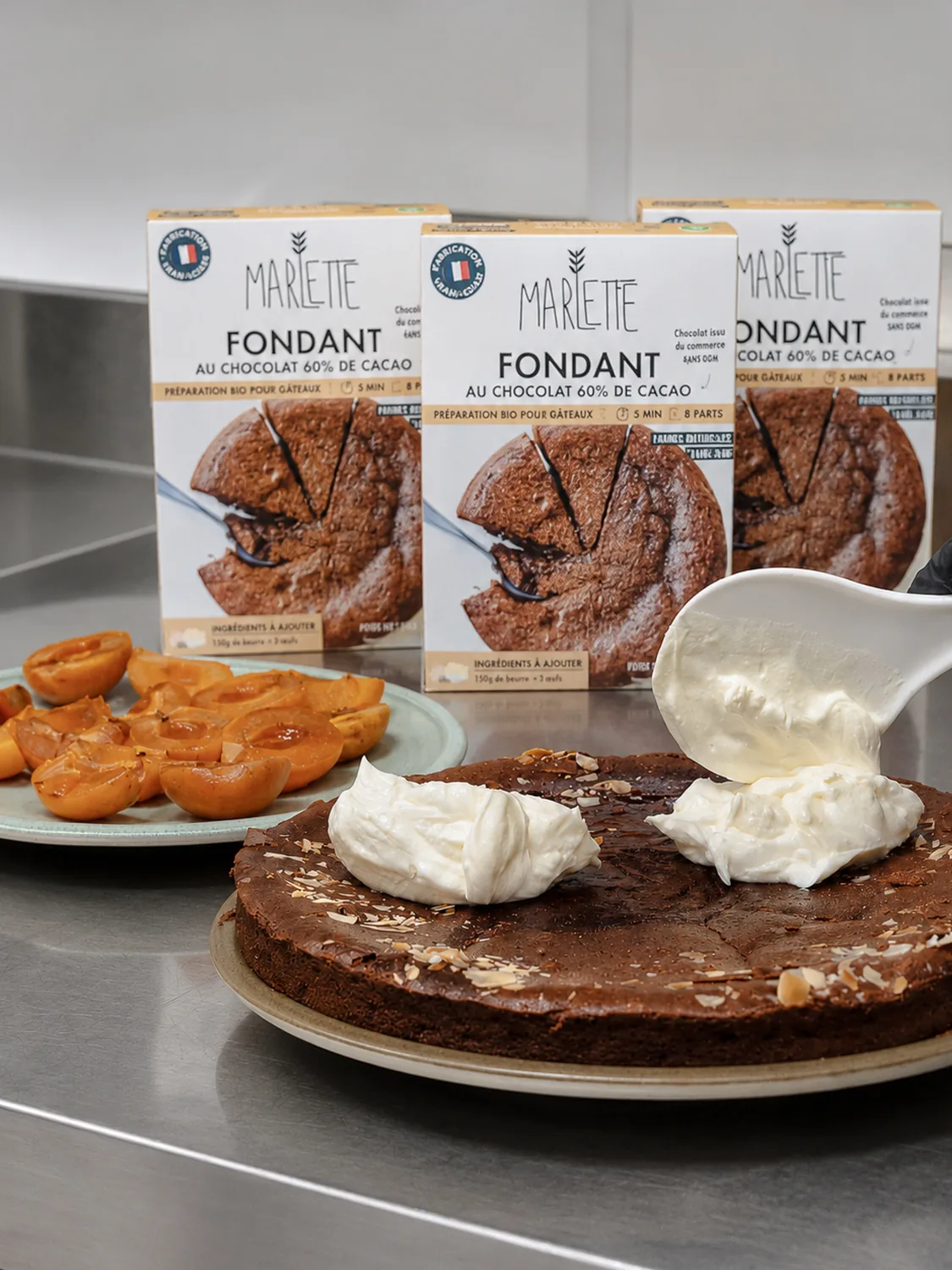
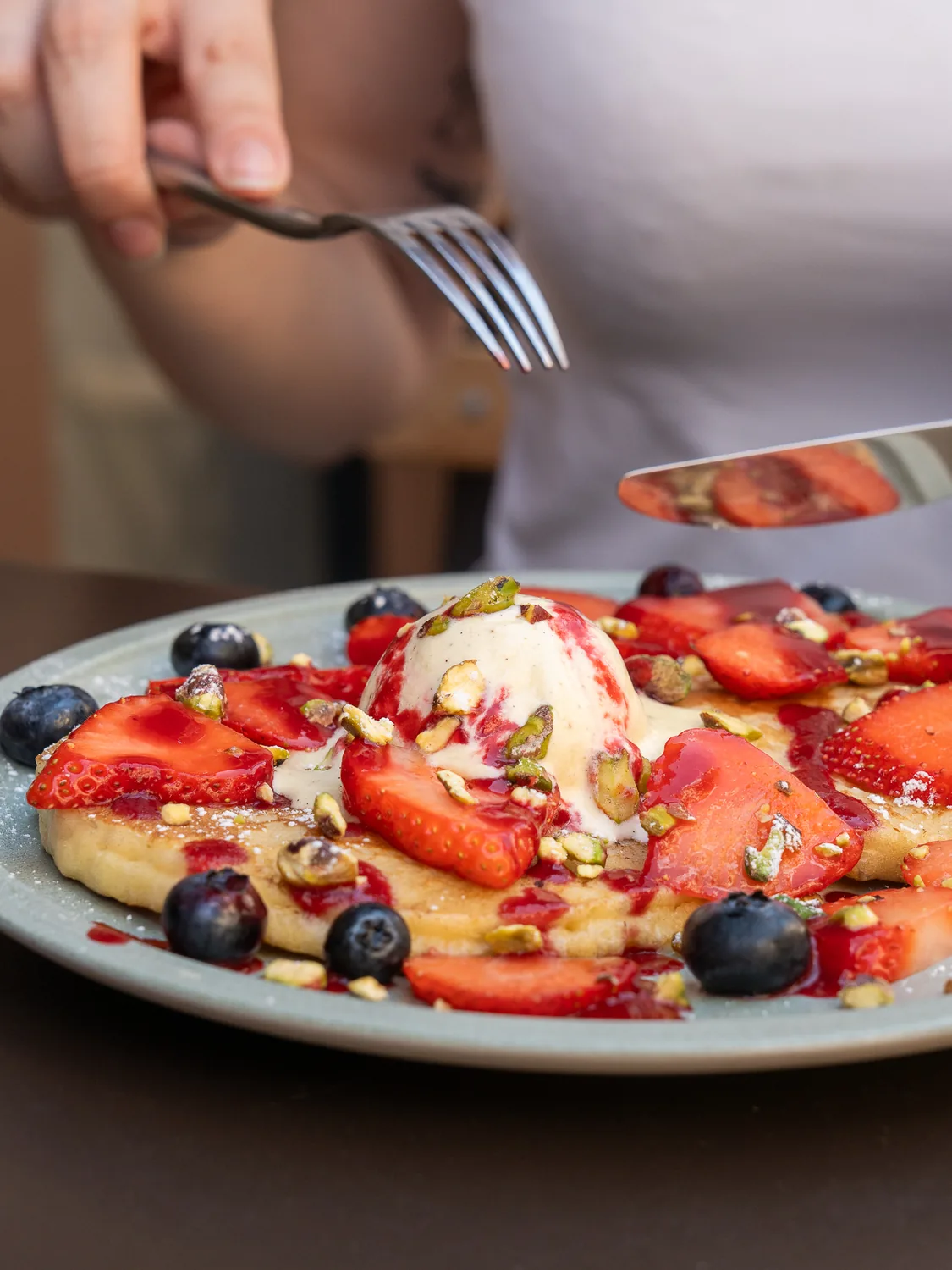
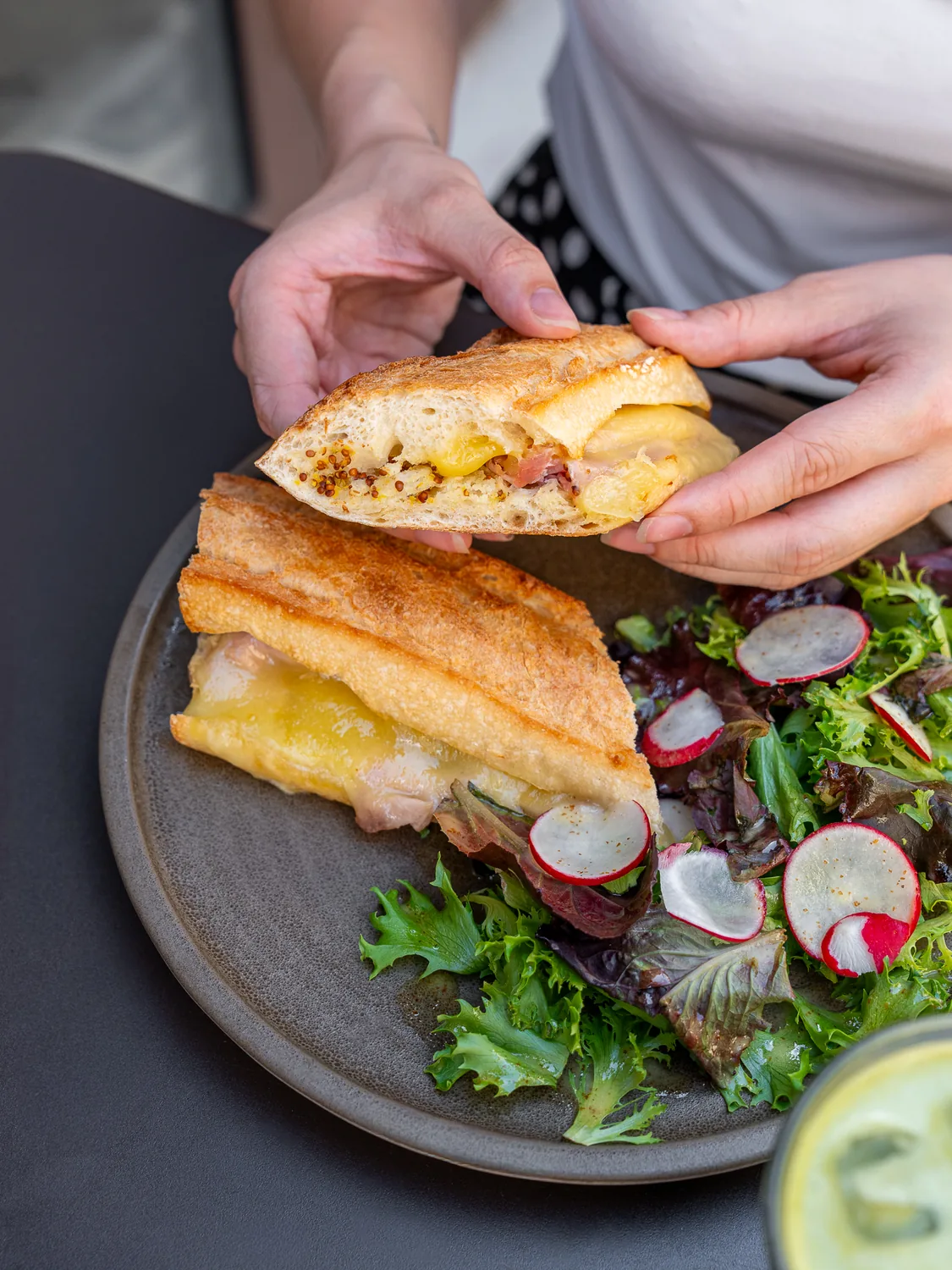
To escape the tourist traps, head down rue des Abbesses. Marlette, at 45 rue des Abbesses, breaks the rhythm. An artisan coffee shop, a slow-coffee philosophy, homemade organic pastry mixes. You push the door open for a cappuccino, a chocolate-sesame cookie, a Sunday brunch. The place draws in locals, weekend couples, groups of friends. No reservations in the morning or at lunch: you just come by and see if there’s a table. From 3pm to 6pm, groups can book at reservation@marlette.fr. The atmosphere breathes: natural light, wooden tables, warm service. A place to settle into without watching the clock, between two climbs up the Butte. More gourmet inspiration around Paris continues this search for authentic places, away from the noise.
Bakeries and artisan pastry shops
On rue Lepic, the bakery Grenier à Pain makes its bread with natural sourdough. Thin tarts, flaky croissants, traditional baking upheld. Lines form on Saturday mornings. On rue des Abbesses, Arnaud Delmontel offers award-winning pastries: pain aux raisins, apple turnovers, soft brioche. Locals come here for their daily bread. Fair prices, consistent quality.
Fine pastry shops hide here too. Sébastien Gaudard, on rue des Martyrs, showcases his creations: a reinvented saint-honoré, lemon meringue tart, chocolate entremets. An upscale address, for a Sunday dessert. You come for the flawless finish, the precise flavor, the attention to detail.
Night bars and evening atmosphere
Montmartre changes face at night. Tourists head back down, locals come out. Le Divan du Monde, on boulevard de Clichy, hosts rock concerts, electro nights, cultural events. A 450-seat venue, decent acoustics, rock atmosphere. La Cigale, on the same street, offers a broader lineup: French chanson, international pop, comedy. Two legendary venues of nighttime Paris.
For a drink, the bars on rue des Trois-Frères and rue des Abbesses draw in the night owls. Le Sancerre, at the corner of rue des Abbesses, serves natural wines and charcuterie boards. Le Verre Volé, further down, pushes an organic wine list. Relaxed atmosphere, zinc counter, conversations that drag on. Montmartre keeps that village feel, where you run into neighbors at the bar.
Montmartre off the beaten path: lesser-known corners
The Montmartre cemetery, a haven of peace
On avenue Rachel, the Montmartre cemetery spreads over 11 hectares of graves, shaded paths, and chapels. Less well-known than Père-Lachaise, it holds the graves of Dalida, François Truffaut, Stendhal, Hector Berlioz, and Henri-Georges Clouzot. The paths wind between the sections, cats wander about, crows caw. No crowds, no noise. An unexpected place for a walk, where people come seeking calm rather than famous graves.
The tombs tell a story: 19th-century bourgeois families, 20th-century artists, neo-Gothic monuments, neo-classical chapels. The Caulaincourt bridge spans the cemetery, creating an unusual perspective. It’s reached through several entrances: avenue Rachel, rue Caulaincourt, rue Joseph-de-Maistre. Opening hours: 8am to 6pm on weekdays, 8:30am on Saturdays, 9am on Sundays.
Rue Saint-Vincent and its village atmosphere
Rue Saint-Vincent runs alongside the cemetery, borders the Clos Montmartre, and slopes down toward rue Caulaincourt. Cobbled, narrow, it keeps a provincial feel. The cabaret Au Lapin Agile, at number 22, has existed since 1860. Renoir, Picasso, Apollinaire used to spend their evenings there. Today, it offers French chanson performances, recited poetry, bistro atmosphere. Admission fee applies, booking recommended, a crowd of connoisseurs.
Across the way, the small place Constantin-Pecqueur opens up a breath of space. Trees, benches, a view over the rooftops. You settle in with a book, a sandwich, or nothing at all. The neighborhood breathes far from the Sacré-Cœur. The façades keep their faded colors, wooden shutters lean, wisteria climbs. A Montmartre that resists the postcard image.
Square Marcel-Bleustein-Blanchet and the Château des Brouillards
On allée des Brouillards, a private path leads to the Château des Brouillards. An 18th-century building, hidden behind the trees, privately owned. You can’t visit it, but you can glimpse the façade from square Marcel-Bleustein-Blanchet. This square, laid out in 2006, offers an open lawn, benches facing the château, play areas for children. Few tourists, plenty of locals. The place keeps a certain secrecy, like an insider’s spot known only to Montmartre residents.
The château once housed Gérard de Nerval in the 19th century. Local legend has it that the mists (brouillards) rising from a nearby spring gave it its name. Today, the building holds private apartments. You approach it for the atmosphere, the dense vegetation, the unusual calm right in the middle of Paris.
Frequently asked questions
What’s the best time of year to visit Montmartre?
Spring and autumn offer a good compromise: pleasant temperatures, soft light, fewer crowds than in summer. Weekday mornings, before 10am, let you enjoy the Sacré-Cœur and place du Tertre without tourists. Winter brings low light, quieter streets, but also cold on the staircases. Best to avoid July and August in the afternoon if you’re looking for calm.
How do you get to Montmartre by public transport?
Metro line 12, Abbesses station (art nouveau exit) or Lamarck-Caulaincourt. Metro line 2, Anvers station, then a walk uphill or the funicular toward the Sacré-Cœur. Metro line 2, Blanche station, for access to the Moulin Rouge and rue Lepic. The Montmartrobus, a loop line, serves the neighborhood’s key spots from Pigalle. Buses 80, 30, and 54 also run through the area.
Can you visit Montmartre with children?
Children enjoy the staircases, the side streets, the windmills. Square Louise-Michel offers a lawn and play equipment. The Musée de Montmartre runs educational workshops. Cafés like Marlette welcome families without any pressure. Watch out for steep climbs with strollers: better to use the funicular or the Montmartrobus. Young children tire quickly on the uneven cobblestones. Plan for breaks and snacks.
Do you need to book for brunch in Montmartre?
Most tourist-oriented addresses don’t take reservations. At Marlette, there are no reservations in the morning or at lunch: you just come by and see if there’s a table. From 3pm to 6pm, groups can book at reservation@marlette.fr. For higher-end restaurants, booking is recommended on weekends. Arriving early (9am to 9:30am) guarantees a table without waiting.
How much time do you need to visit Montmartre?
Half a day covers the essentials: Sacré-Cœur, place du Tertre, rue Lepic, a walk past the windmills. A full day allows time to add museums, a stroll through hidden side streets, a coffee break, the cemetery. Two days open up a deeper exploration: artists’ studios, evening shows, visits to the more secluded squares. Montmartre lends itself to leisurely wandering: better to plan generously than rush from one point to another.
What souvenirs should you bring back from Montmartre?
Artisan shops sell retro posters, vintage postcards, books on the neighborhood’s history. Art galleries offer lithographs, engravings, works by local creators. Bakeries let you bring home bread and pastries (best eaten the same day). Marlette’s organic pastry mixes (cookies, fondants, brownies) keep for several days. Skip the plastic souvenirs made in China: favor handmade and local.