



Cover photo: @lapuertaontheroad
We push open the door at 1pm, looking for an open table. The sun cuts rectangles of light across the wooden floor. Around us, colorful plates circulate: red quinoa, mashed avocado, homemade hummus, fresh arugula. Veggie lunch in Paris is no longer a compromise, it’s a delicious, varied choice, rooted in the rhythm of the seasons. Gone are the sad salads tucked away at the back of the menu. Now we talk about balanced bowls, well-mastered plant proteins, sauces that highlight vegetables rather than drown them.
Marlette, with its two locations on rue des Martyrs and rue des Abbesses, offers seasonal dishes every midday where vegetables take center stage. No loud ecological statements, just taste, texture, and freshness prepared in the morning. What follows isn’t a ranking or a manifesto. It’s a stroll through Parisian veggie plates at lunch, to find out where to eat when you want well-made plant-based food, a midday meal that keeps you going without weighing down your afternoon.
🥗 The balanced bowl: how to put together your veggie lunch plate
The four pillars of a veggie lunch that keeps you going
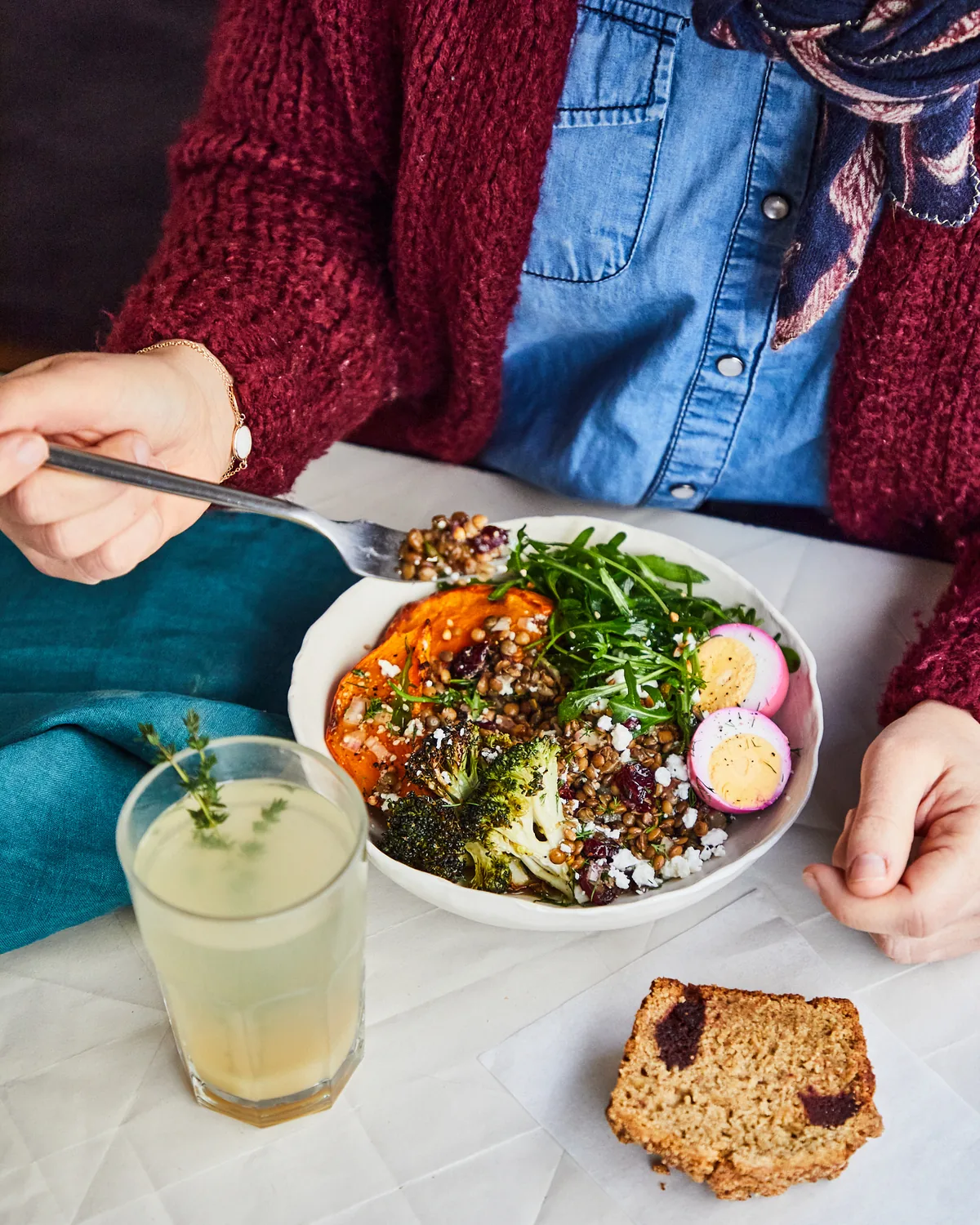
A successful veggie bowl at lunch rests on a simple structure: a base of whole grains (rice, quinoa, spelt), a source of plant protein (lentils, chickpeas, tofu), raw or roasted seasonal vegetables, and a sauce that ties everything together without altering its character. Nothing revolutionary. Just a nutritional logic that has worked for centuries in kitchens around the world, from Indian dal to Californian buddha bowls.
At Marlette, the midday plates follow this same structure. You’ll find, for example, whole grain rice served with roasted seasonal vegetables, avocado mashed to order, sometimes scrambled eggs for those who want them. There’s no fixed menu: it evolves with deliveries and the team’s inspiration. Homemade hummus, often present, brings that creamy texture sometimes missing from 100% plant-based plates.
✅ Key takeaway
A balanced veggie lunch combines whole grains, plant protein, seasonal vegetables and a homemade sauce. This structure guarantees satiety and energy for the afternoon, with no energy crash at 3pm.
The common mistakes that turn veggie into a frustrating meal
First trap: the monochrome plate. Arugula, cucumber, avocado, zucchini, everything is green, everything has the same soft texture. You end up feeling like you just ate air. To avoid this, vary both colors AND textures: something crunchy (radish, red cabbage), something soft (roasted squash, eggplant), something creamy (chickpea purée, tahini).
Second mistake: neglecting protein. A mixed salad with no lentils, no tofu, no egg is mathematically insufficient to hold you until evening. Your body starts craving food around 5pm, and you end up snacking on whatever’s around. Parisian restaurants that offer a serious veggie lunch understand this: they double the portion of legumes or add roasted pumpkin seeds, cashews, marinated tempeh.
| ✅ This works | ❌ This doesn’t |
|---|---|
| • Quinoa + chickpeas + roasted squash + tahini • Whole grain rice + beluga lentils + steamed vegetables + soy-ginger sauce • Spelt + grilled tofu + broccoli + cashew purée |
• Green salad alone, without protein or starch • 100% raw bowl in winter (hard to digest, not filling enough) • Too much store-bought sauce that drowns out the flavor of the vegetables |
🌱 Where to have a veggie lunch in Paris: mapping seasonal plates
The neighborhoods with the best concentration of veggie spots
The 9th and 18th arrondissements bring together a high density of places where a veggie lunch is designed as a genuine offering, not a plan B. On rue des Martyrs, a historic hub of neighborhood life, you’ll find several spots that work vegetables according to the seasons. Marlette opened its first café there in 2014, at 51 rue des Martyrs. Every midday, the place serves seasonal dishes where vegetables take center stage, accompanied by whole grains and plant proteins depending on the day.
In the Abbesses area, in the Montmartre neighborhood, the spirit is similar. Marlette opened a second location there in 2025, at 45 rue des Abbesses. You’ll find the same philosophy: plates composed according to deliveries, no standardized menu. The veggie lunch isn’t labeled as such there, it’s simply what naturally comes out of a kitchen that favors seasonal produce and homemade preparations.
💡 Our tip
To broaden your list of veggie spots in Paris, check out our selection of Parisian restaurants where seasonal vegetables are treated with the same care as meat or fish.
Le Marais and the 11th arrondissement also gather many veggie spots, often run by young teams who grew up with plant-based food as the norm, not the exception. You’ll find bowls influenced by cuisines from around the world, Lebanese, Indian, Japanese, where legumes and whole grains have always been staples, long before the Parisian healthy food trend.
What sets a touristy veggie spot apart from a regulars’ place
A veggie restaurant favored by regulars doesn’t shout its stance on every available surface. No need for a neon pink We are vegan sign. The menu speaks for itself: three daily specials that change weekly, clearly identified seasonal vegetables (parsnip, cauliflower, chioggia beet), homemade preparations mentioned without fanfare. The server knows where the produce comes from and answers without checking a card.
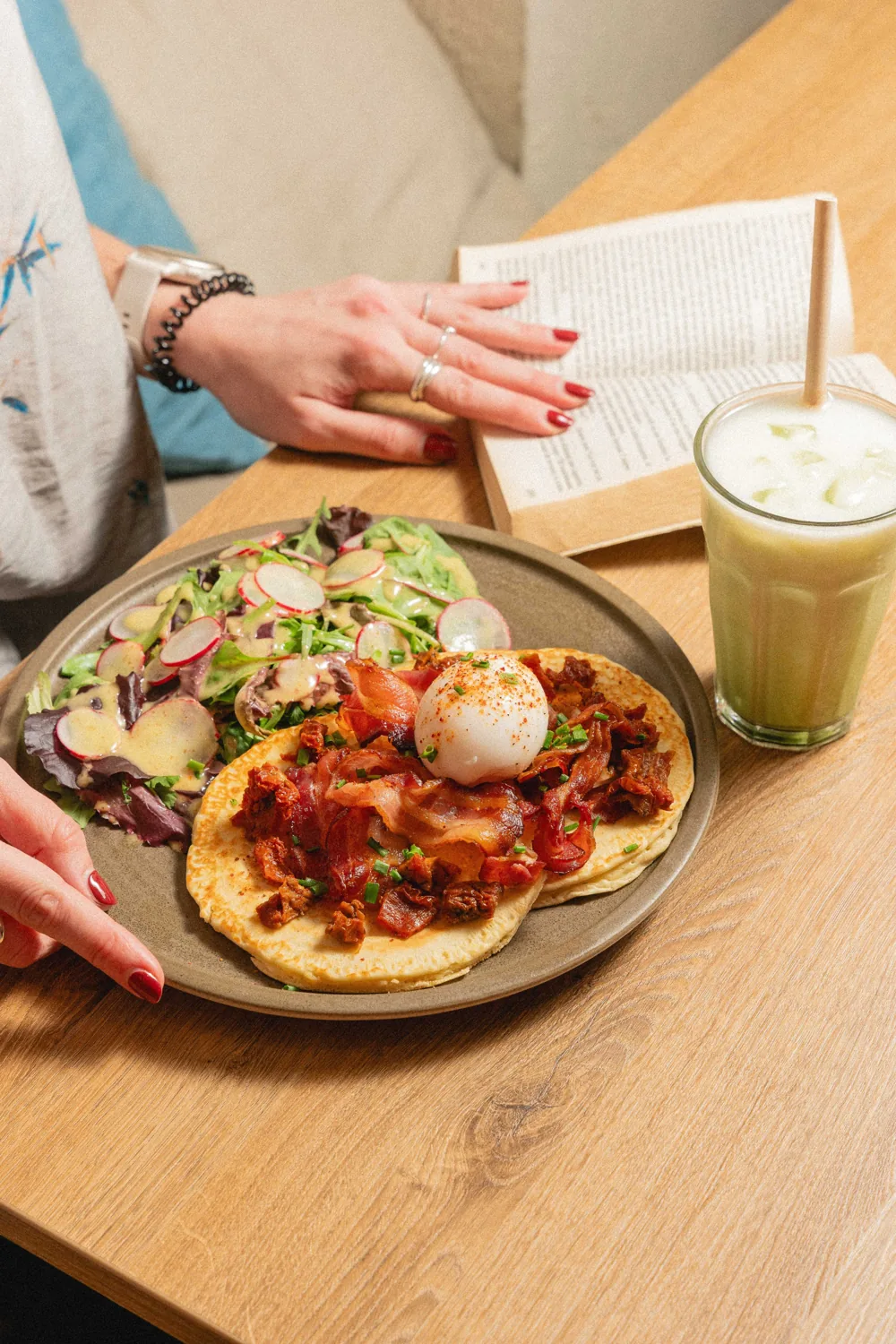
Regulars’ spots can also be spotted by their midday crowd: lots of neighborhood people, coming alone with a book or in pairs for a quick lunch. Few tourist groups photographing their plate from three angles. At Marlette, on rue des Martyrs as much as in Abbesses, you can see this profile: local employees who stop by during the week, neighbors who know the team by their first names, a loyal clientele that keeps coming back because the cooking is consistent, not showy.
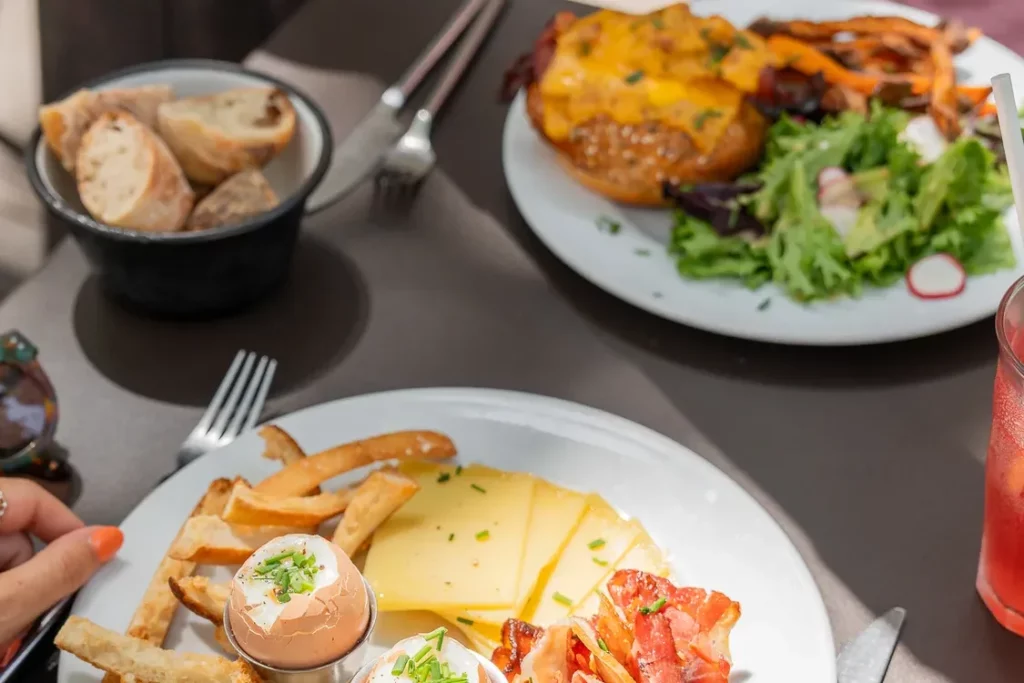
Another clue: the flexibility of the menu. A good veggie spot lets you add an egg, some cheese, whole grain bread, without it being treated as a transgression. At Marlette, seasonal dishes can be topped with scrambled eggs or soft-boiled eggs. Plant-based food is central, but not dogmatic. To explore other Parisian addresses that share this flexibility, take a look at our page dedicated to the city’s coffee shops and restaurants.
A successful veggie lunch can be measured by the proportion of locals: if they keep coming back, it’s because the kitchen delivers day after day.
Well-sourced seasonal vegetables have a different taste. A menu that specifies the origin of the products (even briefly) inspires confidence.
A daily special that truly changes every week signals a kitchen that adapts to deliveries, not a menu photocopied three years ago.
🍽️ Veggie lunch through the seasons: what changes on the plate
Winter and spring: roots, cabbages and first sprouts
In winter, Parisian veggie lunches are built around root vegetables. Parsnips roasted with honey, braised multicolored carrots, raw grated beets with a cumin vinaigrette. Cabbages in all their forms: kale massaged with olive oil, whole roasted cauliflower with tahini, raw red cabbage in a crunchy salad. These vegetables have character, they hold up on the plate, they don’t wilt the moment you touch them with a fork.
Lentils naturally take center stage: warm Puy green lentil salad, creamy red lentil dal, beluga lentils with mild curry. They bring the density that summer salads can’t offer. The same logic applies to grains: spelt, roasted buckwheat, whole grain rice are favored over quick, flavorless versions.
In spring, green asparagus arrives, followed by fresh peas, tender fava beans, peppery arugula. The veggie lunch gets lighter without losing substance. You start to see plates where vegetables are just blanched, served warm with a drizzle of walnut oil and a handful of fresh herbs. No need to cook them for hours: their taste speaks for itself.
Summer and autumn: vibrant tomatoes and generous squashes
Summer transforms the Parisian veggie lunch. Tomatoes take the lead: heirloom tomatoes in a simple salad with basil and fleur de sel, chilled gazpacho, roasted cherry tomatoes that concentrate their sweetness. Zucchini comes grilled, marinated, or in raw ribbons. Eggplant takes over Mediterranean bowls: eggplant caviar, miso-grilled eggplant, plant-based moussaka.
Mixed salads finally become interesting. Not the plastic-wrapped supermarket salads, the real ones, where you recognize every ingredient. Arugula, wild arugula, mesclun, watercress: the leaves have flavor. They’re paired with seasonal fruit (peaches, figs, melon), fresh cheese if you’re not staying 100% plant-based, and toasted seeds for crunch.
Autumn marks the return of squash. Butternut squash roasted with a touch of maple syrup, thick pumpkin velouté, gratinated spaghetti squash. Button mushrooms give way to porcini, chanterelles, and black trumpet mushrooms when the season allows. An autumn veggie lunch can be built entirely around sautéed mushrooms with fresh pasta, a drizzle of olive oil, flat-leaf parsley, and nothing else.
The menu changes every month, sometimes every week. We don’t serve squash in July or tomatoes in January. It’s a constraint that liberates: it forces you to rediscover vegetables at the moment they taste best.
Principle of seasonal cooking in Paris
☕ Pairing your veggie lunch: drinks and desserts
The drinks that complement a plant-based plate
A veggie lunch calls for drinks that follow the same logic: freshness, identifiable ingredients, no unnecessary added sugar. Juices freshly pressed to order remain a classic: carrot-ginger, apple-celery, beet-orange. They provide vitamins without weighing down digestion, as long as you don’t overdo it, a large glass of fruit juice remains calorie-dense, even when homemade.
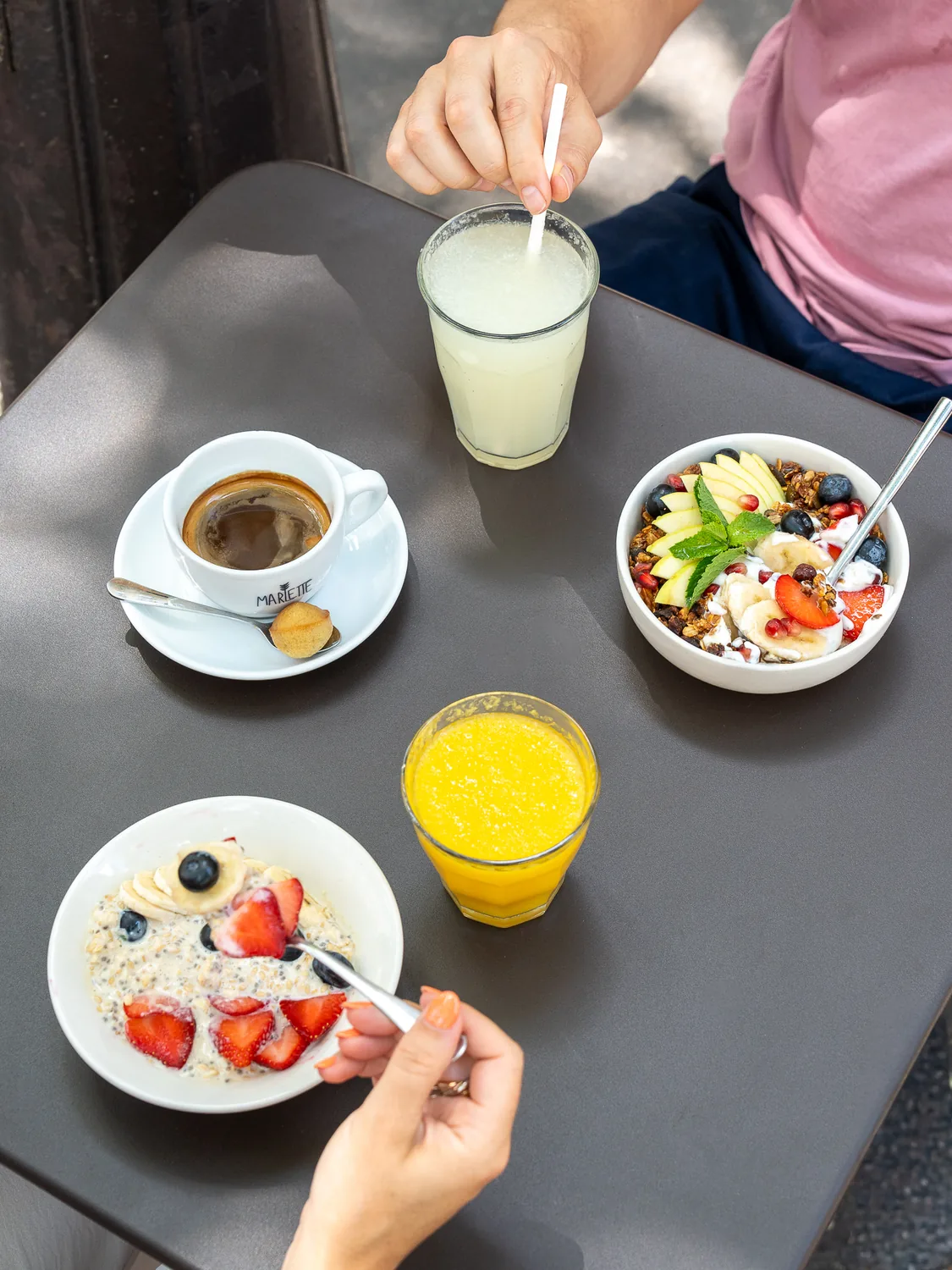
At Marlette, midday drinks include options like Matcha latte, Chai latte or Ube latte. These preparations made with milk (or plant-based milk on request) offer an alternative to classic coffee, with a comforting touch that pairs well with a light meal. Specialty coffee remains central: cappuccino, latte, flat white prepared with beans sourced from small partner roasters.
Sparkling water with a slice of lemon or a few fresh mint leaves is often all you need. No need to overcomplicate things. In winter, a green tea or plain rooibos pairs well with a plate of root vegetables without overpowering their flavors. In summer, a homemade lemonade or cold-brewed iced tea extends the freshness of the meal.
Ending on a sweet note without straying from plant-based eating
Veggie lunch desserts fall into two categories: those that embrace raw fruit (seasonal fruit salad, homemade compote, oven-roasted fruit), and those that reinvent classic pastry in a plant-based version. At Marlette, the pastry preparations are organic and homemade: chocolate chip and sesame cookies, chocolate fondant with a melting fleur de sel center from Île de Ré, pecan brownie, plain scones or bacon-cheese scones (savory version).
These preparations aren’t all 100% plant-based, some contain eggs or milk, but they carry the spirit of the meal: simple ingredients, well-mastered recipes, honest flavor. For a strictly veggie dessert, an apple-cinnamon compote or homemade granola with plant-based yogurt (soy, almond, coconut) works very well.
No need to look for store-bought cakes labeled vegan with fifteen additives to replace eggs. A square of 70% dark chocolate with a coffee ends a lunch just as effectively as a slice of raw cashew cheesecake. Fewer ingredients, more pleasure.
💡 Our tip
If you’re torn between several dessert options, favor those with a short, readable ingredient list. A good dessert, veggie or not, can be recognized by its simplicity: flour, sugar, chocolate, possibly plant-based milk, and that’s it.
Frequently Asked Questions
Where can you find a balanced veggie lunch in the 9th arrondissement of Paris?
The 9th arrondissement, particularly around rue des Martyrs, is home to several spots offering seasonal veggie plates. Marlette, at 51 rue des Martyrs, serves seasonal dishes every lunchtime, composed of seasonal vegetables, whole grains and plant-based proteins depending on deliveries. The menu changes regularly, ensuring fresh produce and homemade preparations. Other cafés and restaurants in the neighborhood follow the same logic: favoring seasonal vegetables rather than sticking to a fixed menu.
How do you put together a veggie bowl that really keeps you going until evening?
A satisfying veggie bowl rests on four pillars: a base of whole grains (brown rice, quinoa, spelt), a generous portion of plant-based protein (lentils, chickpeas, tofu), roasted or raw seasonal vegetables for texture and vitamins, and a homemade sauce that ties everything together without drowning out the flavors. Avoid plates made up only of green leaves and raw vegetables, which leave you feeling hungry two hours later. Always add a source of protein and a whole grain starch to keep blood sugar stable.
Which vegetables should you favor for a veggie lunch in Paris during winter?
In winter, root vegetables and cabbages dominate Parisian veggie plates. Parsnips, carrots, beets and turnips lend themselves well to oven roasting, which concentrates their natural sugars. The different varieties of cabbage (kale, cauliflower, red cabbage, romanesco) add volume and nutrients. Lentils, in all their forms, complement these vegetables to create hearty dishes. Unlike summer salads, these ingredients can handle long cooking times and bold seasoning (cumin, paprika, mild curry).
Is a veggie lunch compatible with an intense afternoon of work?
Yes, as long as the meal is well composed. A balanced veggie lunch avoids the blood sugar spike followed by the classic energy crash caused by meals too rich in fast carbohydrates or saturated fats. Whole grains release their energy gradually, plant-based proteins support concentration, and vegetables provide fiber that regulates digestion. On the other hand, an unbalanced plate (only raw vegetables, or conversely a dish that’s too fatty) can undermine your afternoon. The key is to check for the presence of protein and whole grain starches.
What’s the difference between a touristy veggie restaurant and a regulars’ spot in Paris?
A veggie restaurant favored by regulars can be spotted through several signs: a short menu that changes regularly with the seasons, local customers who come back during the week, prices in line with the quality of the ingredients, and staff who know where the produce comes from without checking a card. Touristy spots tend to rely more on Instagram-worthy décor, menus that stay fixed all year, and heavy messaging around the vegan label. At Marlette, for example, veggie dishes aren’t isolated in a separate section: they’re an integral part of a menu built around seasonal produce, accessible to all types of eaters.
Which drinks pair well with a veggie lunch in Paris?
Freshly pressed juices (carrot-ginger, apple-celery, beet-orange) remain a classic, as long as you don’t overdo it to avoid excess sugar. Plant-based lattes like the Matcha latte, Chai latte or Ube latte offer a comforting alternative to classic coffee. Sparkling water with a slice of lemon or fresh mint leaves pairs well with vegetable plates without overpowering their flavors. In winter, a green tea or plain rooibos works perfectly. The key is to choose drinks that extend the freshness of the meal without altering it.
{“@context”:”https://schema.org”,”@type”:”FAQPage”,”mainEntity”:[{“@type”:”Question”,”name”:”Where can you find a balanced veggie lunch in the 9th arrondissement of Paris?”,”acceptedAnswer”:{“@type”:”Answer”,”text”:”The 9th arrondissement, particularly around rue des Martyrs, is home to several spots offering seasonal veggie plates. Marlette, at 51 rue des Martyrs, serves seasonal dishes every lunchtime, composed of seasonal vegetables, whole grains and plant-based proteins depending on deliveries. The menu changes regularly, ensuring fresh produce and homemade preparations. Other cafés and restaurants in the neighborhood follow the same logic: favoring seasonal vegetables rather than sticking to a fixed menu.”}},{“@type”:”Question”,”name”:”How do you put together a veggie bowl that really keeps you going until evening?”,”acceptedAnswer”:{“@type”:”Answer”,”text”:”A satisfying veggie bowl rests on four pillars: a base of whole grains (brown rice, quinoa, spelt), a generous portion of plant-based protein (lentils, chickpeas, tofu), roasted or raw seasonal vegetables for texture and vitamins, and a homemade sauce that ties everything together without drowning out the flavors. Avoid plates made up only of green leaves and raw vegetables, which leave you feeling hungry two hours later. Always add a source of protein and a whole grain starch to keep blood sugar stable.”}},{“@type”:”Question”,”name”:”Which vegetables should you favor for a veggie lunch in Paris during winter?”,”acceptedAnswer”:{“@type”:”Answer”,”text”:”In winter, root vegetables and cabbages dominate Parisian veggie plates. Parsnips, carrots, beets and turnips lend themselves well to oven roasting, which concentrates their natural sugars. The different varieties of cabbage (kale, cauliflower, red cabbage, romanesco) add volume and nutrients. Lentils, in all their forms, complement these vegetables to create hearty dishes. Unlike summer salads, these ingredients can handle long cooking times and bold seasoning (cumin, paprika, mild curry).”}},{“@type”:”Question”,”name”:”Is a veggie lunch compatible with an intense afternoon of work?”,”acceptedAnswer”:{“@type”:”Answer”,”text”:”Yes, as long as the meal is well composed. A balanced veggie lunch avoids the blood sugar spike followed by the classic energy crash caused by meals too rich in fast carbohydrates or saturated fats. Whole grains release their energy gradually, plant-based proteins support concentration, and vegetables provide fiber that regulates digestion. On the other hand, an unbalanced plate (only raw vegetables, or conversely a dish that’s too fatty) can undermine your afternoon. The key is to check for the presence of protein and whole grain starches.”}},{“@type”:”Question”,”name”:”What’s the difference between a touristy veggie restaurant and a regulars’ spot in Paris?”,”acceptedAnswer”:{“@type”:”Answer”,”text”:”A veggie restaurant favored by regulars can be spotted through several signs: a short menu that changes regularly with the seasons, local customers who come back during the week, prices in line with the quality of the ingredients, and staff who know where the produce comes from without checking a card. Touristy spots tend to rely more on Instagram-worthy décor, menus that stay fixed all year, and heavy messaging around the vegan label. At Marlette, for example, veggie dishes aren’t isolated in a separate section: they’re an integral part of a menu built around seasonal produce, accessible to all types of eaters.”}},{“@type”:”Question”,”name”:”Which drinks pair well with a veggie lunch in Paris?”,”acceptedAnswer”:{“@type”:”Answer”,”text”:”Freshly pressed juices (carrot-ginger, apple-celery, beet-orange) remain a classic, as long as you don’t overdo it to avoid excess sugar. Plant-based lattes like the Matcha latte, Chai latte or Ube latte offer a comforting alternative to classic coffee. Sparkling water with a slice of lemon or fresh mint leaves pairs well with vegetable plates without overpowering their flavors. In winter, a green tea or plain rooibos works perfectly. The key is to choose drinks that extend the freshness of the meal without altering it. { “@context”: “https://schema.org”, “@type”: “FAQPage”, “mainEntity”: [ { “@type”: “Question”, “name”: “Where can you find a balanced veggie lunch in the 9th arrondissement of Paris?”, “acceptedAnswer”: { “@type”: “Answer”, “text”: “The 9th arrondissement, particularly around rue des Martyrs, is home to several spots offering seasonal veggie plates. Marlette, at 51 rue des Martyrs, serves seasonal dishes every lunchtime, composed of seasonal vegetables, whole grains and plant-based proteins depending on deliveries. The menu changes regularly, ensuring fresh produce and homemade preparations. Other cafés and restaurants in the neighborhood follow the same logic: favoring seasonal vegetables rather than sticking to a fixed menu.” } }, { “@type”: “Question”, “name”: “How do you put together a veggie bowl that really keeps you going until evening?”, “acceptedAnswer”: { “@type”: “Answer”, “text”: “A satisfying veggie bowl rests on four pillars: a base of whole grains (brown rice, quinoa, spelt), a generous portion of plant-based protein (lentils, chickpeas, tofu), roasted or raw seasonal vegetables for texture and vitamins, and a homemade sauce that ties everything together without drowning out the flavors. Avoid plates made up only of green leaves and raw vegetables, which leave you feeling hungry two hours later. Always add a source of protein and a whole grain starch to keep blood sugar stable.” } }, { “@type”: “Question”, “name”: “Which vegetables should you favor for a veggie lunch in Paris during winter?”, “acceptedAnswer”: { “@type”: “Answer”, “text”: “In winter, root vegetables and cabbages dominate Parisian veggie plates. Parsnips, carrots, beets and turnips lend themselves well to oven roasting, which concentrates their natural sugars. The different varieties of cabbage (kale, cauliflower, red cabbage, romanesco) add volume and nutrients. Lentils, in all their forms, complement these vegetables to create hearty dishes. Unlike summer salads, these ingredients can handle long cooking times and bold seasoning (cumin, paprika, mild curry).” } }, { “@type”: “Question”, “name”: “Is a veggie lunch compatible with an intense afternoon of work?”, “acceptedAnswer”: { “@type”: “Answer”, “text”: “Yes, as long as the meal is well composed. A balanced veggie lunch avoids the blood sugar spike followed by the classic energy crash caused by meals too rich in fast carbohydrates or saturated fats. Whole grains release their energy gradually, plant-based proteins support concentration, and vegetables provide fiber that regulates digestion. On the other hand, an unbalanced plate (only raw vegetables, or conversely a dish that’s too fatty) can undermine your afternoon. The key is to check for the presence of protein and whole grain starches.” } }, { “@type”: “Question”, “name”: “What’s the difference between a touristy veggie restaurant and a regulars’ spot in Paris?”, “acceptedAnswer”: { “@type”: “Answer”, “text”: “A veggie restaurant favored by regulars can be spotted through several signs: a short menu that changes regularly with the seasons, local customers who come back during the week, prices in line with the quality of the ingredients, and staff who know where the produce comes from without checking a card. Touristy spots tend to rely more on Instagram-worthy décor, menus that stay fixed all year, and heavy messaging around the vegan label. At Marlette, for example, veggie dishes aren’t isolated in a separate section: they’re an integral part of a menu built around seasonal produce, accessible to all types of eaters.” } }, { “@type”: “Question”, “name”: “Which drinks pair well with a veggie lunch in Paris?”, “acceptedAnswer”: { “@type”: “Answer”, “text”: “Freshly pressed juices (carrot-ginger, apple-celery, beet-orange) remain a classic, as long as you don’t overdo it to avoid excess sugar. Plant-based lattes like the Matcha latte, Chai latte or Ube latte offer a comforting alternative to classic coffee. Sparkling water with a slice of lemon or fresh mint leaves pairs well with vegetable plates without overpowering their flavors. In winter, a green tea or plain rooibos works perfectly. The key is to choose drinks that extend the freshness of the meal without altering it.” } } ] }”}}]}