

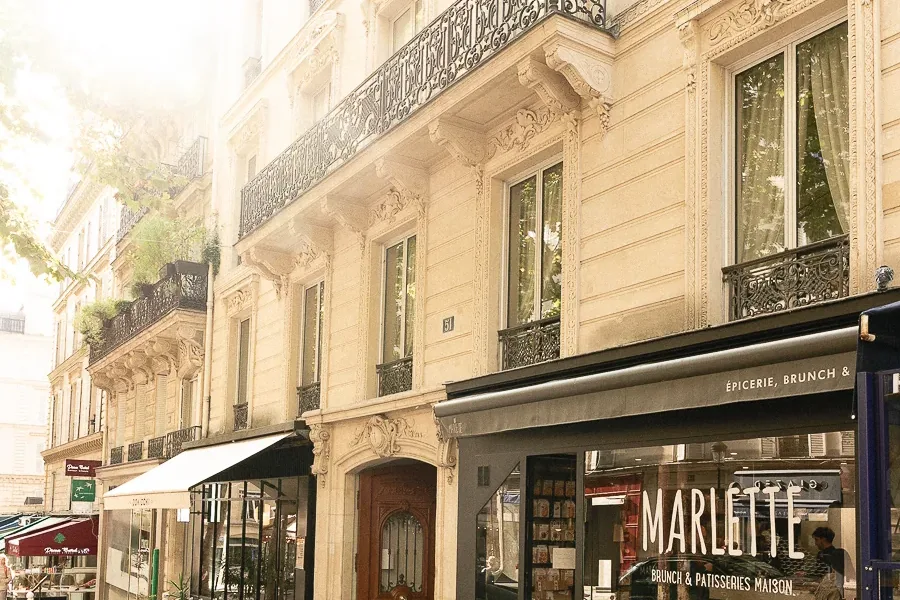
The 9th arrondissement has never had the quietly bourgeois look that people sometimes attribute to it. Its streets climb gently toward Pigalle, that former cabaret district turned territory of specialty coffee shops, demanding roasters, and addresses where you set your bag down without watching the clock. Between rue des Martyrs and place Saint-Georges, between SoPi and the edges of Montmartre, you’ll find counters that roast their own beans, terraces where the cappuccino smells of something other than burnt milk, and coffee shops where the neighborhood locals know the waitress by her first name.
Here’s a walk through the addresses that have made the 9th a far more interesting coffee territory than a Nespresso menu. No must-sees or buzzing hotspots, just places where the coffee is good, the service is human, and a seat at the counter is a rare commodity on Saturday morning.
Why the 9th became a coffee neighborhood

The 9th hasn’t always been a haunt for tattooed baristas. Ten years ago, rue des Martyrs still looked like a classic shopping street, with traditional bakeries and zinc-counter bistros. Then the first roasters set up their espresso machines, the artisanal coffee shops opened one by one, and the neighborhood transformed without losing its vertical-village soul.
Rue des Martyrs, the backbone of Parisian coffee
Rue des Martyrs climbs from Nouvelle Athènes up to Montmartre. On this slope, you’ll now find a density of specialty coffee shops that no other Parisian street can claim. Roasters opened their workshops, coffee shops followed, and locals got into the habit of stopping to pick up their ground coffee in the morning before catching the metro.
What characterizes this street is the mix. You’ll come across addresses that roast on site, others that serve coffee from a shady partner, places where you brunch on Sunday and tiny counters where you drink standing up. No uniformity. Just a concentration of places where coffee isn’t treated as an excuse to sell cake.
Pigalle and SoPi: from nightlife to coffee
Pigalle was long the neighborhood of red neon lights and smoky clubs. Today, the facades are being renovated, coffee shops are opening next to sex shops, and terraces fill up with MacBooks in the morning. SoPi (South of Pigalle) has become the marketing name for this shift, but the neighborhood remains uneven, mixed, not yet smoothed over by developers.
Cafes found their place here because rent was still affordable five years ago, and because locals were looking for daytime addresses to balance out the nighttime image. The result: coffee shops set up in former narrow shops, with raw wood counters and Italian espresso machines humming all day long.
The addresses that take coffee seriously
The 9th has no shortage of cafes. But not all of them roast their own beans, choose their origin, or adjust their grind every morning. Here are the addresses where coffee isn’t an afterthought.
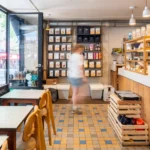
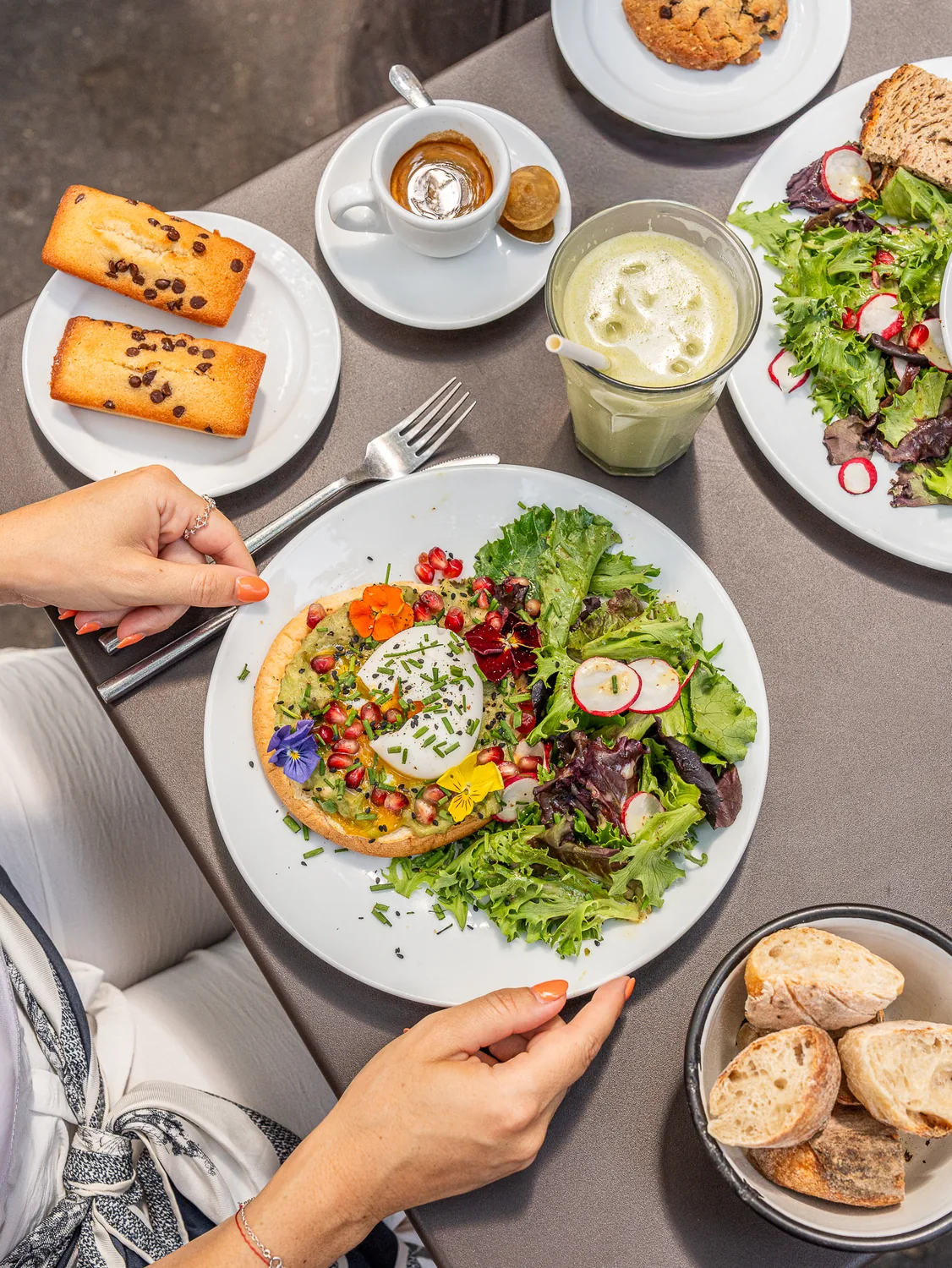
- Marlette51 rue des Martyrs. A coffee shop opened in 2014, one of the first addresses in the neighborhood to offer real specialty coffee without any fuss. People come for the cappuccino, the flat white, the alternative lattes (Ube, Matcha, Chai), and to brunch on Sunday without a reservation. Neighborhood atmosphere, human service, sought-after terrace. No laptops between 11:30am and 2:30pm or on weekends. Marlette’s two addresses in Paris embody this philosophy of coffee as a place to slow down.
- Café Lomi3ter rue Marcadet (18th, but a stone’s throw from the 9th). A historic roaster, impeccable espresso machines, barista training, and a small room where you can drink the coffee you buy as beans. Not a coffee shop in the classic sense, more of a workshop open to the public.
- KB CaféShop53 avenue Trudaine. Specialty coffee, weekend brunch, a fresh juice menu, and a local clientele that camps out on the terrace as soon as the sun comes out. Quick service, relaxed atmosphere, no fuss.
- Café Craft24 rue des Vinaigriers (10th, but bordering the 9th). Artisanal roaster, beans sold by weight, option to drink on site. The place smells of freshly roasted coffee, and the baristas explain their method without condescension.
- Hexagone Café121 rue du Faubourg Poissonnière. A small, discreet coffee shop, specialty coffee, homemade pastries, neighborhood atmosphere. People come here to work in the morning or grab a standing espresso before heading off.
These addresses share one thing in common: they don’t treat coffee as a generic product. The beans are chosen, the grind is adjusted, and the barista knows what they’re serving.
The terraces to claim a spot on Saturday morning
The 9th isn’t an arrondissement of grand Haussmannian terraces. The sidewalks are narrow, the streets are sloped, and space is scarce. But a few addresses have managed to set up tables outside, and these terraces become contested territory as soon as the weather allows.
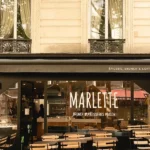
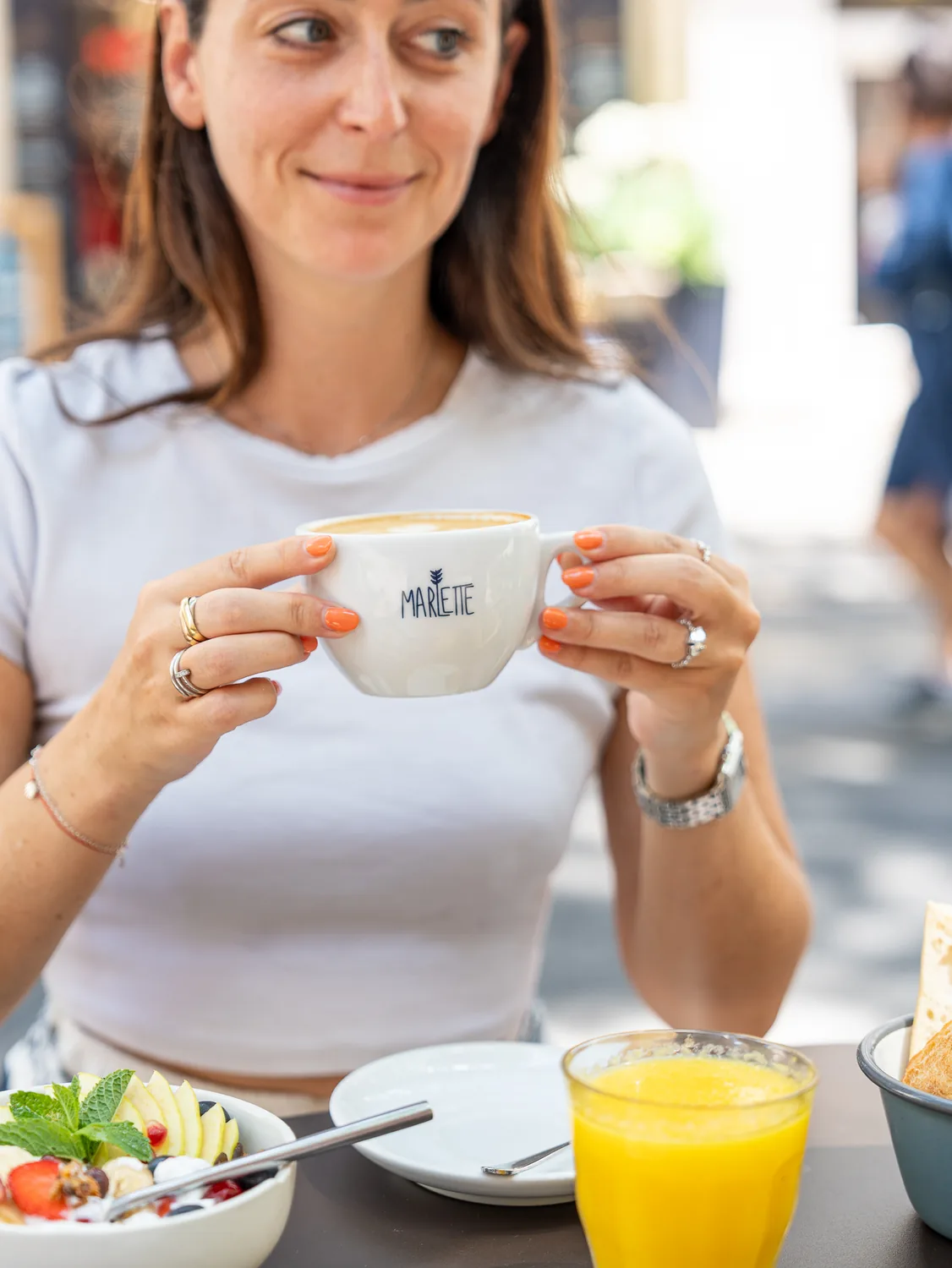
Marlette, on rue des Martyrs, has one of those terraces where you watch the whole neighborhood go by. No branded parasols or plastic chairs, just wooden tables and a view of the climb toward Montmartre. On Saturday morning, finding a seat without patience is impossible. Regulars know this, arrive early, and stay until hunger pushes them toward brunch.
KB CaféShop, on avenue Trudaine, benefits from a wider sidewalk. Its terrace is more spacious, less intimate, but remains popular for its south-facing orientation. You’ll see groups of friends, couples reading the paper, and professionals having informal meetings.
Place Saint-Georges offers a few traditional café terraces, but none have really shifted toward specialty coffee. You’ll get a decent espresso there, not a calibrated flat white. These addresses remain useful when you just want a seat in the sun without any particular demands on the origin of the beans.
Brunching in the 9th without a reservation
Brunch has become a Parisian ritual. The 9th is home to several addresses where you can brunch on weekends without having booked three days in advance. That means accepting a wait, or coming early.
Marlette applies a simple rule: no reservations during brunch hours. You show up, see if there’s a seat, wait if necessary. This approach can be frustrating, but it preserves the spontaneous spirit of Sunday morning. The menu mixes savory and sweet, with scrambled eggs, avocado toasts, pancakes (only on rue des Abbesses in the 18th), and homemade pastries. Note: only the pastry preparations sold in bags are organic, the dishes served in the café are not.
KB CaféShop also offers weekend brunch, with a shorter but efficient menu: eggs, salads, open sandwiches, homemade pastries. Here too, no reservations, you come and try your luck.
The neighborhood’s more traditional addresses (zinc-counter bistros, brasseries) often accept reservations, but they don’t serve the same kind of brunch. You’ll find classic sets, bread with butter and jam, industrial croissants, reheated filter coffee. Cheaper, less refined.
For a broader view of the best places to brunch in Paris, this selection of cafes and coffee shops covers several arrondissements and styles of cuisine.
Places to work for an hour or two
The 9th attracts professionals looking for a temporary office, just for a break. Wifi, power outlets, spaced-out tables: some addresses check these boxes, others don’t.
Marlette allows laptops outside of peak hours (not between 11:30am and 2:30pm, nor on weekends). The rest of the time, you can set your laptop down, order a coffee, and work quietly. The atmosphere stays calm, the tables are spaced enough that you won’t overhear the conversation next to you, and the wifi works.
Hexagone Café, on rue du Faubourg Poissonnière, is also suitable for a short work session. Small space, a few tables, decent coffee, and a clientele that comes for the same reason. No team meetings or video calls, just a place to type on your keyboard without disturbing anyone.
KB CaféShop tolerates laptops, but the space is noisier, more lively. You’ll work less well there than you’ll brunch. Best reserved for simple tasks (answering emails, reading documents), not writing a report.
The municipal libraries of the 9th (Chaptal library, La Fayette library) offer a free and quiet alternative. No coffee, but wide tables and real concentration.
Where to buy whole bean coffee in the neighborhood
The 9th is home to several roasters who sell their coffee as whole beans. Handy for those who make their coffee at home and are looking for something other than aluminum capsules.
Café Lomi (3ter rue Marcadet, bordering the 18th) roasts on site and sells its beans by weight. You’ll find several origins, often rotating, with descriptive sheets for each batch. The staff explains the flavor profiles without incomprehensible jargon.
Café Craft (24 rue des Vinaigriers, bordering the 10th) works on the same model: artisanal roasting, bean sales, technical advice. Prices are in the upper-average range of the market (25 to 35 euros per kilo depending on origin), but the quality justifies the gap with supermarket brands.
Some coffee shops in the 9th resell their suppliers’ beans. KB CaféShop, for example, offers bags from its partner roaster. Handy if you want to recreate the taste of the cappuccino you just drank.
Big chains (Starbucks, Columbus Café) also sell whole bean coffee, but the flavor profile is nothing alike. These beans are roasted for mass consumption, with standardized and unremarkable profiles.
Mistakes to avoid when looking for good coffee in the 9th
The 9th is full of quality addresses, but also classic pitfalls. A few habits can help avoid disappointment.
- Don’t confuse a coffee shop with a tea room. Tea rooms often serve reheated filter coffee, with UHT milk and sugar packets. A coffee shop worthy of the name offers an elaborate coffee menu: espresso, cappuccino, flat white, latte, and sometimes pour-over methods (V60, Chemex).
- Avoid addresses that display ten different specialties on their window (brunch, bubble tea, poke bowl, smoothies, pastries, daily specials). A menu that’s too broad often signals industrial cooking and mediocre coffee. The good addresses focus on a few well-mastered preparations.
- Be wary of permanently packed terraces. A full terrace isn’t always a sign of quality, sometimes it’s just a matter of location. The best addresses often have quiet moments, and that’s precisely when you’ll find a seat.
- Don’t judge a cafe by its decor. Exposed brick walls and filament bulbs guarantee nothing. A good cafe is recognized by its espresso machine (Italian or Swiss brand, well maintained), the presence of an adjustable coffee grinder, and the skill of the barista.
- Ask questions. A barista who knows their craft can explain the origin of the beans, the roast profile, and the extraction method. A server who answers “it’s just coffee” doesn’t work in a coffee shop.
The best hours and days to go
The 9th lives at the rhythm of its local residents. The addresses adapt to this rhythm, and knowing the right time slots changes the experience.
On weekday mornings (8am-10am), coffee shops run at full capacity. You’ll see professionals buying coffee to go, locals having breakfast before heading to work, and a few early tourists. This is when you’ll find the freshest pastries, but also the least seating available.
On weekend mornings (9am-1pm), it’s brunch time. Finding a free table without waiting is impossible, especially at the popular addresses. Come before 9:30am or accept waiting, no other option.
Weekday afternoons (3pm-5pm) are the calmest time slot. The rooms breathe, you can settle in to work or read without being rushed, and service is often more attentive. At Marlette, this is also the only time slot when reservations are possible (upon request at reservation@marlette.fr), particularly for groups, book clubs, or team meetings.
On Sunday evenings, many addresses close early (6pm or 7pm). The 9th isn’t a nightlife neighborhood, once brunch is digested, the shutters come down.
Frequently asked questions
Where can you find the best cappuccino in the 9th arrondissement?
Marlette (51 rue des Martyrs) and KB CaféShop (53 avenue Trudaine) are renowned for the quality of their specialty coffee. Both addresses use Italian espresso machines, adjust their grind daily, and employ trained baristas. The cappuccino is prepared with textured milk (not dry foam), and the coffee comes from selected roasters. Café Lomi (3ter rue Marcadet, bordering the 18th) is also a reference for demanding enthusiasts.
Can you brunch in the 9th without a reservation?
Yes, several addresses don’t take reservations during brunch hours, notably Marlette and KB CaféShop. You need to come early (before 9:30am) or accept waiting. Marlette accepts reservations only from 3pm to 6pm, outside of brunch hours. For groups or special occasions, you can write to reservation@marlette.fr to arrange a partial private booking on rue des Martyrs.
Where can you buy quality whole bean coffee in the neighborhood?
Café Lomi (3ter rue Marcadet) and Café Craft (24 rue des Vinaigriers, 10th) roast on site and sell their beans by weight. You’ll find several origins in rotation, with descriptive sheets and brewing advice. Prices range between 25 and 35 euros per kilo. Some coffee shops like KB CaféShop also resell bags from their partner roaster.
Can you work on a laptop in the cafes of the 9th?
It depends on the address and the time slot. Marlette allows laptops outside of peak hours (not between 11:30am and 2:30pm, nor on weekends). Hexagone Café and KB CaféShop also tolerate laptops, but the space can be noisy during busy hours. The municipal libraries of the 9th (Chaptal, La Fayette) offer a free and quiet alternative for longer work sessions.
What are the best hours to go to find a seat?
Weekday afternoons, between 3pm and 5pm, are the calmest time slot. The rooms are less crowded, you can settle in without waiting, and service is often more available. Weekday mornings (8am-10am) and weekends (9am-1pm) are the busiest times. To brunch on Sunday without stress, come before 9:30am or accept waiting.
Is the coffee served in the 9th organic?
No, the specialty coffee served in the coffee shops of the 9th is generally not organic. Roasters prioritize traceability, bean quality, and growing methods, but the organic label isn’t systematic. At Marlette, only the pastry preparations sold in bags are organic, the coffee, the dishes served in the café, and the pastries served in the dining room are not. The selling point rests on flavor quality and bean origin, not on organic certification.
{“@context”:”https://schema.org”,”@type”:”FAQPage”,”mainEntity”:[{“@type”:”Question”,”name”:”Where can you find the best cappuccino in the 9th arrondissement?”,”acceptedAnswer”:{“@type”:”Answer”,”text”:”Marlette (51 rue des Martyrs) and KB CaféShop (53 avenue Trudaine) are renowned for the quality of their specialty coffee. Both addresses use Italian espresso machines, adjust their grind daily, and employ trained baristas. The cappuccino is prepared with textured milk (not dry foam), and the coffee comes from selected roasters. Café Lomi (3ter rue Marcadet, bordering the 18th) is also a reference for demanding enthusiasts.”}},{“@type”:”Question”,”name”:”Can you brunch in the 9th without a reservation?”,”acceptedAnswer”:{“@type”:”Answer”,”text”:”Yes, several addresses don’t take reservations during brunch hours, notably Marlette and KB CaféShop. You need to come early (before 9:30am) or accept waiting. Marlette accepts reservations only from 3pm to 6pm, outside of brunch hours. For groups or special occasions, you can write to reservation@marlette.fr to arrange a partial private booking on rue des Martyrs.”}},{“@type”:”Question”,”name”:”Where can you buy quality whole bean coffee in the neighborhood?”,”acceptedAnswer”:{“@type”:”Answer”,”text”:”Café Lomi (3ter rue Marcadet) and Café Craft (24 rue des Vinaigriers, 10th) roast on site and sell their beans by weight. You’ll find several origins in rotation, with descriptive sheets and brewing advice. Prices range between 25 and 35 euros per kilo. Some coffee shops like KB CaféShop also resell bags from their partner roaster.”}},{“@type”:”Question”,”name”:”Can you work on a laptop in the cafes of the 9th?”,”acceptedAnswer”:{“@type”:”Answer”,”text”:”It depends on the address and the time slot. Marlette allows laptops outside of peak hours (not between 11:30am and 2:30pm, nor on weekends). Hexagone Café and KB CaféShop also tolerate laptops, but the space can be noisy during busy hours. The municipal libraries of the 9th (Chaptal, La Fayette) offer a free and quiet alternative for longer work sessions.”}},{“@type”:”Question”,”name”:”What are the best hours to go to find a seat?”,”acceptedAnswer”:{“@type”:”Answer”,”text”:”Weekday afternoons, between 3pm and 5pm, are the calmest time slot. The rooms are less crowded, you can settle in without waiting, and service is often more available. Weekday mornings (8am-10am) and weekends (9am-1pm) are the busiest times. To brunch on Sunday without stress, come before 9:30am or accept waiting.”}},{“@type”:”Question”,”name”:”Is the coffee served in the 9th organic?”,”acceptedAnswer”:{“@type”:”Answer”,”text”:”No, the specialty coffee served in the coffee shops of the 9th is generally not organic. Roasters prioritize traceability, bean quality, and growing methods, but the organic label isn’t systematic. At Marlette, only the pastry preparations sold in bags are organic, the coffee, the dishes served in the café, and the pastries served in the dining room are not. The selling point rests on flavor quality and bean origin, not on organic certification. { “@context”: “https://schema.org”, “@type”: “FAQPage”, “mainEntity”: [ { “@type”: “Question”, “name”: “Where can you find the best cappuccino in the 9th arrondissement?”, “acceptedAnswer”: { “@type”: “Answer”, “text”: “Marlette (51 rue des Martyrs) and KB CaféShop (53 avenue Trudaine) are renowned for the quality of their specialty coffee. Both addresses use Italian espresso machines, adjust their grind daily, and employ trained baristas. The cappuccino is prepared with textured milk (not dry foam), and the coffee comes from selected roasters. Café Lomi (3ter rue Marcadet, bordering the 18th) is also a reference for demanding enthusiasts.” } }, { “@type”: “Question”, “name”: “Can you brunch in the 9th without a reservation?”, “acceptedAnswer”: { “@type”: “Answer”, “text”: “Yes, several addresses don’t take reservations during brunch hours, notably Marlette and KB CaféShop. You need to come early (before 9:30am) or accept waiting. Marlette accepts reservations only from 3pm to 6pm, outside of brunch hours. For groups or special occasions, you can write to reservation@marlette.fr to arrange a partial private booking on rue des Martyrs.” } }, { “@type”: “Question”, “name”: “Where can you buy quality whole bean coffee in the neighborhood?”, “acceptedAnswer”: { “@type”: “Answer”, “text”: “Café Lomi (3ter rue Marcadet) and Café Craft (24 rue des Vinaigriers, 10th) roast on site and sell their beans by weight. You’ll find several origins in rotation, with descriptive sheets and brewing advice. Prices range between 25 and 35 euros per kilo. Some coffee shops like KB CaféShop also resell bags from their partner roaster.” } }, { “@type”: “Question”, “name”: “Can you work on a laptop in the cafes of the 9th?”, “acceptedAnswer”: { “@type”: “Answer”, “text”: “It depends on the address and the time slot. Marlette allows laptops outside of peak hours (not between 11:30am and 2:30pm, nor on weekends). Hexagone Café and KB CaféShop also tolerate laptops, but the space can be noisy during busy hours. The municipal libraries of the 9th (Chaptal, La Fayette) offer a free and quiet alternative for longer work sessions.” } }, { “@type”: “Question”, “name”: “What are the best hours to go to find a seat?”, “acceptedAnswer”: { “@type”: “Answer”, “text”: “Weekday afternoons, between 3pm and 5pm, are the calmest time slot. The rooms are less crowded, you can settle in without waiting, and service is often more available. Weekday mornings (8am-10am) and weekends (9am-1pm) are the busiest times. To brunch on Sunday without stress, come before 9:30am or accept waiting.” } }, { “@type”: “Question”, “name”: “Is the coffee served in the 9th organic?”, “acceptedAnswer”: { “@type”: “Answer”, “text”: “No, the specialty coffee served in the coffee shops of the 9th is generally not organic. Roasters prioritize traceability, bean quality, and growing methods, but the organic label isn’t systematic. At Marlette, only the pastry preparations sold in bags are organic, the coffee, the dishes served in the café, and the pastries served in the dining room are not. The selling point rests on flavor quality and bean origin, not on organic certification.” } } ] }”}}]}