

Cover photo: @lapuertaontheroad
In the morning, when the air gets a bit sharp and the terraces fill up with coats, we look for one specific thing: a hot drink that does more than warm you up. Something a little spicy, a little sweet, with character. Chai latte, that blend of black tea, spices, and frothed milk, is one of those autumn-winter rituals we wait all year for. Cardamom, cinnamon, ginger: there’s that first sip that wakes you up without being harsh, that wraps around you without putting you to sleep.
In Paris, some cafés have made these seasonal lattes their signature. Not the pre-dosed powder stuff: real infusion that takes its time, spices you can actually taste, milk you get to choose. We went to find out where to drink a chai worthy of the name, a golden latte that lives up to its turmeric promise, a pumpkin spice that doesn’t just taste of sugar. Here are our addresses, tested cup in hand.
🍂 Classic chai latte: where to find it in Paris
What makes a good chai (spoiler: not the powder)
A chai latte is above all a black tea base infused with spices: green cardamom, cinnamon, fresh ginger, cloves, black pepper, sometimes star anise or fennel. It’s heated with milk (cow, oat, almond), frothed, and poured. The traditional Indian version, masala chai, is prepared by boiling tea and spices directly in sweetened milk. In the West, coffee shops have adapted the recipe: infusion made separately, milk steamed, resulting in a milder drink.
What sets a good chai apart from a bad one? The quality of the infusion. Chains often use syrups or pre-mixed powders, where sugar dominates and the spices ring false. The real addresses infuse their own blend, either buying an artisanal concentrate or preparing their own masala mix in-house. You can tell by the smell: it smells fresh, not chemical. And on the palate, you can distinguish each spice, rather than just a vague “sweet cinnamon” flavour.
💡 Our tip
Ask whether the chai is homemade or made from a concentrate. Good concentrates (like Grasshopper or Dona Chai) are far better than some sloppy homemade preparations. What matters: no powder.
Marlette: the Abbesses-style chai
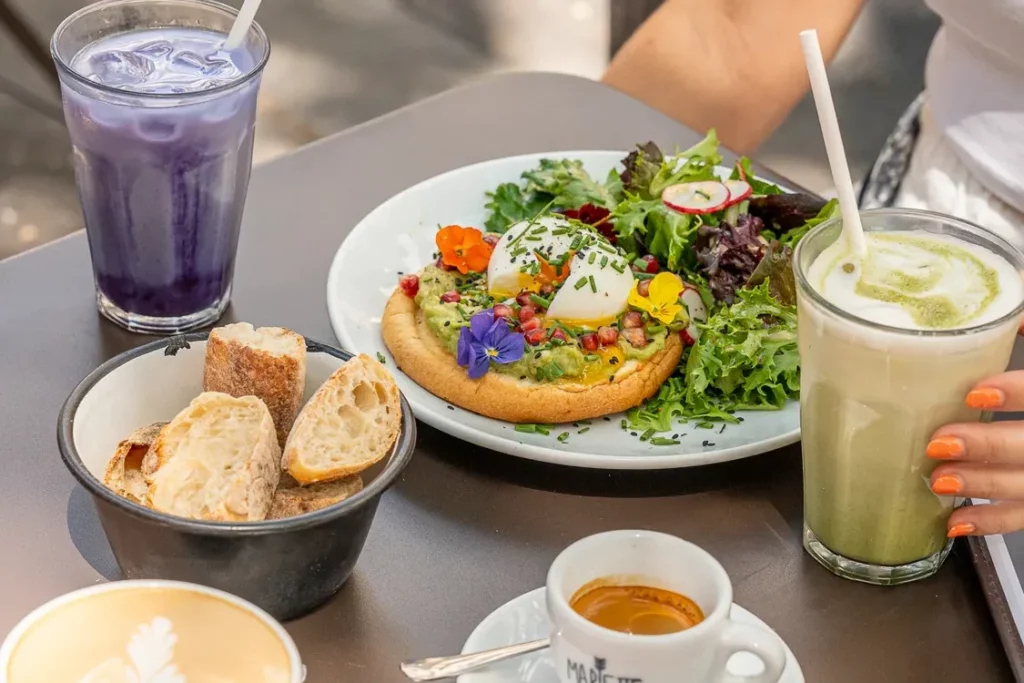
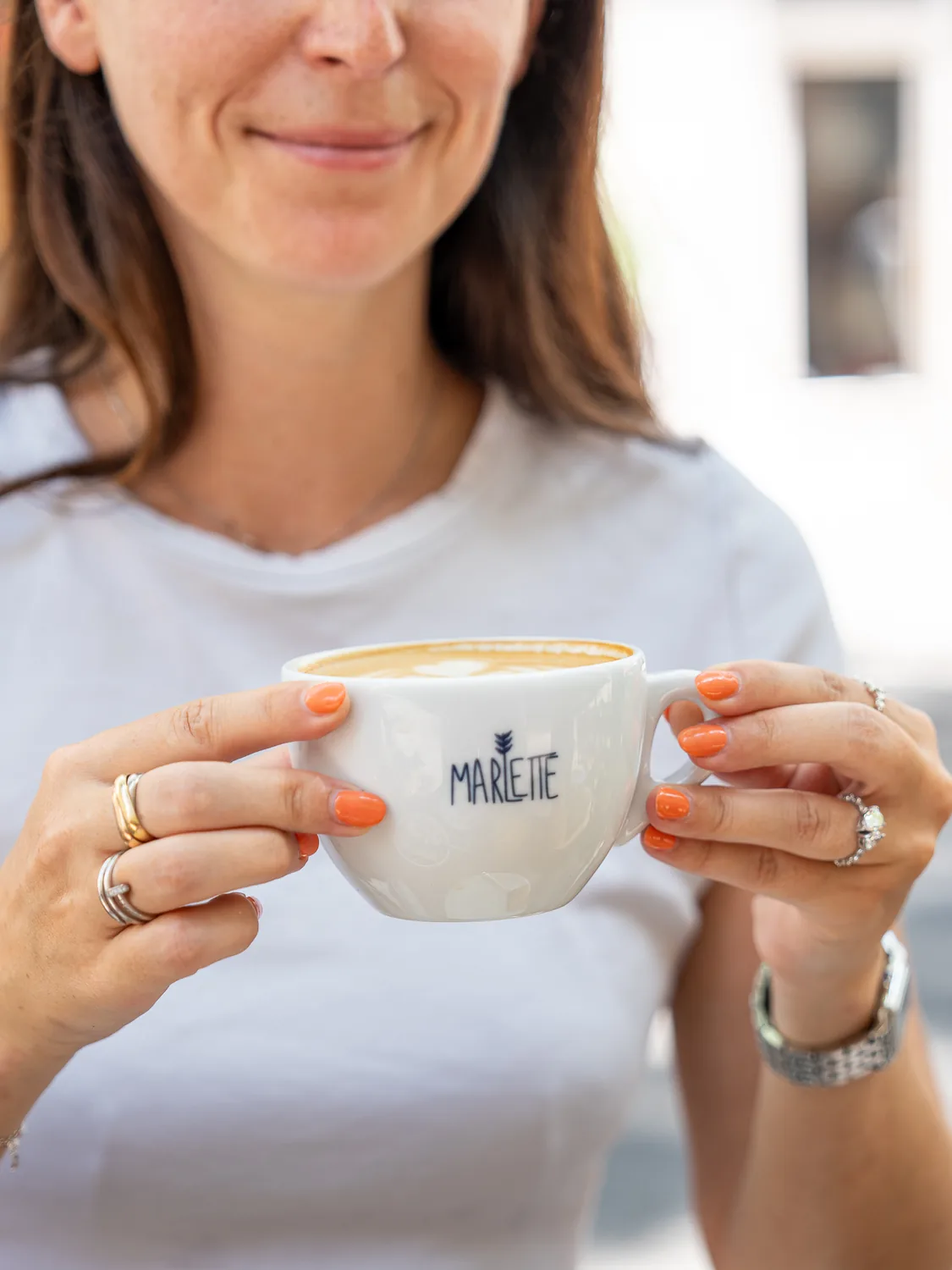
At Marlette, the chai latte is prepared from a carefully selected artisanal concentrate. No industrial syrup, no shortcuts. The team steams the milk (cow, oat, or almond, your choice), doses the concentrate, and adjusts the foam. What stands out: the balance. The ginger has just the right kick, the cardamom stays present without being overwhelming, the milk softens things without drowning out the spices.
The atmosphere matters too. At Abbesses as well as on rue des Martyrs, you settle into that late-morning light falling on the wooden tables, watch Montmartre go by through the window, and don’t need to pretend you’re in a hurry. Here, chai is the perfect excuse for a 20-minute break where nobody asks anything of you. Regulars of the neighbourhood know it well: it’s their Thursday afternoon or Saturday morning ritual.
- Addresses: 45 rue des Abbesses, 75018 Paris / 51 rue des Martyrs, 75009 Paris
- Approximate price: around €5
- Bonus: pair it with a homemade cookie (chocolate-sesame chip or chocolate-walnut) for a full break
Other Parisian addresses for a solid chai
Le Broken Arm, in the Marais, makes a well-balanced spiced chai with perfectly frothed oat milk. The space is bright, minimalist, ideal for a shopping break in the area. Café Oberkampf, over in the 11th, bets on a coconut milk chai that surprises: milder, lightly sweet, with a creamy texture. Boot Café, near République, offers a homemade chai infused for 24 hours, resulting in a powerful flavour for those who like intensity.
Honor, on rue du Faubourg Saint-Denis, serves a “dirty” style chai (with an added espresso shot), an unconventional option, but one that works if you like bold combinations. Nuances Coffee, in the 17th, has a house recipe with bourbon vanilla notes, less traditional but very successful. Terres de Café, with several addresses in Paris, guarantees a quality tea base and lets you choose your milk.
☀️ Golden latte, matcha latte: alternatives to chai
Golden latte (or turmeric latte): the other star of autumn
Golden latte is turmeric infused in hot milk, often with ginger, black pepper (to activate the curcumin), cinnamon, and sometimes honey or maple syrup. Bright yellow-orange colour, earthy and slightly bitter taste if badly dosed, comforting if well made. The “turmeric latte” trend came from Australian and Californian coffee shops, riding the “superfood” and wellness wave.
Unlike chai, golden latte contains no theine, so zero energy boost, just a gentle warmth. It’s often drunk in the afternoon, when you no longer want caffeine but still want comfort. The Parisian addresses that get it right add a touch of fresh ginger and a pinch of pepper, so it doesn’t turn into a bland soup. The risk: too much turmeric, and it becomes harsh.
3 spices
minimum in a well-made golden latte: turmeric, ginger, pepper
Where to drink a golden latte in Paris
Wild & The Moon (several addresses: Marais, Montorgueil, Batignolles) is the Parisian reference for wellness lattes. Their golden latte is prepared with homemade almond milk, fresh turmeric, ginger, a touch of cinnamon and black pepper. Balanced result, not too sweet, silky texture. The atmosphere is unapologetically healthy: white marble counter, natural light, customers in post-yoga class outfits.
Jaj (rue Réaumur, 2nd arrondissement) offers an organic golden latte, with maple syrup or honey as an option. The house roasts its own coffee and prepares its milk-based drinks with the same care. Generous dose, creamy oat milk, turmeric well present without overpowering. Fragments (rue des Tournelles, 3rd arrondissement) goes for a minimalist version: turmeric, oat milk, a pinch of cinnamon, nothing more. Effective.
Café Pinson, in the Marais, serves a lightly sweetened golden latte with agave syrup and cashew milk, a rarer option, creamy texture. Ten Belles, near canal Saint-Martin, offers a seasonal version with added cardamom, an interesting bridge between golden and chai.
Matcha latte: the Japanese alternative
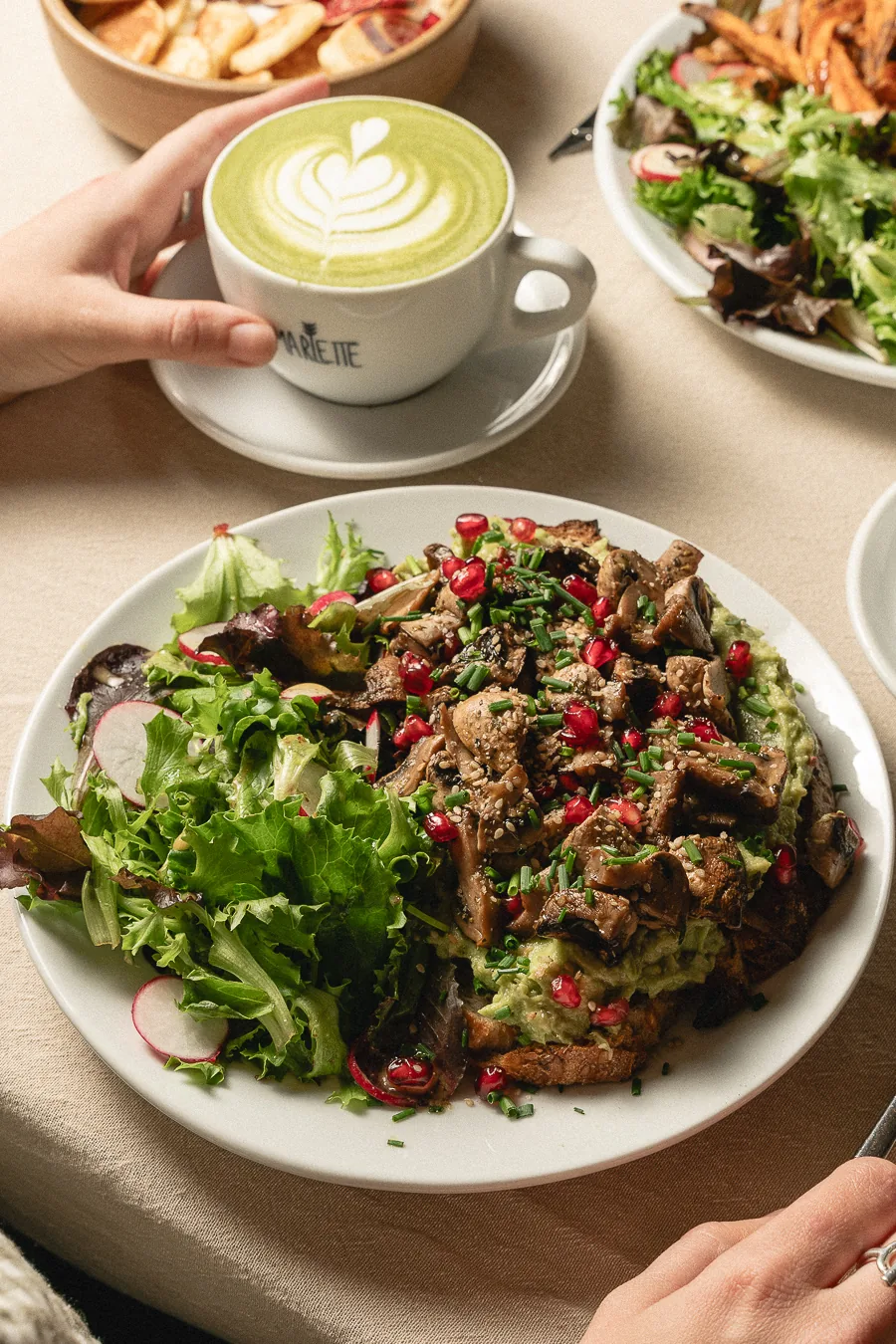
Matcha latte is powdered green tea whisked into hot milk. Less spicy, more vegetal, slightly bitter if the matcha is good quality. It’s drunk for the gentle theine (prolonged effect, no brutal spike like coffee), for the bamboo whisk ritual, for the jade green colour that’s a change from cappuccino. In Paris, Matcha Maiden (rue de Richelieu) and Umami Matcha (rue des Canettes) are the specialists.
Marlette also serves a matcha latte prepared with oat or cow’s milk, frothed to perfection. The matcha comes from a Japanese producer chosen for its finesse, no harsh bitterness, just that herbaceous flavour and velvety texture you’d expect. We recommend it if you’re looking for an alternative to chai without the spices, but with the same idea of a comforting, slightly sophisticated drink.
🎃 Pumpkin spice latte: decoding a seasonal phenomenon
Where did the PSL craze come from?
The pumpkin spice latte (PSL to friends) is a Starbucks invention, launched in 2003 in the United States. A blend of coffee, milk, pumpkin purée (or pumpkin flavouring), cinnamon, nutmeg, ginger, cloves. Instant success, instant cult following. Today, the PSL has become the marketing symbol of American autumn: from September onwards, it takes over menus, social media, memes.
In France, adoption has been slower. There’s no pumpkin pie culture here, pumpkin remains a vegetable associated with soup, not dessert. But over the past few years, Parisian coffee shops have jumped on the trend, often adapting the recipe: less sugar, real butternut or chestnut squash purée, subtler spices. The result? An autumn drink that smells wonderfully of cinnamon, has that mild sweet-savoury edge, and warms without being sickly.
✅ Worth remembering
Traditional pumpkin spice latte rarely contains real pumpkin: it’s a blend of spices (cinnamon, nutmeg, ginger) that evokes the taste of pumpkin pie. Parisian artisanal versions add squash purée for authenticity.
Where to try a PSL in Paris (without crossing the Atlantic)
At KB CaféShop (several addresses: Odéon, Sentier, Marais), the PSL is prepared with homemade chestnut squash purée, oat milk, a shot of espresso, and a homemade spice blend. Creamy texture, lightly sweet, no chemical taste. The team adjusts the recipe every year based on customer feedback, currently they’re going for a less sweet version than the original.
Ob-La-Di (rue de Charonne, 11th arrondissement) offers a “reinvented PSL” with filter coffee, butternut squash purée, coconut milk, and a touch of maple syrup. Milder result, less caffeinated, ideal for the afternoon. Café Craft (Bastille) makes a PSL with hazelnut milk, a bold option, but one that works: the hazelnut amplifies the autumnal notes.
Starbucks, of course, serves the official PSL from early September. Standardised version, very sweet, unapologetically American. If you want to taste the phenomenon in its original form, that’s the place. Otherwise, go for the artisanal addresses that take the time to prepare their own purée and balance the spices.
Making your own chai (or PSL) at home: how to
For a homemade chai latte, you’ll need: 250 ml of milk (cow, oat, almond), 150 ml of water, 1 black tea bag (Assam preferably), 1 cinnamon stick, 4 crushed cardamom pods, 3 slices of fresh ginger, 2 cloves, a pinch of black pepper, honey or brown sugar. Boil the water with the spices for 5 minutes, add the tea and let it infuse for 3 minutes, add the milk, heat without boiling, strain, sweeten. Froth the milk with a whisk or steam wand if you have a machine.
For a pumpkin spice latte: prepare a squash purée (chestnut squash, butternut, or pumpkin), mix 2 tablespoons of purée with 1/2 teaspoon of pumpkin spice mix (cinnamon, nutmeg, ginger, cloves), a shot of espresso, 250 ml of hot frothed milk. Mix the purée well with the coffee before adding the milk to avoid lumps. Add maple syrup or honey to taste.
- Spices to have on hand: green cardamom, cinnamon stick, fresh ginger, cloves, black pepper, nutmeg
- Alternative milks: oat froths best, almond is more neutral, coconut adds an exotic touch
- Sweeteners: honey for chai, maple syrup for PSL, agave syrup for golden latte
🗺️ Map of Parisian neighbourhoods for a good latte
Montmartre & Pigalle: the triangle of good addresses
Between Abbesses, rue des Martyrs, and Pigalle, there’s a rare concentration of serious coffee shops. Marlette (Abbesses and Martyrs), already covered above. Right nearby, on rue Houdon, Soul Kitchen offers an organic chai latte with rice milk, an unusual option, light texture. On rue Lepic, KB CaféShop Montmartre serves its homemade PSL in a vintage setting.
The area is ideal for a coffee-lunch-pastry stroll: start with a chai latte at Marlette, wander down rue des Martyrs, have lunch at Hardware Société (Australian brunch, fluffy pancakes), finish with a slice of cake at Des Gâteaux et du Pain. The kind of Sunday where you don’t watch the clock.
Marais & République: the hipster triangle
The Marais concentrates the trendy addresses: Broken Arm (rue de Turenne), Boot Café (place de la République), Fragments (rue des Tournelles), Wild & The Moon (rue Charlot). You’ll find everything here: classic chai, golden latte, matcha latte, seasonal PSL. The atmosphere is often design-led, bright, Instagrammable, but the quality delivers.
Honor, on rue du Faubourg Saint-Denis, is worth the detour for its “dirty chai” (chai + espresso). Café Oberkampf offers a coconut milk chai that’s a nice change. Jaj, on rue Réaumur, has the best golden latte in the area. If you’re doing several stops, allow half a day to cover them all, and expect the bill: these addresses aren’t cheap.
Canal Saint-Martin & Belleville: the connoisseurs’ haunt
Ten Belles, on quai de Valmy, is an institution of specialty coffee in Paris. Their chai latte isn’t always on the menu, but when it is, it’s worth the detour. Café Charbon, on boulevard de Belleville, offers a discreet but solid golden latte. Ob-La-Di, on rue de Charonne, bets on reinvented lattes (coconut milk PSL, cardamom matcha latte).
The area is less saturated than the Marais, prices are a bit gentler, the atmosphere more relaxed. People come here to read, work on their laptop (outside peak hours), or hang out with a friend. The canal Saint-Martin terraces in autumn, with a steaming chai in hand: a perfect moment.
| Neighbourhood | Latte specialty | Atmosphere |
|---|---|---|
| Montmartre | Classic chai latte | Bohemian, natural light, local residents |
| Marais | Golden latte, matcha | Design-led, trendy, Instagrammable |
| Canal Saint-Martin | Dirty chai, reinvented PSL | Relaxed, terraces, reading |
Frequently asked questions
What’s the difference between a chai latte and chai tea?
Chai tea is an infusion of black tea and spices served plain or with a little milk. Chai latte is the Western version: much more milk is added (often as much as in a cappuccino), it’s frothed, and you get a creamy, mild drink, lower in theine.
Does chai latte contain caffeine?
Yes, since it’s made with black tea. A cup of chai latte contains around 50 mg of caffeine, roughly half that of a coffee. That’s enough for a light boost, without the sharp effect of espresso. If you want to avoid theine, opt for a golden latte or a decaffeinated matcha latte.
Can you drink chai latte with plant-based milk?
Absolutely. Oat milk is the most used (froths well, neutral taste), but almond, coconut, soy, or hazelnut milk also work. Some Parisian addresses even offer cashew or rice milk. Always ask which plant-based milk is available, most coffee shops have at least two options.
Where can you book to drink a chai latte as a group in Paris?
At Marlette, booking is possible from 3pm to 6pm, by email at reservation@marlette.fr. This time slot welcomes groups, birthdays, book or painting clubs, and even team meetings. Outside these hours, during brunch time, you simply come and see if there’s room: it’s the house’s deliberate spirit of spontaneity.
Is pumpkin spice latte available all year round?
No. PSL is a seasonal drink, generally offered from September to November. Some places extend it into December, others stop as soon as squash disappears from the market. If you want to be sure to find it, aim for October, the month when every Parisian coffee shop has it on the menu.
How can you tell a homemade chai latte from an industrial one?
By smell first: a homemade chai or one made from an artisanal concentrate smells of fresh spices (cardamom, ginger, cinnamon). An industrial chai has a flat, sugary, artificial smell. On the palate, a good chai has distinct notes, you can recognise the ginger’s kick, the cardamom’s fragrance, the cinnamon’s warmth. A bad chai just has a generic “sweet spice” taste, with no depth.