

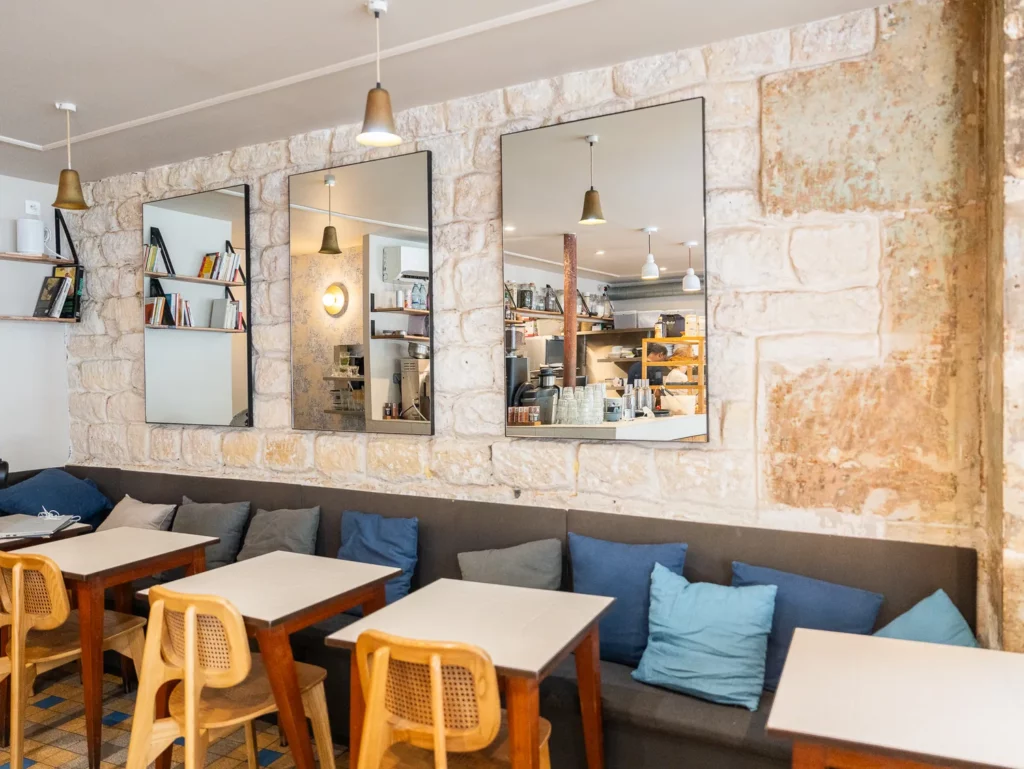
Cover photo: @lapuertaontheroad
It’s 12:45pm, your stomach is growling, and the question comes up: a sandwich at the counter of a café watching the street go by, or a plate set on a real table with room to breathe? In Paris, lunch rarely rhymes with routine. You’re looking for a well-balanced dish of the day, a dining room that doesn’t look like a train station hall, service that doesn’t pressure you. You want to eat, not just fill up.
Between noon and two, neighborhoods split into two camps: those where people rush, and those where people take their time. The streets are full of places promising “homemade,” but not all of them keep their word. Here are our landmarks for a Parisian lunch worth the break.
The Parisian lunch, the story of a break that keeps speeding up
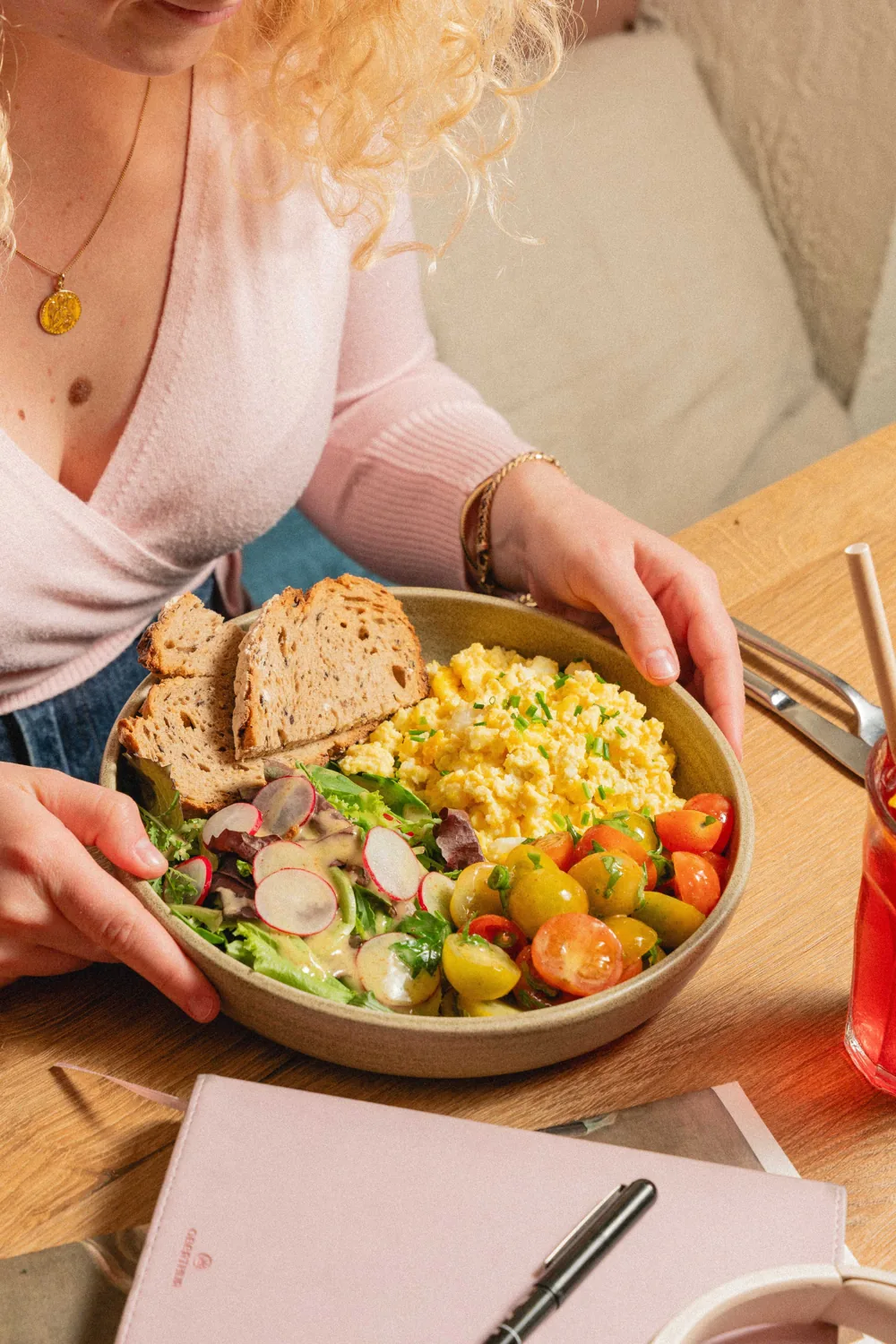
Where does the word “déjeuner” come from?
The term “déjeuner” comes from the old French “desjeûner,” which literally means to break the fast of the night. In the 17th century, “déjeuner” referred to the morning meal, what we now call breakfast. The midday meal was then called “dîner,” and the evening meal “souper.” Then, over the centuries and with urbanization, meal times shifted: dinner moved to the evening, and déjeuner took its place at noon. Today, when the French say “déjeuner,” they mean the midday meal, the one that splits the workday in two.
Noon in Paris: between speed and indulgence
In Paris, having lunch is a balancing act. On one hand, the city sets its own pace: overflowing offices, back-to-back meetings, terraces packed by 12:30pm. On the other, a stubborn desire not to rush the meal. People want to eat well, not just quickly. That “well” can be a sourdough sandwich with flavorful tomatoes, or a plate of roasted vegetables with an ancient grain. No need for white tablecloths or three courses, just honesty on the plate.
Parisians will tell you straight: a good lunch is one that leaves you light, not weighed down. No overly rich sauce at 1pm if the afternoon promises to be long. No oversized portions when you need to catch the metro in twenty minutes. The ideal menu offers two well-thought-out savory options, a seasonal soup when it’s cold, and maybe a dessert to share between two.
Our picks for a lunch that keeps its promises
Coffee shops and bistros: the balance between speed and quality
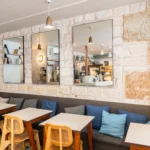
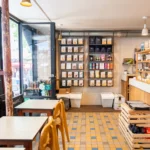
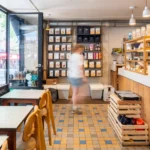
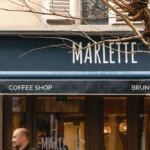
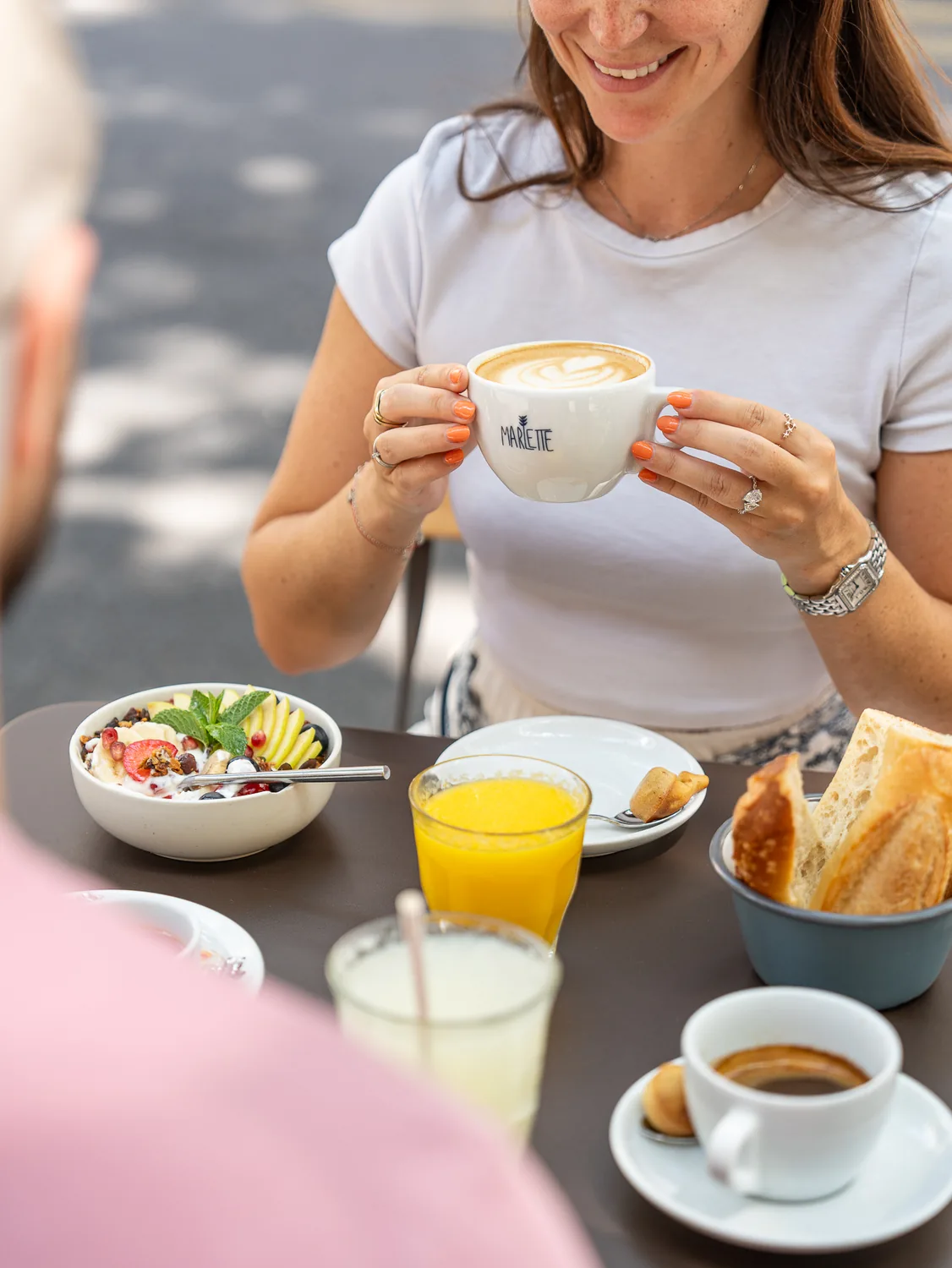
The Parisian coffee shops have figured out the lunchtime equation: serve quickly without sacrificing flavor. At Marlette, on rue des Martyrs or rue des Abbesses, you’ll find seasonal dishes that change from week to week. No fixed menu, no dish reheated three times over. The avocado toast, scrambled eggs, composed salads, and sandwich of the day rotate depending on what’s fresh. Specialty coffee accompanies the meal, never too strong, never lukewarm.
The advantage of these places: they don’t put on an act. The tables welcome both the local employee with thirty minutes to spare and the freelancer settling in with a laptop. No invisible dress code, no pressure to free up the table after forty-five minutes. You order at the counter, sit down, eat, and leave. Or you stay, if the afternoon allows it.
The dish of the day, a marker of good establishments
The dish of the day remains a reliable indicator for gauging a Parisian restaurant. If it truly changes every day, it means the kitchen follows the market. If it’s written in chalk on a slate and crossed out by 1:30pm because it’s sold out, that’s a good sign. A well-made dish of the day costs on average between 12 and 16 euros in Paris, drink not included. It often includes a protein (meat, fish, or legumes), a vegetable side, and sometimes a starter or dessert.
Neighborhood bistros, the ones that have stood on the corner for years, master this exercise. You’ll find reimagined classics there: veal blanquette that doesn’t drown in cream, cod fillet with celeriac purée, mushroom risotto flavored with thyme. Nothing revolutionary, but clean execution, fair portions, and service that knows the regulars by their first name.
Notable addresses by neighborhood
Every Parisian arrondissement holds its own gems for lunch. A few landmarks:
- 9th arrondissement (Martyrs, Saint-Georges): a neighborhood dense with honest addresses. Marlette on rue des Martyrs for a quick lunch, good bread, and soft-boiled eggs with crispy soldiers. Nearby, bistros where the dish of the day genuinely rotates.
- 18th arrondissement (Abbesses, Montmartre): Marlette on rue des Abbesses offers the same guarantees as the Martyrs location. The terrace breathes easy. The neighborhood remains touristy, but a few streets set back hide neighborhood canteens with generous portions.
- 10th and 11th arrondissements (République, Oberkampf): a wealth of neo-bistros and plant-based canteens. You’ll find composed bowls, generously topped sourdough tartines, and thick soups in winter.
- 5th and 6th arrondissements (Quartier Latin, Saint-Germain): a high concentration of historic brasseries and discreet little spots. Value for money climbs, but a few reliable options remain.
For a selection of great places to eat in Paris, we favor places where the menu doesn’t run to twenty dishes. Five or six well-executed options are worth more than an overwhelming catalog.
How to put together your ideal Parisian lunch
The rule of three criteria
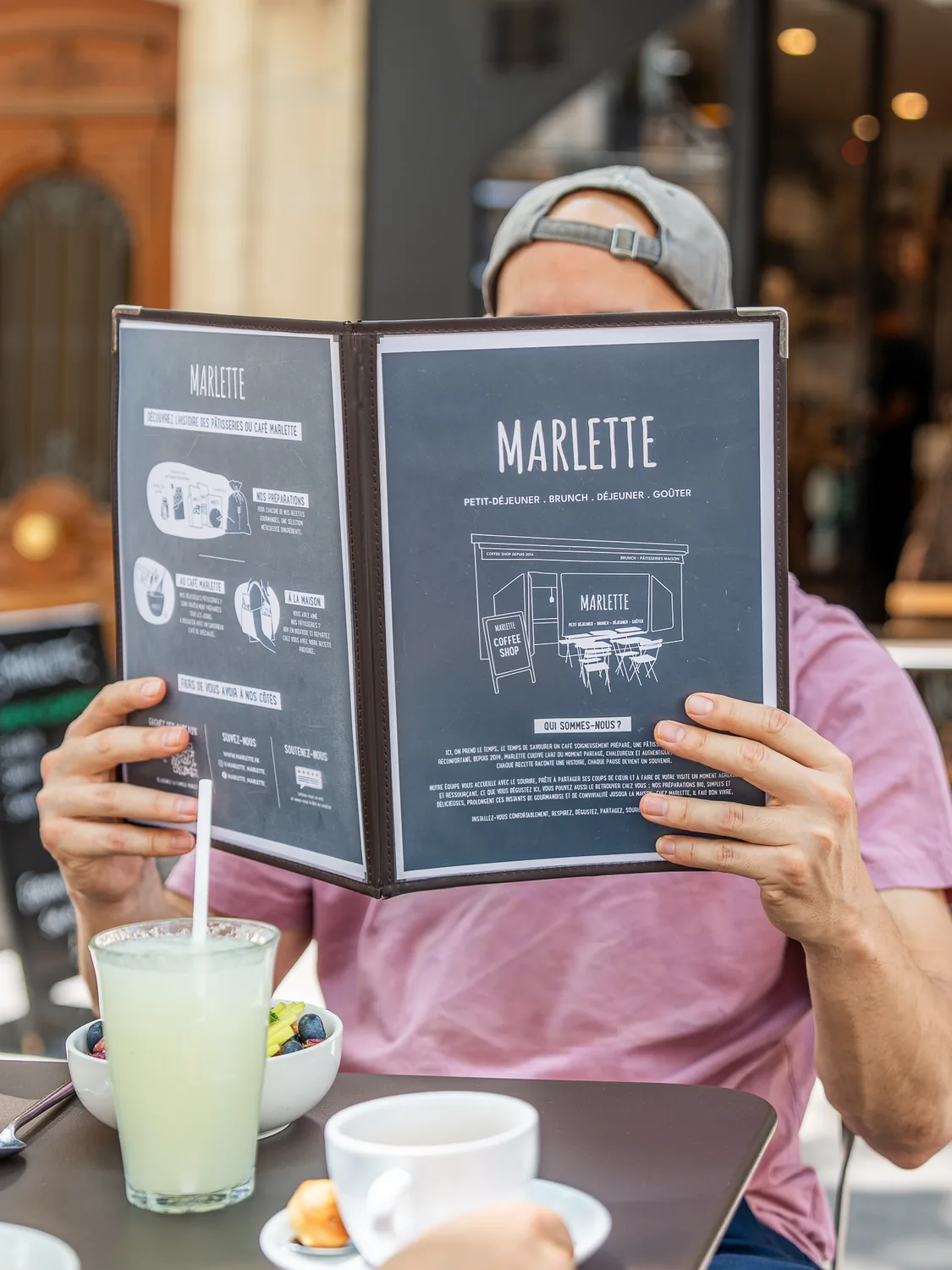
A good Parisian lunch meets three simple criteria:
- Timing: getting your dish in under fifteen minutes if you’re in a hurry, or being able to linger without a pointed look from the server if you have the luxury of time.
- The plate: seasonal produce, well-mastered cooking, careful presentation without showing off. You should be able to recognize what you’re eating.
- The atmosphere: a room where the noise level lets you talk without shouting, service that’s neither cold nor intrusive.
These three points rarely come together in ultra-touristy areas or streets packed with offices. Better to step two streets away, to look for the address you can’t see from the metro.
Eating alone or in a group: adjusting your choice
Having lunch alone in Paris calls for a specific type of place. Avoid large round tables and fine-dining restaurants where dining solo stands out. Café counters, soup bars, and modern canteens with high tables work perfectly. You come with a book or your phone, and nobody finds it odd. At Marlette, the counter often welcomes neighborhood regulars having lunch alone, newspaper open, coffee cup resting on the zinc.
For lunch with others, colleagues, friends, family, things change. You look for a table that seats four or six without squeezing elbows. Bistros with banquettes work well: you slide in, share, order different dishes to try a bit of everything. Coffee shops accept small groups without reservations at lunchtime, but during brunch hours (10am to 2pm), it’s better to come early or late.
Value for money in Paris: between 12 and 20 euros
Lunch in Paris costs on average between 12 and 20 euros for a main dish. Below 10 euros, you’re into quick formulas (sandwich, cellophane-wrapped salad, mass-produced bowl). Above 25 euros, you’re entering restaurants where table service becomes ceremonious, and the bill climbs fast if you add a dessert or a glass of wine.
The best deals sit in the 14 to 18 euro range: a generous dish, fresh ingredients, cooking visible from the dining room. Some bistros offer a starter-plus-main or main-plus-dessert set menu around 18 to 20 euros. It’s often a better deal than ordering à la carte. Coffee shops like Marlette display clear pricing: around 12 to 15 euros for a full plate (avocado toast, eggs, salad), coffee included or extra depending on the set.
Pitfalls to avoid for a successful lunch
Overly touristy areas
Certain Parisian streets pile up lunchtime pitfalls: menus in ten languages, laminated photos in the window, servers hailing passersby. You’ll find them around major landmarks (Eiffel Tower, Notre-Dame, Champs-Élysées), and on the ultra-busy streets of the Marais or touristy Montmartre. There, lunch can cost 18 euros for a mediocre salad and rushed service.
The fix: step two or three streets away. Parisians don’t have lunch on rue de Rivoli facing the Louvre, they turn onto the small side streets. The same logic applies in Montmartre: avoid place du Tertre, head down toward Abbesses or Pigalle. The coffee is better there, the welcome less mechanical, and the bill often lighter.
Endless menus
A menu offering fifty different dishes, from tartare to pad thai to pizza and burgers, rarely signals cooking done on site. The ingredients are often frozen, reheated, assembled. A serious restaurant limits its menu to five or six dishes at most, renewed with the seasons. This constraint guarantees freshness and skill in the kitchen.
When you walk through a door and see a three-page laminated menu, you’re better off walking back out. Good addresses write their menu on a slate or a sheet of paper slipped under glass. They accept that they can’t do everything, and that’s exactly why they do it well.
The trap of “homemade” plastered everywhere
Since the 2014 law, a “fait maison” (homemade) logo can be displayed by restaurants that cook on site using raw ingredients. The problem: this logo remains optional, and many establishments display it without meeting the criteria. Conversely, some honest places don’t bother sticking it in the window. In short, the logo doesn’t tell the whole story.
To check, look at: does the menu change regularly? Can you see the kitchen from the dining room? Is the bread sliced to order or pre-sliced in a basket? Do the vegetables have an irregular shape (a sign they’re peeled on site) or an industrial uniformity? These details speak louder than a sticker.
Lunch at Marlette: what you’ll find
The lunch menu: seasonal dishes and homemade preparations
At Marlette, lunch doesn’t look like the weekend brunch. The menu focuses on seasonal dishes that change from week to week. You’ll find generous composed salads, avocado toast on country bread, scrambled or soft-boiled eggs with soldiers, and the sandwich of the day. Pancakes remain available only at the rue des Abbesses location. No soup in the middle of summer, no fixed menu in winter.
The pastry preparations, cookies, chocolate fondants, brownies, scones, are made on Île de Ré and delivered regularly. They use organic ingredients: flour, sugar, eggs. However, the savory dishes served at the café (avocado toast, eggs, sandwiches) are not organic, nor are the coffees or the pastries served in the dining room. This distinction matters: Marlette doesn’t claim to be a 100% organic café, but it does guarantee the quality of its sweet preparations.
No reservations during brunch hours, except between 3pm and 6pm
Marlette operates without reservations in the morning and at lunch. You walk through the door, check if there’s a free table, and sit down if there is. This deliberate choice for spontaneity avoids empty rooms with “reserved” tables that never welcome anyone. However, for a group or an event, it’s possible to book between 3pm and 6pm by writing to reservation@marlette.fr. This time slot accommodates birthdays, book clubs, and team meetings, without turning the place into a meeting room.
In practice, if you’re having lunch alone or as a couple, there’s no need to call ahead. You come, you try your luck. If the room is full, you come back twenty minutes later or head to another spot in the neighborhood. If you’re a group of six or eight and want to be sure of getting a table, write in for the 3pm to 6pm slot. It’s more comfortable than a packed brunch, and the menu stays the same.
Drinks: specialty coffee and colorful lattes
Coffee at Marlette isn’t roasted on site, Marlette is not a roaster. The beans come from small partner roasters who select specialty coffees. You can drink a well-balanced cappuccino, a creamy flat white, a classic latte. Regulars also order an Ube latte (Filipino purple yam, mild and slightly sweet flavor), a Matcha latte, or a Chai latte. These drinks offer an alternative to black coffee, without falling into industrial syrup territory.
In summer, fresh juices take over: freshly squeezed orange, lemon-ginger, seasonal blends. No canned sodas, no low-grade tea bags. The selection stays deliberately limited, to guarantee the quality of every drink served.
Lunch through the seasons in Paris
Spring and summer: terraces and lightness
As soon as the sun comes back, Parisians head outside for lunch on the terrace. Salads become the stars of the menu: arugula, cherry tomatoes, burrata, roasted chickpeas. People look for freshness, crunch, color. Hot dishes give way to bowls, open-faced tartines, and composed plates that can be eaten lukewarm.
At both Abbesses and Martyrs, Marlette opens its windows and arranges the tables to make the most of natural light. Avocado toast becomes a lunchtime classic: toasted bread, mashed avocado, poached egg, toasted seeds. Simple, effective, filling without weighing you down. Fresh juices accompany it, and iced coffee makes its appearance for those who want caffeine without the heat.
Fall and winter: comfort food
When temperatures drop, lunch cravings change. People want warm, creamy, hearty food. Soups return to Parisian menus: pumpkin velouté, red lentil soup, root vegetable broth. Paired with a slice of toasted bread and a bit of salted butter, they’re enough for a light lunch.
Slow-cooked dishes come back into rotation: mushroom risotto, winter vegetable gratin, baked eggs (œufs cocotte) served with country bread. At Marlette, savory scones (bacon and cheese) and soft focaccia go alongside the hot dishes. Nothing over the top, just enough to hold you over until dinner without dozing off at 3pm.
Parisians and lunch: a few constants
People eat between 12:30pm and 2pm
In Paris, the lunchtime peak falls between 12:30pm and 1:30pm. Before noon, dining rooms are often empty. After 2pm, service slows down. Regulars know this and adjust their timing: arriving at 12:15pm guarantees a table without waiting, but the menu isn’t always complete yet (some dishes are made to order). Arriving at 1:45pm lets you eat at a relaxed pace, but you have to accept that some daily specials may be sold out.
Coffee shops like Marlette welcome guests starting at 11:30am, especially on weekends when brunch stretches on. On weekdays, the flow really picks up from 12:30pm onward. After 2:30pm, the room breathes easier, conversations carry better, and service takes its time.
People don’t linger for two hours
A Parisian lunch rarely lasts more than an hour on weekdays. Employees have a limited break, often between 45 minutes and 1 hour 15 minutes. Places that work well respect this rhythm: order taken quickly, dish served within ten to fifteen minutes, bill available without having to ask for it three times. It’s not about rushing, it’s about respecting everyone’s time.
On weekends, the dynamic shifts. Lunch-brunch can stretch over two hours, and nobody rushes anybody. But on weekdays, efficiency comes first. Good Parisian restaurants have taken this on board: they don’t make you wait around, they don’t shove the bill in your face before you’ve finished, but they don’t let things drag on either.
People come back to their go-to places
Parisians are creatures of habit. They don’t try a new restaurant every day, they find two or three reliable addresses and go back. That’s why the servers know your first name, why the barista starts making your cappuccino before you’ve even ordered it. This loyalty builds a relationship of trust: the customer knows what to expect, the owner recognizes their regulars.
At Marlette, this dynamic works particularly well. Neighborhood residents stop by several times a week, sometimes for a quick coffee, sometimes for lunch. They know the menu rotates, that the quality stays consistent, and that no one will rush them out if they want to keep reading for ten more minutes.
Frequently Asked Questions
How much does lunch cost in Paris on average?
Lunch in Paris costs between 12 and 20 euros for a main dish. Starter-plus-main or main-plus-dessert set menus run around 18 to 22 euros. Below 10 euros, you’re into quick formulas (sandwich, mass-produced salad). Above 25 euros, you’re entering restaurants with full table service.
Can you book a table for lunch at Marlette?
At Marlette, reservations aren’t taken during brunch and lunch hours (morning and midday). You come by to see if there’s room. However, for a group or an event, it’s possible to book between 3pm and 6pm by writing to reservation@marlette.fr. This time slot accommodates birthdays, book clubs, and team meetings.
Which Paris neighborhoods are best for a good lunch?
The 9th (Martyrs, Saint-Georges), 10th (République), 11th (Oberkampf), and 18th (Abbesses) arrondissements are packed with honest addresses where value for money stays fair. Avoid ultra-touristy areas (Eiffel Tower, Champs-Élysées, rue de Rivoli) where prices climb without any guarantee of quality.
What’s on the lunch menu at Marlette?
Marlette’s lunch menu offers seasonal dishes: composed salads, avocado toast, scrambled eggs, soft-boiled eggs, and the sandwich of the day. Pancakes are only available at the rue des Abbesses location. The pastry preparations (cookies, fondants, brownies, scones) are organic and made on Île de Ré. The savory dishes and coffees served in the dining room are not organic.
Having lunch alone in Paris: which places to choose?
For a solo lunch, favor café counters, soup bars, and coffee shops with high tables. Marlette regularly welcomes neighborhood regulars having lunch alone, newspaper open, without anyone finding it odd. Avoid large round tables and fine-dining restaurants where dining solo stands out.
What’s the difference between “déjeuner” and “dîner” in French?
In modern French, déjeuner refers to the midday meal, and dîner to the evening meal. Historically, in the 17th century, “déjeuner” was the morning meal (breaking the night’s fast), “dîner” was the midday meal, and “souper” was the evening meal. Meal times shifted with urbanization and changing lifestyles.