

There’s that morning feeling when you open your eyes and tell yourself that today, you’re going to do it right. No compromises on breakfast. And when gluten isn’t your ally, everything changes. Gone is the white bread that sticks to the roof of your mouth, the industrial cereals that ring hollow. Hello to buckwheat flakes that crunch, rice bread fresh from the oven, fruits overflowing from the bowl.
What we’re looking for is simple: a breakfast that sustains you without making waves. That prepares effortlessly on a Tuesday morning, and becomes a ritual on Sunday when you have time. We’ll talk recipes, clever ingredients, and also those Parisian addresses where you can order with your eyes closed.
The Foundations of a Successful Gluten-Free Breakfast

Understanding What We’re Leaving Behind
Gluten is that protein found in wheat, barley, rye. The one that makes bread rise, that gives cakes their soft texture. When you remove it, you have to relearn how to compose your morning plate.
Foods to avoid: classic bread, rusks, croissants from the bakery downstairs, most supermarket cereals. Even some mueslis hide oat flakes contaminated during production. You read labels. You become a bit obsessive, and that’s normal.
💡 Our Advice
Be wary of oats: although naturally gluten-free, they’re often contaminated during cultivation or packaging. Look for the mention “certified gluten-free oats” on the package.
The Alternatives That Change Everything
We rebuild breakfast around new foundations. Buckwheat becomes your best friend: in flakes for a creamy porridge, in flour for crêpes that hold together. Rice, in all its forms—puffed cakes, flakes for homemade muesli, flour for cakes.
Seeds invite themselves everywhere: chia soaked in almond milk overnight, ground flax that brings a nutty edge, roasted pumpkin that crunches. Fruits become the star of the bowl, not just decoration.
- Gluten-free flours: rice, buckwheat, chestnut, chickpea, coconut
- Naturally gluten-free grains: quinoa, millet, amaranth, corn
- Plant-based milks: almond, coconut, rice, certified oats
- Seeds: chia, flax, pumpkin, sunflower, sesame
The Art of Combining to Never Get Bored
A gluten-free breakfast doesn’t feel like deprivation. It’s just another way of doing things. You mix a base (flakes, homemade bread, rice cakes), a protein (yogurt, almond butter, eggs), fresh fruit or compote, and seeds for crunch.
The secret is rotation. Monday: buckwheat-banana porridge. Tuesday: toasted rice bread with avocado. Wednesday: fruit bowl with homemade granola. You don’t eat the same thing all week. Otherwise, after three days, you crack and grab the first croissant you see.
Rice flakes, buckwheat, or homemade gluten-free bread. It’s the foundation that will keep you full until noon.
Almond butter, shredded coconut, avocado. The good fat that makes breakfast satisfying.
The fresh touch (berries, banana, grated apple) and the crunch (pumpkin seeds, sliced almonds).
Easy Recipes for Every Morning
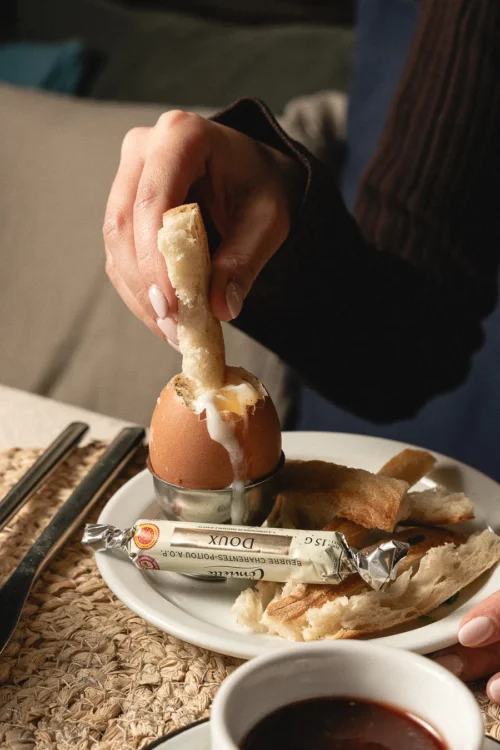
Buckwheat Porridge with Red Berries
Buckwheat is that pseudo-cereal that has nothing to do with wheat despite its name. In flakes, it makes a more rustic porridge than oats, with a pronounced nutty taste. You cook it in plant-based milk (almond or rice, your choice), watching so it doesn’t stick.
For one person: 50g buckwheat flakes, 200ml almond milk, a handful of fresh or frozen red berries, one tablespoon chia seeds, a drizzle of agave syrup or honey.
Heat the milk, pour in the flakes, let simmer for 5 minutes while stirring. It thickens quickly. Remove from heat, add the chia seeds which will absorb the liquid. Pour into a bowl, arrange the red berries on top, drizzle with something sweet. It’s ready. Eat it hot on a winter morning, warm in spring.
✅ Remember
Buckwheat porridge can also be prepared the night before: flakes + milk + chia seeds in the fridge overnight. In the morning, you reheat for 2 minutes or eat cold. Time saved: 10 minutes.
Express Homemade Rice Flour Bread
Making your own gluten-free bread is less intimidating than it seems. No kneading, no endless rising time. You mix, you bake, you wait. Rice flour gives a dense crumb, not airy like wheat bread, but it toasts well.
Ingredients for one small loaf: 200g brown rice flour, 50g cornstarch, 1 packet gluten-free yeast, 1 teaspoon xanthan gum (this replaces gluten’s elasticity), 250ml warm water, 2 tablespoons olive oil, 1 teaspoon salt, pumpkin seeds for the top.
Preheat the oven to 200°C. Mix all dry ingredients in a bowl, add the water and oil, beat with a wooden spoon until you get a sticky dough (this is normal, it doesn’t look like classic bread dough). Pour into an oiled loaf pan, sprinkle with seeds, bake for 40 minutes. The bread should sound hollow when you tap underneath.
Let it cool completely before slicing. Otherwise, it crumbles. This bread keeps for 3 days in a cloth, or several weeks in the freezer, sliced in advance.
Quinoa-Milk Bowl with Grated Apples
Quinoa for breakfast is surprising at first. And then you get used to it. Cooked in milk rather than water, it becomes creamy, almost comforting. An alternative to flakes when you want a change.
For 2 people: 100g white quinoa (milder than red), 400ml rice or coconut milk, 1 apple, cinnamon, some sliced almonds, a little honey.
Rinse the quinoa well (otherwise it stays bitter), put it in a saucepan with the milk, bring to a boil then lower the heat. Gentle cooking for 15 minutes, stirring occasionally. Meanwhile, grate the apple. When the quinoa has absorbed everything, divide it into two bowls, add the grated apple, a pinch of cinnamon, almonds, honey.
Eat it hot. Cooled quinoa hardens and loses its charm. If you make too much, reheat it with a bit more milk.
“Quinoa has 8g of protein per 100g cooked. A breakfast that truly sustains you, without needing to snack at 11 a.m.”
— USDA Nutritional Data
Buckwheat Crêpes with Homemade Compote
The quintessential Breton recipe. Buckwheat flour gives these grey crêpes with a pronounced taste that pair equally well with sweet or savory. On Sunday morning, you make a stack, reheating them as you go.
For about ten crêpes: 250g buckwheat flour, 500ml water (or half water, half plant-based milk for more smoothness), 2 eggs, 1 pinch salt, 1 tablespoon oil.
Mix the flour and salt, make a well, crack the eggs into it. Pour the water gradually while whisking to avoid lumps. Add the oil. The batter should be fluid, almost liquid. Let rest for 30 minutes (or overnight in the fridge).
Hot pan, lightly oiled. Pour a ladle, spread by turning the pan. Cook 1 minute on each side. Stack the crêpes as you go, keep them warm under a cloth.
For toppings: homemade apple compote (apples + a bit of water + cinnamon, cooked for 20 minutes), almond butter, mashed banana with cocoa, or simply a drizzle of honey.
| Breakfast Base | Prep Time | Keeps |
|---|---|---|
| Buckwheat porridge | 10 min | Can prep the night before |
| Rice bread homemade | 50 min | 3 days or freezer |
| Quinoa-milk | 20 min | Eat hot |
| Buckwheat crêpes | 40 min | 2 days in fridge |
Where to Find a Good Gluten-Free Breakfast in Paris
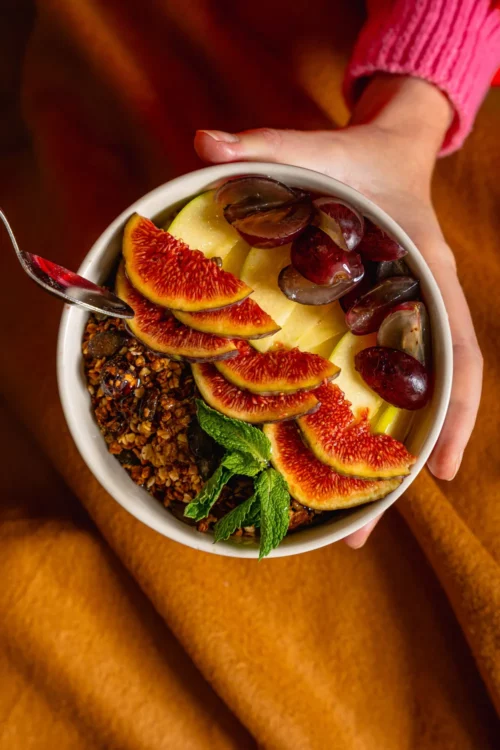
At Marlette, Between Martyrs and Abbesses
We’re not going to lie to you: our coffee shops don’t offer an entirely gluten-free menu. But we’ve thought of those who need to compose differently. Our baking mixes—the chocolate-sesame chip cookies, the chocolate fondants with their fleur de sel heart from Île de Ré—are prepared by us, with ingredients we choose.
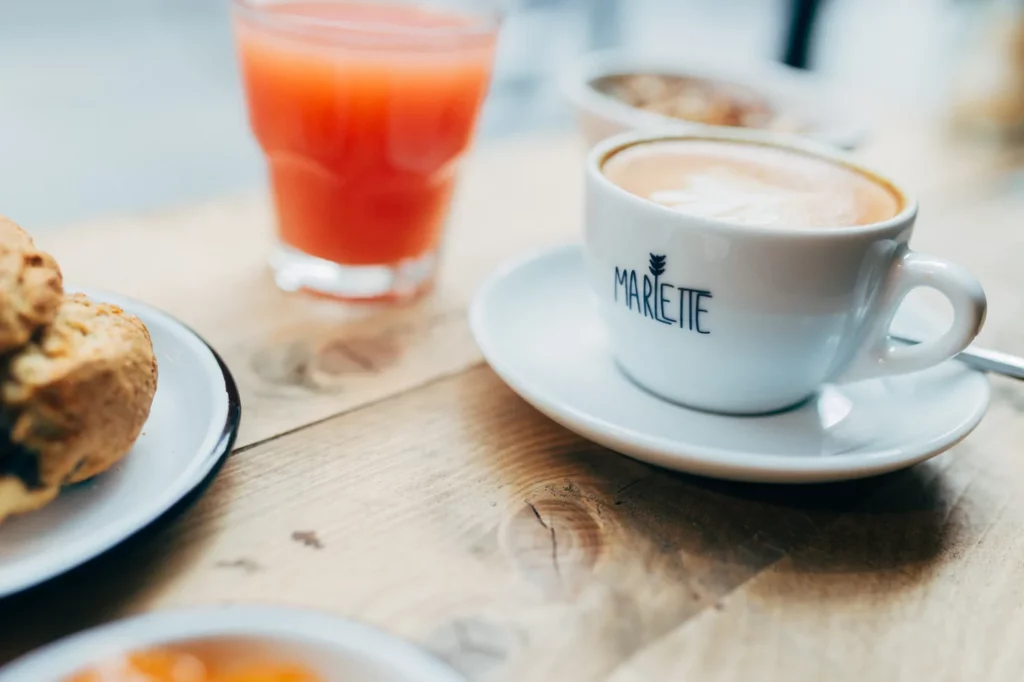
In the morning, you can opt for our freshly scrambled eggs or a bowl of seasonal fruit, naturally gluten-free. Drinks like Matcha latte, Ube latte, or Chai latte are naturally gluten-free, prepared with plant-based milk if you wish.
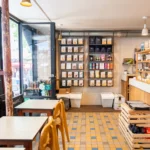
No reservations during brunch hours at our place (it’s our deliberate choice, to keep that spirit of neighborhood spontaneity), but we make sure there’s always a little spot to catch your breath. Rue des Martyrs in the 9th, or rue des Abbesses in Montmartre. Two places where neighborhood residents come as much for the specialty coffee as for that 10 a.m. light coming through the windows.
💡 Our Advice
To discover all our morning rituals, check out our gourmet breakfast guide. You’ll also find our favorite addresses in Paris.
Other Parisian Addresses to Remember
Paris has caught up on gluten-free options. You now find dedicated bakeries, cafés that clearly display their options, addresses where you can brunch peacefully without interrogating the waiter for ten minutes.
- Noglu (16 passage des Panoramas, 2nd) : the historical reference. Everything is gluten-free, from bread to pastries. The continental breakfast with their homemade viennoiseries is worth the trip.
- Helmut Newcake (several addresses) : healthy canteen vibe, gluten-free grain bowls, rice flour pancakes, generous smoothies.
- Maison Plume (5 rue Saint-Merri, 4th) : coffee shop offering gluten-free alternatives clearly marked on the menu. Their porridge with fresh fruit and seeds is a safe bet.
These addresses accept reservations for groups (at Marlette, no reservations during brunch hours, it’s our choice). If you’re a large group, call the day before. Tables can be booked from 3 to 5 p.m. at reservation@marlette.fr.
Ordering for Breakfast at Home
Sometimes, you don’t feel like going out. You just want to receive a well-stocked basket and brunch in your pajamas. Several Parisian options now deliver gluten-free breakfast formulas: breads, viennoiseries, jams, fresh juices.
Bakeries like Chambelland (specialized in rice sourdough bread) or Helmut Newcake offer delivery via Deliveroo or Uber Eats at certain times. You order the day before for delivery between 8 a.m. and 11 a.m. The bread arrives still warm, the viennoiseries individually wrapped.
To go further in organizing your brunch from A to Z, also think about specialized monthly boxes. Some offer a selection of gluten-free products: flours, cereals, artisanal biscuits. It saves running to three different organic stores.
30%
of Parisians actively seek gluten-free options in restaurants, even without a diagnosed intolerance
Frequently Asked Questions
Can you eat oat flakes for a gluten-free breakfast?
Oats are naturally gluten-free, but they’re often contaminated during cultivation or packaging in facilities that also process wheat. Look only for oats certified gluten-free on the packaging. Certified oat flakes are perfectly suitable for porridge or homemade muesli without risk.
Which breakfast cereals are truly gluten-free?
Naturally gluten-free cereals include rice, buckwheat, quinoa, millet, corn, and amaranth. At the supermarket, always check the label: some brands add barley malt (which contains gluten) or are produced in facilities where there’s cross-contamination. Prefer cereals bearing the official “gluten-free” logo.
How to replace bread at breakfast when you don’t eat gluten?
Several alternatives work well: homemade bread made with rice or buckwheat flour, puffed rice cakes (make sure they’re plain, without added malt), buckwheat crêpes, or even grilled sweet potato slices that replace toast. Specialized bakeries like Noglu or Chambelland in Paris also offer excellent fresh gluten-free breads.
Which plant-based milk to choose for a gluten-free breakfast?
All plant-based milks are naturally gluten-free: almond milk, rice, coconut, hazelnut, or soy. Oat milk is also gluten-free if certified (check the packaging). Matter of taste: almond milk is neutral and versatile, rice milk sweeter, coconut milk brings a creamy texture ideal for porridges.
Are all fruits gluten-free?
Yes, all fresh fruits are naturally gluten-free. Apples, bananas, berries, citrus fruits, kiwis: you can eat them without restriction at breakfast. Just be careful with industrial dried fruits sometimes coated with flour to prevent sticking, and commercial compotes that may contain wheat-based thickeners. Prefer fresh seasonal fruits or homemade compotes.
How long does homemade gluten-free bread keep?
Homemade gluten-free bread keeps 2 to 3 days at room temperature, wrapped in a clean cloth (not a plastic bag which softens it). It dries faster than wheat bread because it doesn’t contain gluten to retain moisture. The best solution: slice it as soon as it’s cool, then freeze in portions. You take out a slice in the morning, toast it directly, it regains its softness.