

In just a few years, brunch has become an almost unmissable Sunday morning ritual. But behind this trend that fills restaurants across France every weekend lies a rich culinary heritage born far from home.
This hybrid meal, fusing breakfast and lunch, is about far more than stacking pancakes and scrambled eggs on a plate.
Understanding what a true brunch really is means grasping why this meal has won over the entire world — and how to put one together without falling back on clichés.
Between Anglo-Saxon heritage and French adaptation, brunch has its own codes, its own timing, and above all, its own spirit.
Where brunch comes from: a very British invention that conquered the world
💡 Did you know?
The word brunch officially entered the English dictionary in 1896, just one year after its first appearance in Hunter’s Weekly. A lightning-fast adoption for a word that would go on to charm the whole planet.
The word brunch first appeared in 1895 in a British magazine, Hunter’s Weekly. A writer named Guy Beringer put forward the concept as a way to ease the suffering of Saturday-night overindulgence.
His idea? A late meal combining breakfast and lunch, served between 11am and 3pm, allowing one to sleep in while still sharing a convivial table.
The British aristocracy quickly embraced the practice. Brunch became synonymous with a relaxed weekend, a world away from the rigid formality of afternoon tea.
Hot and cold dishes, sweet and savoury, were served in an atmosphere far less stiff than any other meal of the day. Improvements in food storage at the time also made a wider variety of fresh produce more accessible.
Brunch arrived in the United States in the 1930s, but truly exploded after the Second World War.
Luxury hotels wove it into their Sunday offerings, creating lavish buffets where smoked salmon, eggs Benedict and French pastries lived side by side.
The New York Times devoted articles to this phenomenon, which was transforming the American Sunday into a social occasion in its own right.
What are the true codes that define a brunch?
A brunch is neither a late breakfast nor an early lunch. It is a meal unto itself, with its own rules. Its defining characteristic is its timing — between 10:30am and 2:30pm, never before, never after.
This window in time defines the very spirit of brunch: a suspended moment in which one simply takes one’s time.
The composition of the menu also sets brunch apart from other meals. Eggs appear in every guise: scrambled, poached, fried, in an omelette.
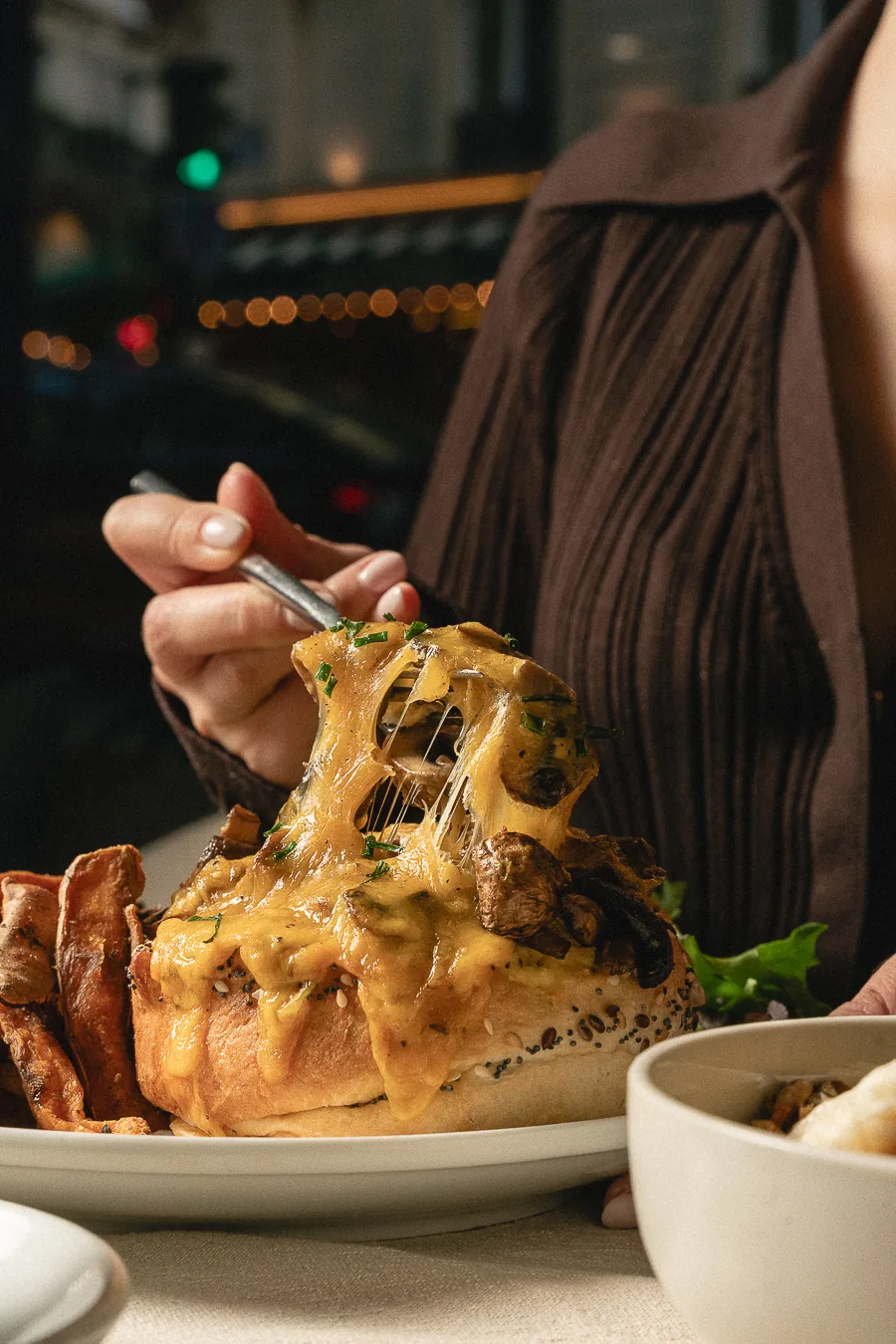
Anglo-Saxon tables add crispy bacon, baked beans in tomato sauce and sautéed mushrooms. In France, the preference tends toward fine charcuterie, cheese and artisan pastries.
The sweet-savoury balance is the third pillar. A good brunch weaves between hearty savoury dishes and gentle, comforting sweetness.
This alternation creates a unique gustatory rhythm — one impossible to replicate at a classic breakfast or a conventional lunch. Fresh fruit brings the necessary brightness between richer bites.
Brunch à la française: a local adaptation

🥞 The Marlette tip
For a home brunch with no weighing and no fuss, Marlette’s organic baking mixes are available in our Montmartre and Pigalle coffee shops. Perfect for pulling together a indulgent Sunday on a whim.
- Fluffy pancakes ready in 10 minutes
- Chocolate babka for those with a sweet tooth
- Irresistible chocolate chip and sesame cookies
In France, brunch arrived in the 1980s through the grand Parisian hotels. But it wasn’t until the 2000s that it truly became part of everyday life.
The French shaped it to fit their own gastronomic culture: less bacon, more smoked salmon, a greater emphasis on fine pastries, and above all, exceptional bread.
French restaurants also developed their own formulas. Brunch became an occasion to discover artisan products: homemade jams, dried-fruit muesli, locally roasted organic cereals.
Dedicated brunch spots — small, neighbourhood establishments — blossomed across every major city. You eat a little less than at an American buffet, but you eat far better.
When and why brunch?
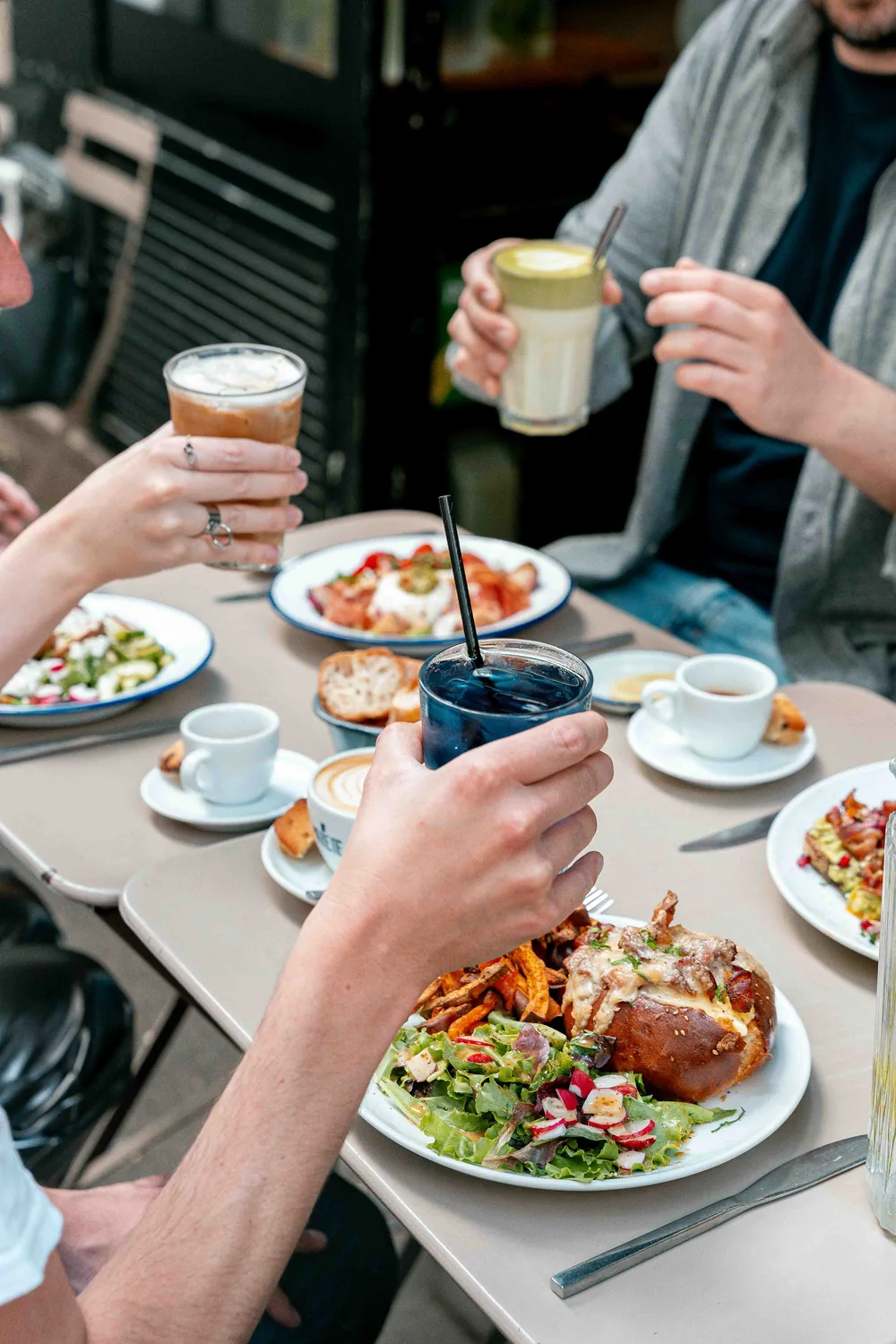
Sunday remains the canonical day for brunch. This is no accident: it is the one morning of the week when sleeping in carries no guilt.
Brunch belongs to this liberated time, far from the demands of working life. It turns waking up into a social occasion rather than a mechanical obligation.
But brunch lends itself to special occasions too. A birthday, a family gathering, old friends reunited: the format fits beautifully those moments when you want to linger over conversation without the weight of a formal dinner.
The average brunch stretches well beyond two hours, compared to an hour for a standard lunch.
There is a practical appeal as well. For the host, brunch simplifies everything: a single preparation session, no rigid table service, dishes that are equally good hot or at room temperature.
Ingredient storage is far less demanding than for an elaborate dinner. Much of the spread can be prepared the evening before: fruit salads, pastries, egg-based preparations.
Some see it as a kind of economy, too. One generous meal replaces both breakfast and lunch, reducing shopping and cooking time.
This logic appeals particularly to young city dwellers looking to make the most of their weekend.
How to put together the perfect menu for a brunch worth remembering?
☕ Barista tip
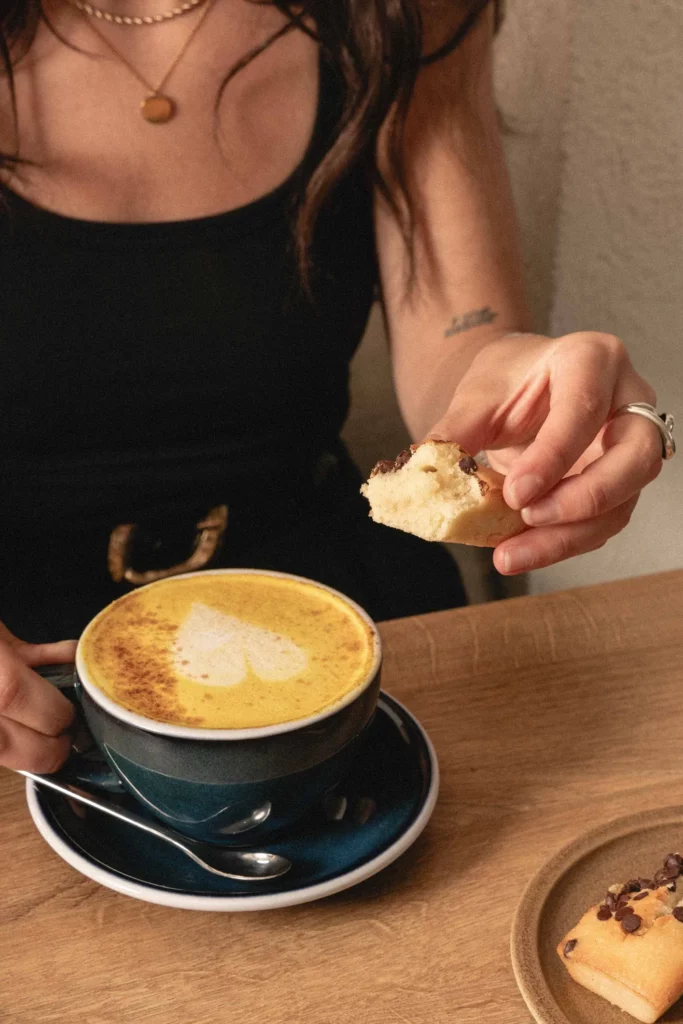
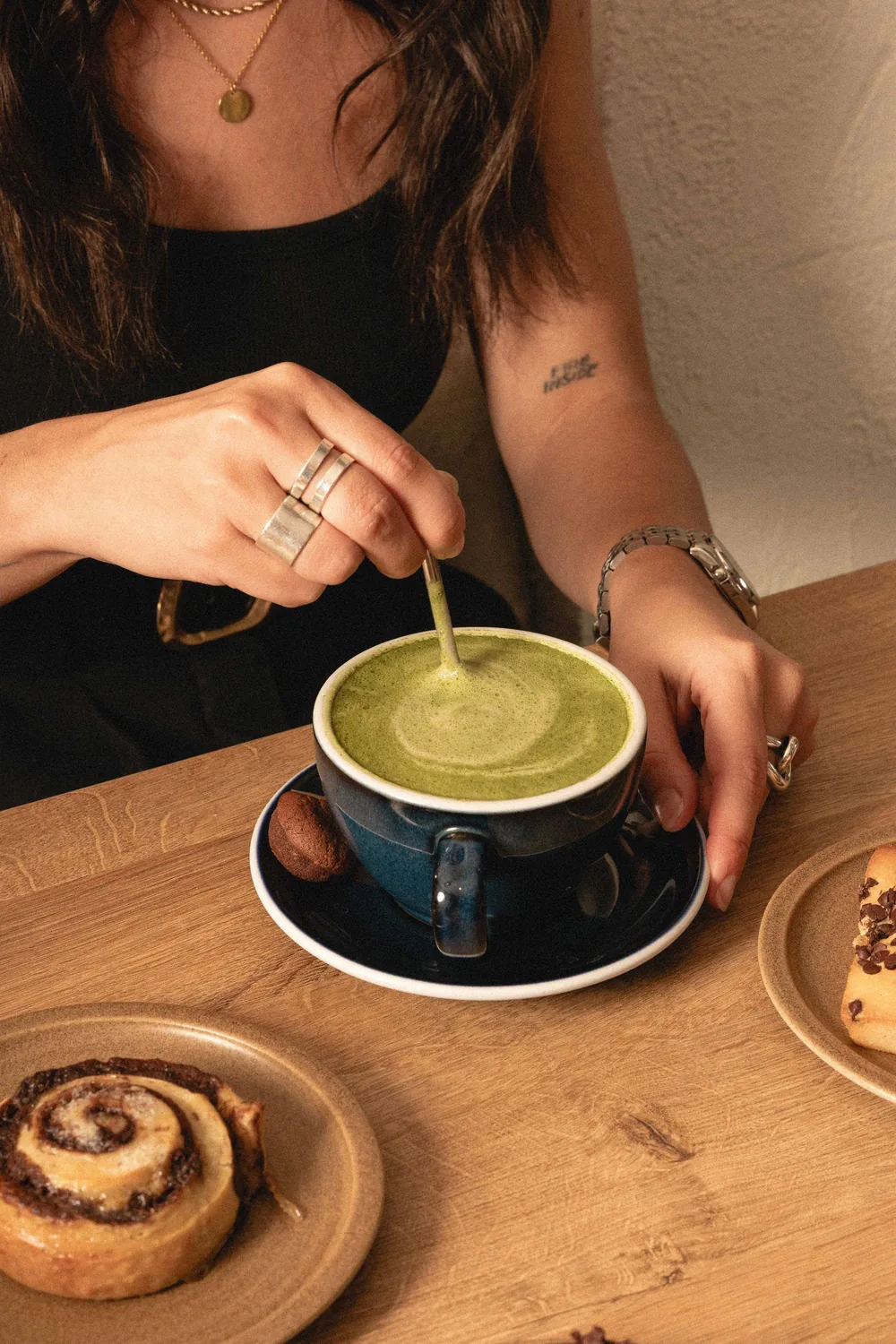
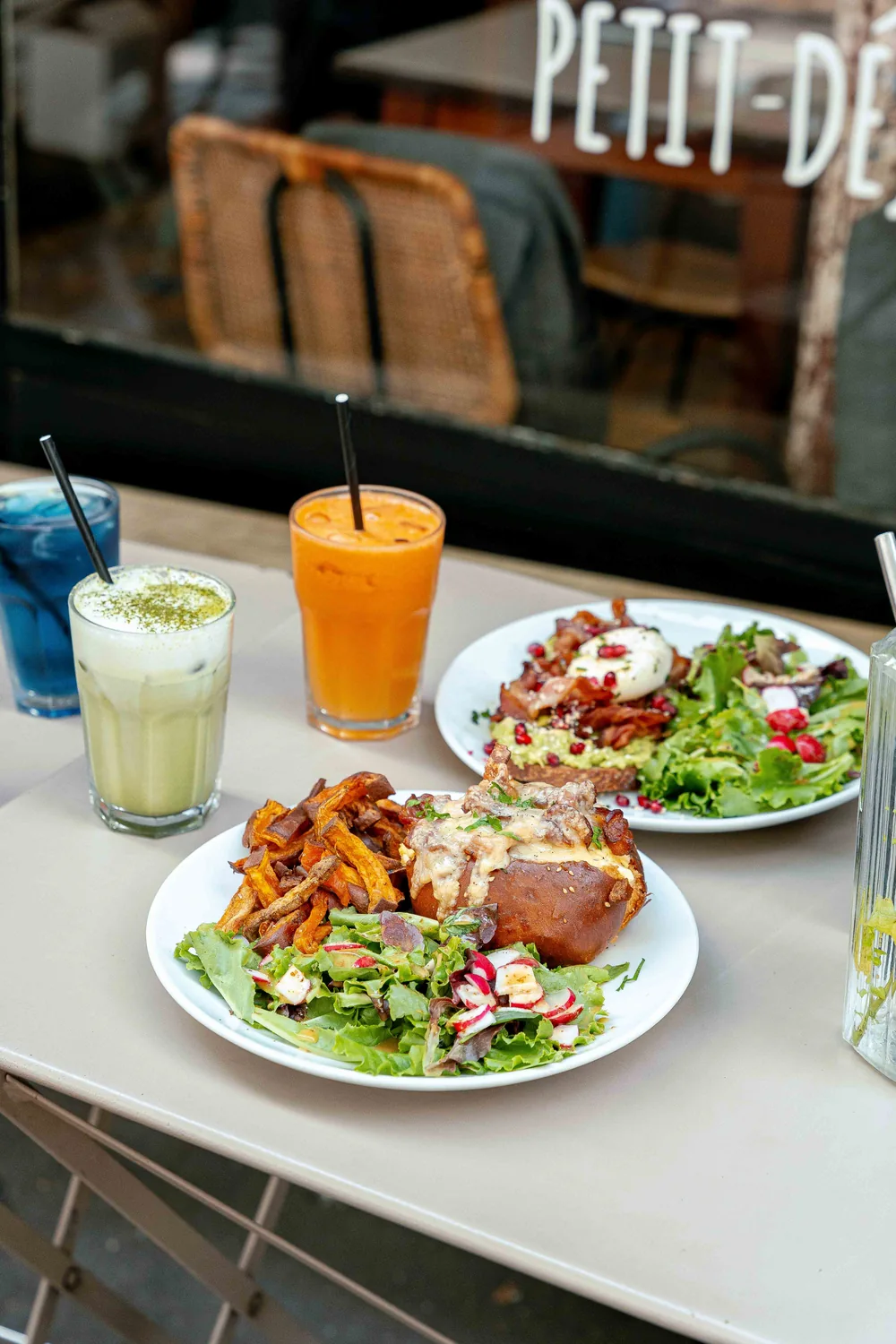
To drink your way through brunch just like in our coffee shops, lean into wellness-inspired drinks: matcha latte, ube latte or chai latte with oat milk. Velvety texture guaranteed.
A great brunch is built on balance. Start with the foundation — eggs are the indispensable cornerstone of any self-respecting brunch. Offer at least two different preparations:
Creamy French-style scrambled eggs: cooked low and slow with a knob of butter;
Poached eggs on toast: for those who love a runny yolk.
Avoid cooking everything at once — eggs must be eaten hot. On the sweet side, play with texture. Soft, pillowy pancakes, crunchy wholegrain granola, generously cut seasonal fruit.
Homemade muesli, put together with rolled oats, nuts and dried fruit, is a far more nourishing choice than anything from a packet. Round things out with a quality baked good: brioche, croissants, fruit bread.
The accompaniments are what lift an ordinary brunch into something memorable. Smoked salmon, thinly sliced ham, aged cheeses, crushed avocado on toast.
In France, spreads are particularly beloved: fish rillettes, homemade hummus, tapenade. These can all be made ahead and only improve with a little time to rest.
What drinks to choose for your brunch?
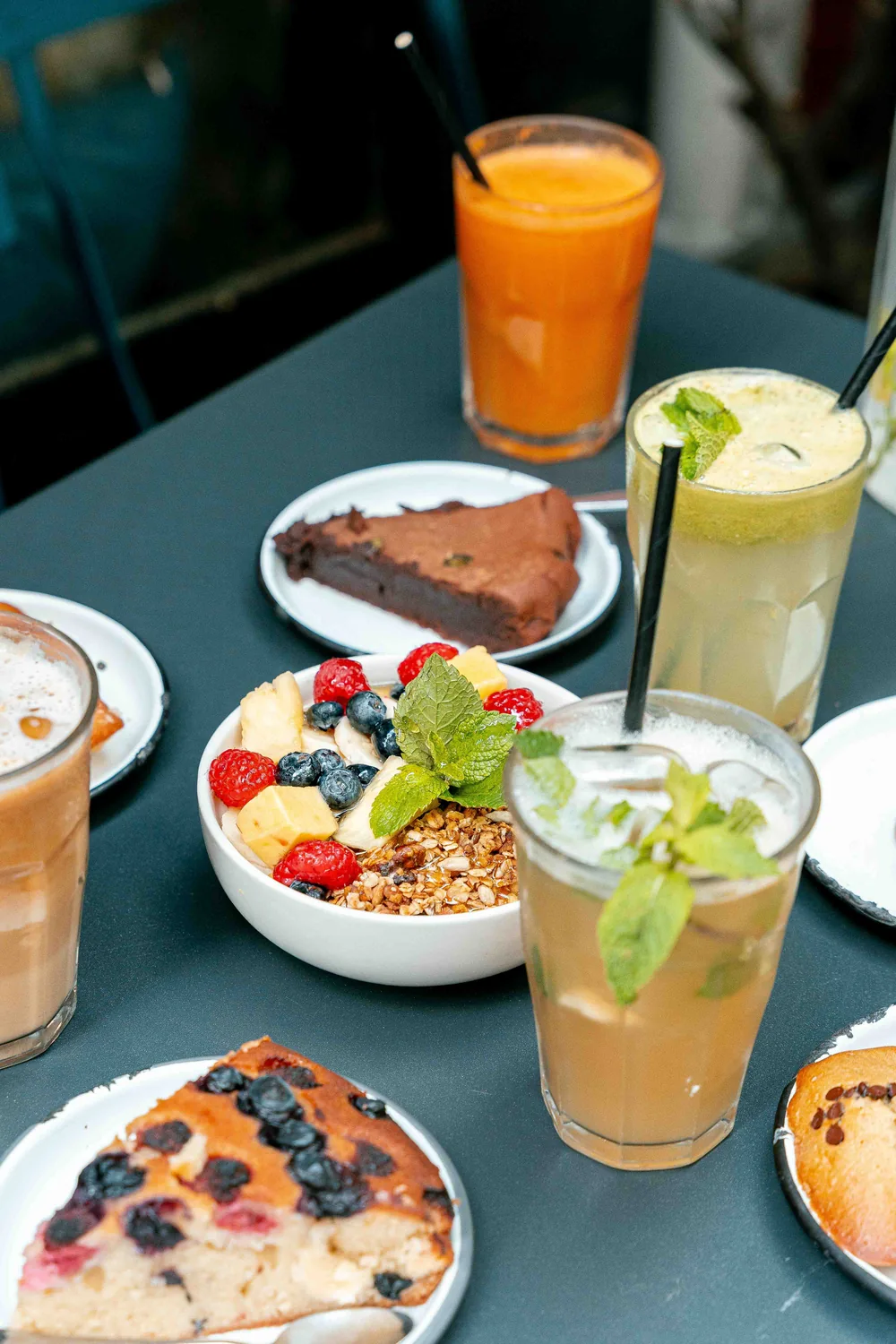
Coffee remains the undisputed star, but brunch calls for a whole cast of drinks, such as:
Freshly squeezed orange juice;
Red berry smoothies;
Fragrant teas.
Some restaurants offer cocktail options — the mimosa (champagne and orange juice) and the bloody mary have become Sunday brunch classics in their own right.
Hydration matters too. Offer sparkling water with lemon, homemade infused waters. A brunch, longer than any ordinary meal, calls for something to sip throughout.
Seasoned brunch lovers know it well: alternating between food and drink makes the whole experience that much more pleasurable.
Where to find the best places to brunch in France?
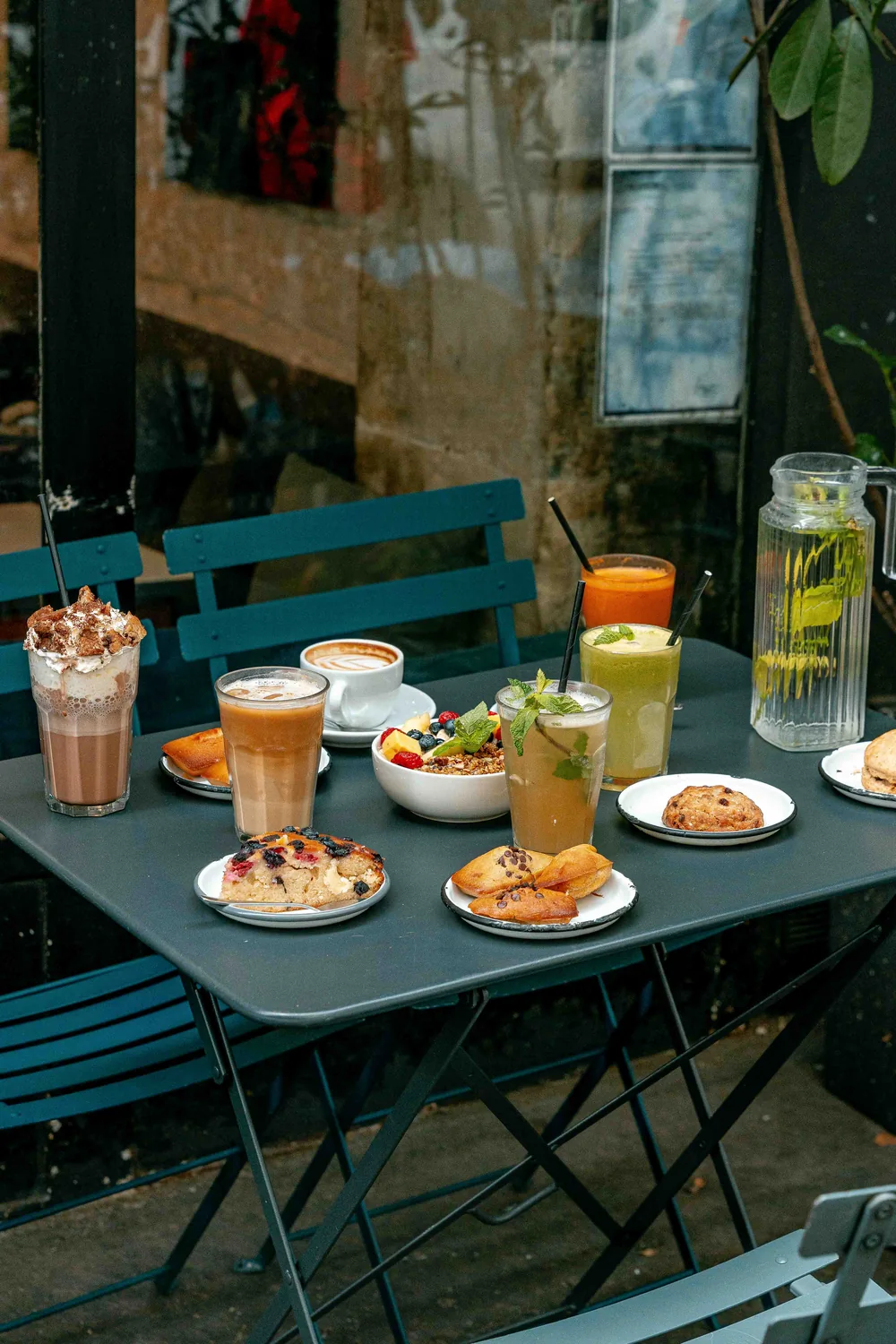
Specialist brunch spots are multiplying across every major French city. In Paris, some establishments fill up weeks in advance.
The Marais, Saint-Germain-des-Prés and Belleville are home to an abundance of options, from wholesome to all-American brunch.
Lyon, Bordeaux and Marseille are following suit. Neighbourhood restaurants now offer their own Sunday formulas, often built around local produce.
In Provence, brunch happens in the shade of plane trees, with fruit heavy with sunshine. In Brittany, galettes-saucisses sit alongside farm-fresh eggs.
The web has made discovering these spots far easier. Culinary wikis and specialist blogs map out the best tables. Social media turns every plate into a work of art worth photographing, fuelling the enthusiasm further.
This online visibility pushes establishments to care as much about presentation as content.
For those who prefer to brunch at home, delicatessens and specialist shops have developed whole ranges of dedicated products. Pancake mixes, Quebec maple syrup, flavoured butters: everything is now within easy reach.
Some online shops even deliver complete brunch boxes, with recipes and pre-measured ingredients.
Home brunch has gained real popularity, particularly since the lockdowns that saw many turn to this format to preserve their cherished convivial rituals. At home, you control the quality of ingredients, the budget and the atmosphere.
Keeping a stock of non-perishable ingredients means you can pull together a brunch without a Sunday-morning dash to the shops.
This tendency reveals a very French paradox: we have embraced this Anglo-Saxon meal while quietly transforming it into something entirely our own. Brunch à la française prizes quality over quantity, artisan over industrial, conviviality over efficiency.
We don’t brunch the way they do in New York or London — and perhaps that is precisely what makes these moments so singular here.
Whether you choose a beloved neighbourhood spot or your own kitchen table, brunch is, above all, a state of mind. It is permission to slow down, to mix jam and cheese without a second thought, to stretch a meal until it becomes something close to an art de vivre.
Brunch needed no magic recipe to make its mark: it simply offered what our hurried lives are always quietly searching for — a moment in which we can finally take our time.
.marlette-faq { max-width: 1140px; margin: 60px auto; padding: 0 20px; } .marlette-faq h2 { font-family: ‘Lunchbox’, cursive; color: #021c32; font-size: 2em; text-align: center; margin-bottom: 40px; font-weight: normal; line-height: 1.2; } .marlette-faq details { border-bottom: 1px solid #d0d5d2; padding: 22px 0; } .marlette-faq details:first-of-type { border-top: 1px solid #d0d5d2; } .marlette-faq summary { font-weight: 600; font-size: 1.05em; color: #021c32; cursor: pointer; list-style: none; display: flex; justify-content: space-between; align-items: center; padding: 5px 0; } .marlette-faq summary::-webkit-details-marker { display: none; } .marlette-faq summary::after { content: “+”; font-size: 1.6em; font-weight: 300; color: #1863dc; margin-left: 15px; transition: transform 0.2s ease; } .marlette-faq details[open] summary::after { content: “−”; } .marlette-faq details > p { margin-top: 15px; line-height: 1.7; color: #4e4b66; font-size: 0.98em; } .marlette-faq details > p a { color: #1863dc; text-decoration: none; } .marlette-faq details > p a:hover { text-decoration: underline; }FAQ: Our answers to the most common questions about brunch
What is the exact difference between a brunch and a buffet?
Brunch describes the nature of the meal itself — taken between morning and early afternoon. A buffet is simply a style of service in which dishes are set out for guests to help themselves. A brunch can therefore be served as individual plates or as an all-you-can-eat buffet. It is the blend of sweet and savoury flavours that earns a meal the name brunch.
What is the ideal time to start brunch?
The typical window tends to fall between 11:00am and 11:30am on a Sunday. This honours the spirit of a gentle lie-in while still merging the two meals. Most establishments stop serving brunch around 3:00pm. Starting around midday gives you the full, unhurried stretch of the experience.
How many calories does a full brunch contain on average?
A generous brunch often comes in somewhere between 800 and 1,200 calories per person. The total varies depending on how many pastries and protein-rich dishes you enjoy. For a lighter spread, lean toward fresh fruit and poached eggs. The balance between pleasure and nourishment ultimately comes down to your own choices.
Can you put together a vegetarian or vegan brunch?
Brunch is the easiest meal to adapt for meat-free diets. Swap the bacon for avocado or grilled halloumi for vegetarians. Scrambled tofu and plant-based milks work beautifully for vegans. The sheer variety of fruits and cereals opens up endless possibilities for everyone.
What budget should you allow for brunch at a restaurant?
In France, expect to pay between €25 and €45 for a quality set formula. This typically includes a hot drink, a fruit juice and the buffet. In grand hotels or sought-after venues, prices may be higher. The cost reflects the variety of ingredients and the generous length of the service.
Why are eggs so essential to the menu?
Eggs provide the protein you need to carry you through to the evening. Their versatility allows them to pair equally well with savoury and sweet elements. They mark the shift from a light breakfast toward something more substantial. They are also the technical element that most often reveals the quality of a brunch chef.
What is the difference between a brunch and a “slunch”?
Slunch is a blend of supper and lunch. Unlike brunch, it is taken late on a Sunday — around 5:00pm or 6:00pm. It is a light, informal snack-dinner to ease gently into the end of the weekend. Brunch remains a morning ritual, while slunch brings the day to a close.
How do you avoid waste after a home brunch?
Stale bread can be turned into French toast for the next day’s tea time. Leftover vegetables slot easily into a quiche or a frittata. Blend remaining fruit into smoothies for a vitamin boost. Most brunch leftovers lend themselves brilliantly to zero-waste cooking.
Is brunch a good format for children?
Brunch is ideal for families thanks to its total freedom of choice. Children love the playful, pick-and-choose nature of a spread and the gentle flavours on offer. Many venues now offer smaller portions and reduced prices for little ones. It is a far less formal setting than a sit-down lunch, which tends to put everyone at ease.
What essentials do you need for a great brunch at home?
A beautiful wooden board and tiered stands make serving a pleasure. Have several carafes ready for juices and homemade infused waters. A good coffee machine is essential for satisfying the coffee lovers at the table. Above all, the goal is a table that looks generous, welcoming and full of life.