

There’s that feeling, on a Sunday morning, of wanting to get your hands in the flour. Not to do anything complicated. Just to feel the butter melting, the sugar crackling under the wooden spoon, and that scent of vanilla filling the kitchen. Homemade sweet recipes are exactly that: a simple gesture that brings you back to what matters. At Marlette, we believe cooking should never feel like an exam. Our organic baking mixes are born on the Île de Ré, in a workshop where everything is still weighed by hand, where the chocolate comes from traceable beans. No preservatives, no endless ingredient lists. Just what you need to pull off a soft cookie or a molten-centred fondant, without any stress.
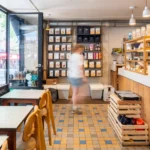
What follows is not a catalogue. It’s a sweet stroll through our world: the recipes we make in our coffee shops on the rue des Martyrs and the rue des Abbesses, the ones we package so you can recreate them at home, and a few behind-the-scenes secrets we’re happy to share. Because a good recipe is, above all, something meant to be passed on.
🍪 The great classics reimagined: cookies, fondants and brownies

The cookie that crackles outside, melts inside
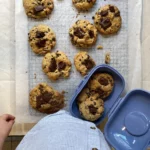
The perfect cookie exists. It gives a gentle crack on the surface, stays soft at the centre, and leaves chocolate traces on your fingers. Our version combines dark chocolate chips and toasted sesame seeds — a detail that changes everything. The sesame brings that faint roasted hazelnut flavour that plays against the sweetness. We use organic T65 flour, salted butter, and unrefined golden sugar that keeps its subtle caramel fragrance. No excess bicarbonate: the cookie shouldn’t puff up like a balloon, but spread gently as it bakes.
Another combination we love: 70% dark chocolate and roughly chopped pecans. The pecans bring crunch and a light bitterness that balances the chocolate’s richness. The secret? Don’t overwork the dough once the flour goes in. Mix just enough for everything to come together, then rest in the fridge for 30 minutes before shaping the balls. This rest firms the butter back up: in the oven, the cookies spread more slowly and hold a denser texture.
💡 Our baking tip
Take the cookies out of the oven when the centres still look a little pale. They carry on baking on the hot tray for 5 minutes. If you wait until they’re golden all over, they’ll be too dry once cooled.
The chocolate fondant with fleur de sel from the Île de Ré
This isn’t a moelleux. It isn’t a lava cake. It’s a fondant: dense, almost compact, with a centre that stays creamy even when cold. We make it with 66% cacao dark chocolate, butter, eggs, sugar, and a pinch of fleur de sel harvested on the Île de Ré — where everything began for Marlette. No flour, or just a tablespoon to bind. The result: a cake that holds its shape, yet melts on the tongue.
The fleur de sel isn’t a detail. It lifts the chocolate without ever announcing itself. It’s that discreet salinity that keeps the dessert from becoming cloying. We add a pinch to the batter, and a few crystals on top just before it goes in the oven. As it bakes, they melt slightly and create those little salty moments of surprise. The fondant is best eaten warm, with a teaspoon of thick crème fraîche. Not vanilla ice cream — that drowns the chocolate. Just cream, plain, which adds richness without extra sweetness.
The pecan brownie: dense and generous
The brownie is the anti-airy-cake. It should be heavy, almost fudgy, with a texture that clings to your teeth. We use a lot of dark chocolate (200 g for 6 people), melted butter, three whole eggs, and very little flour. The pecans are dry-toasted in a pan before being folded in — it intensifies their buttery, caramel flavour. We add them generously: they bring crunch and break through the density of the chocolate.
Low and slow: 160°C for 25 minutes. The centre should still wobble slightly. If a knife blade comes out clean, it’s overcooked. We’re looking for that texture between raw and baked — what the British call underbaked. The brownie firms as it cools: what seems too soft straight from the oven will be perfect two hours later. Serve in thick squares, alongside a strong black coffee. The chocolate-coffee pairing wakes the palate — it’s both bracing and comforting at once.
| 🍪 Cookie | 🍫 Fondant | 🟫 Brownie |
|---|---|---|
| Texture: crisp outside, soft inside. Keeps for 5 days in an airtight tin. | Texture: dense and creamy. Best eaten warm or cold, never piping hot. | Texture: fudgy, almost sticky. Better the next day once the flavours have settled in. |
Scones: somewhere between cake and pastry
The scone is that treat you eat at teatime, or at breakfast when you want something sweet without too much heaviness. Sweet version: flour, cold butter cut into cubes, sugar, milk, and an egg. The dough should stay crumbly, almost sandy. Don’t knead — just barely mix, enough for everything to hold together. Overwork the dough and the scone will be hard and dense. The idea is to keep visible pieces of butter in the dough: in the oven, they melt and create flaky layers.
Bake at 200°C for 12 to 15 minutes. They should be golden on top, still pale on the sides. Serve warm, split in two, spread with salted butter and homemade jam — strawberry, apricot, or fig depending on the season. At Marlette, we make them every morning in our coffee shops on the rue des Martyrs and the rue des Abbesses. They come out of the oven around 9am, and they’re gone by 11.
🥞 Pancakes, crêpes and other morning delights

Fluffy pancakes: a Parisian brunch classic
The American pancake is thick, airy, almost spongy. You whisk the egg whites separately until stiff, then fold them gently into the batter. The result: pancakes that rise in the pan and stay soft even when cold. We serve them stacked in threes, drizzled with pure maple syrup (not the industrial blend), with a knob of butter melting on top. For an indulgent version: fold fresh blueberries into the batter just before pouring into the pan. They burst with the heat and release their tart juice.
Pancakes are only served at the Abbesses, our Montmartre address. We make them to order, one batch at a time. The batter rests for 20 minutes before cooking: this lets the gluten relax and the aromas develop. Cook gently in a lightly buttered non-stick pan. When bubbles appear on the surface, flip. One minute on each side is all it takes. Served with Greek yoghurt, seasonal fruit, and a drizzle of acacia honey. Simple. Effective. Comforting.
✅ The key to pancakes
The difference between a flat pancake and a thick one? The egg whites. Whisk them to firm peaks, fold them in by lifting the batter (never stirring in circles), and don’t let the batter rest after folding. Cook immediately to keep the air trapped inside.
Breton crêpes: thin and buttery
The crêpe is the opposite of a pancake. Thin, almost translucent, with that beurre noisette flavour that comes from the pan. The batter rests for at least 2 hours, ideally overnight. We use whole milk, T45 flour, eggs, melted butter, and a pinch of salt. No sugar in the batter: you sweeten afterwards, at the table. Classic version: caster sugar and lemon juice. Comforting version: homemade chocolate spread (melted dark chocolate, butter, condensed milk) or dulce de leche.
Cook the crêpe in a very hot, lightly greased pan. Pour in a small ladleful, swirl the pan to spread the batter into a circle, and cook for 30 seconds on each side. It should be golden, with a few browned spots that bring that caramel flavour. Fold into quarters, add the filling in the centre, and eat immediately. A crêpe that waits turns rubbery: it’s a dessert you eat in the kitchen, standing up, while making the next one.
Crispy waffles with pearl sugar
The Belgian waffle — thick and deeply dimpled — is made with a leavened batter. Flour, warm milk, fresh yeast, eggs, melted butter, and that famous pearl sugar that caramelises in the iron. The batter rises for an hour before use. The result: waffles crisp on the outside, soft inside, with little pockets of melted sugar that snap under your teeth. Eat them as they are, without any topping. The pearl sugar is more than enough.
Simpler version: the Liège waffle, without yeast. Batter made from softened butter, sugar, eggs, flour and vanilla sugar. Cook in a well-heated, lightly oiled waffle iron. They keep for two days in an airtight tin. To reheat: a few minutes in the toaster, and they regain their crunch. Serve at teatime with a hot chocolate or a smoky tea — the warm-cold contrast wakes the palate.
Combine flour, crumbled fresh yeast, warm milk and sugar. Leave to rise for 1 hour in a warm spot, covered with a damp tea towel. The batter should double in volume.
Once risen, add the melted butter and pearl sugar. Fold gently so as not to knock out the air bubbles. The batter should stay light and airy.
Pour a ladleful of batter into the hot waffle iron. Cook for 3 to 4 minutes until golden. Leave to cool for 2 minutes on a wire rack: the steam escapes and the waffle crisps up.
Babka and cinnamon rolls: the generous buns
Babka is that twisted brioche of Polish origin, filled with chocolate or cinnamon. A rich leavened dough made with butter and eggs, rolled out thin, spread with homemade chocolate spread, rolled up, sliced in half lengthways, then twisted. Baking caramelises the chocolate that spills out: you get those crisp, browned, almost charred edges that contrast with the pillowy crumb. Serve in thick slices, toasted if you’re eating it the next day.
Cinnamon rolls, meanwhile, are crowned with a cream cheese glaze. Leavened dough rolled with soft butter, brown sugar and ground cinnamon. Cut into spirals, arrange in a square tin pressed close together — they’ll rise and touch, creating that soft, pull-apart texture. Bake for 25 minutes at 180°C. The moment they come out of the oven, smother generously with cream cheese frosting: cream cheese beaten with icing sugar and a dash of vanilla. The glaze melts slightly against the warm bun. Eat them warm, pulling them apart with your fingers.
15 min
kneading time for a perfect leavened dough (by hand or with a mixer)
🍰 Entremets, mousses and seasonal desserts

Chocolate mousse: three ingredients, flawless technique
A real chocolate mousse contains neither double cream nor butter. Just dark chocolate, eggs, and sugar. Melt the chocolate in a bain-marie, stir in the egg yolks one by one, then fold in the egg whites whisked to firm peaks with the sugar. The texture should be airy, almost weightless. If it collapses, the whites were under-whisked or you over-mixed. The technique: lift the chocolate mass with a spatula, fold in the whites by turning the bowl, never by beating.
Grown-up version: stir a tablespoon of aged rum or Grand Marnier into the melted chocolate. Pour into individual ramekins and leave to set for 3 hours in the fridge. Serve as is, without whipped cream or decoration. The mousse should speak for itself. If you want to add texture, scatter a few crushed roasted cacao nibs on top just before serving. The contrast in texture adds another dimension to the dessert.
Old-fashioned custard tart
The Parisian flan is the dessert you find in every good neighbourhood pâtisserie. Golden shortcrust pastry, vanilla custard cream, slow baking that creates a caramelised crust on top. The recipe comes down to three steps: make a butter shortcrust pastry, line a tin with it, blind-bake for 10 minutes. Meanwhile, prepare the cream: milk, egg yolks, sugar, flour, and a real vanilla pod split and scraped. Cook the cream until thick, pour into the pre-baked pastry case, and bake for 40 minutes at 180°C.
The flan is eaten cold, cut into generous portions. The texture should be firm yet yielding, never rubbery. If it’s too soft, it hasn’t baked long enough. If bubbles appear on the surface, the oven was too hot. Gentle baking and patience: those are the two secrets. Serve plain, with a strong espresso. No accompaniment needed — the flan is entirely self-sufficient.
Rustic apple tart
Apple tart, the country way: shortcrust pastry, apples sliced into thin rounds, sugar, butter, cinnamon. No compote, no custard cream. Just the apples cooking in their own juice, caramelising in the oven. We use tart varieties like Granny Smith or Reinette, which hold their shape when baked. Overly sweet apples go soft and offer no contrast. Arrange the slices in a rosette, dust with sugar, dot with small cubes of butter, bake for 35 minutes at 200°C.
The tart is best eaten warm, with a scoop of vanilla ice cream melting against the hot apples. Or a spoonful of lightly sweetened thick crème fraîche. Winter version: replace the cinnamon with freshly grated ginger. It gives a gentle heat, warms you through, and brings out the apples’ tartness. This tart keeps for two days at room temperature under a tea towel. Never put it in the fridge: the cold hardens the pastry and kills the flavour of the apples.
| ✅ Easy to pull off | ❌ Requires a delicate touch |
|---|---|
| • Chocolate mousse (if you’re confident with whisked egg whites) • Cookies (virtually foolproof) • Crêpes (just needs a little practice) • Pancakes (the version without whisked whites is still straightforward) |
• Custard tart (the cream is tricky to cook) • Babka (demanding kneading and proving) • Apple tart (the pastry base must be properly baked) |
Revisited yoghurt cake with coconut and lemon
The yoghurt cake is the recipe every child learns first. One pot of plain yoghurt, three pots of flour, two pots of sugar, half a pot of oil, three eggs, a sachet of baking powder. Mix everything together, pour into a buttered tin, bake for 30 minutes at 180°C. The result: a soft cake, not too sweet, that keeps for a week in an airtight tin. Revisited version: swap the plain yoghurt for coconut yoghurt, add the zest of a lime, and stir a tablespoon of coconut milk into the batter.
The coconut adds softness and an exotic sweetness. The lime cuts through that roundness with its acidity. You get a fragrant cake that smells of summer even in the depths of winter. Serve plain, or topped with a lemon glaze: icing sugar mixed with lime juice until it runs in a smooth ribbon. Pour over the cake while still warm, leave to set for 10 minutes. The glaze snaps under your teeth and releases its zesty fragrance. This cake is perfect at teatime with a jasmine green tea or an iced maté.
“The best sweet recipes are the ones you make without looking at the book. The ones you know by heart, that you adapt with whatever’s in the cupboard, that you pass on to your children on a rainy Sunday.”
— Marlette recipe notebook
🥄 Our organic baking mixes to make at home

Why we created these mixes
In 2010, Margot and Scarlette were out sailing with family. On a trip away, the only baking mixes available were industrial blends packed with preservatives and endless ingredient lists. They decided to create their own, on the Île de Ré — where they lived. The idea: simple recipes, with traceable organic ingredients, free from unnecessary additives. No nutritional claims, no health arguments. Just something good and genuine, that tastes like what you’d make yourself when you have the time.
Today, all our organic baking mixes are still made on the Île de Ré. Everything is weighed by hand, packaged in small batches. Each sachet contains the exact quantity for one batch: all you need to add is butter, eggs, and milk as directed. No scales required, no calculations. Open, pour, mix, bake. In 30 minutes, you have homemade cookies coming out of your own oven — not a factory. If you’d like to discover all our recipes to make at home, come and find us in our coffee shops on the rue des Martyrs or the rue des Abbesses.
💡 How we choose our ingredients
Organic T65 flour stone-milled in France. Unrefined golden sugar. Dark chocolate from traceable beans. Fleur de sel from the Île de Ré. Natural yeast, phosphate-free. We only work with what we’d put in our own kitchen. No compromises on quality to keep costs down.
The recipes available as mixes
Our baking mixes cover all the great teatime and brunch classics. Cookies with chocolate-sesame or chocolate-nut chips. Chocolate fondant with its fleur de sel from the Île de Ré. Pecan brownie. Marble cake with cacao. Plain scones or chocolate chip scones. Fluffy pancakes for a Sunday brunch. Light crêpes to fill as you please. Spiced Gingerman biscuits for Christmas. Crispy waffles. Chocolate babka. Cinnamon rolls.
On the savoury side, we also offer a soft focaccia and bacon-and-cheese scones. These mixes are not intended for our coffee shops: they’re made to be prepared at home. The dishes served in our coffee shops on the rue des Martyrs and the rue des Abbesses — the seasonal plates, salads, avocado toast, scrambled eggs, sandwiches, and all the freshly made pastries — are prepared by our team every morning. Only the packaged baking mixes are organic. Everything else — specialty coffees, drinks (Ube latte, Matcha latte, Chai latte, fresh juices), dishes served in the coffee shop — does not carry this label.
How we use them day to day
Marlette baking mixes are the answer when friends drop by unexpectedly. Or when you want to bake without spending two hours weighing and measuring. Take out the sachet, add the fresh ingredients listed on the back, mix for 2 minutes, pour into a tin, and put it in the oven. While it bakes, set the table and make the coffee. By the time your guests arrive, the cake is coming out of the oven. The scent fills the flat. You serve it in slices while still warm, with a scoop of ice cream or a little whipped cream.
Picnic version: make cookies the evening before, wrap them in kraft paper, tuck them into your bag with seasonal fruit and a bottle of homemade iced tea. You have a nomadic, homemade snack that won’t break the bank. Gift version: make a brownie, leave it to cool, cut it into squares, wrap in baking paper, place in a pretty box. You have a generous edible gift that says I thought of you without being showy.
Level: 🟢 For everyone · Storage: 📦 6 months in a dry place · Suitable for: 👨👩👧 The whole family
Mistakes to avoid
Don’t overdose on liquid. If the recipe calls for 50 ml of milk, don’t add 70 because the batter seems thick. Every mix has been tested dozens of times to find the right balance. Respect the quantities. Don’t swap butter for oil: it completely changes the texture. Butter brings softness and flavour; oil makes the cake denser and less fragrant.
Don’t preheat the oven to 200°C if the recipe says 180°C. Ten degrees makes the difference between a soft cookie and a burnt one. Use an oven thermometer if yours isn’t reliable. Don’t pull the cake out the moment it looks done: leave it to cool for 10 minutes in the tin before turning out. Otherwise it breaks. And above all, don’t worry if the result isn’t Instagram-perfect. A slightly misshapen cookie that smells of brown butter is worth a thousand times more than a photograph of a cake you never actually tasted.
⚠️ Worth keeping in mind
Baking times vary from oven to oven. Trust your eyes and your nose as much as the timer. A cake that fills the kitchen with fragrance is often ready, even if there are 2 minutes left on the clock. Take it out and test with the tip of a knife. If it comes away with a few moist crumbs, it’s perfect.
Frequently asked questions
Can you replace butter with margarine in sweet recipes?
You can, but the result will never be the same. Butter brings flavour, a yielding texture, and that roasted hazelnut note during baking. Margarine makes cakes flatter and less fragrant. If you need to avoid lactose, choose a good-quality organic margarine without palm oil, and accept that the texture will be slightly different. For cookies and brownies, solid coconut oil can stand in for butter: it brings softness and a gentle exotic note.
How long do homemade desserts keep?
Cookies and brownies: 5 to 7 days in an airtight tin at room temperature. Cakes like fondant, marble cake, yoghurt cake: 4 to 5 days under a cake dome or cling film. Crêpes and pancakes: 2 days in the fridge, reheated in a pan or the microwave. Chocolate mousse and custard tart: 3 days in the fridge at most. Apple tart: 2 days at room temperature under a tea towel — never refrigerate. Desserts made with custard cream or fresh fruit should be eaten within 48 hours.
Why do my cookies spread too much in the oven?
Three main reasons: the dough is too warm (it should rest in the fridge for 30 minutes before baking), you’ve added too much butter or not enough flour, or your oven isn’t hot enough. The dough should be firm when you shape the balls. If it sticks to your fingers, add a tablespoon of flour. Preheat the oven to at least 180°C, use a cold tray for each batch, and space the cookies well apart: they double in diameter as they bake.
Do Marlette baking mixes contain gluten?
Yes, all our baking mixes contain wheat flour, and therefore gluten. We don’t offer a gluten-free version in our current range. If you are intolerant or coeliac, our mixes are not suitable for you. That said, they are organic, additive-free, and made in a workshop where we oversee every ingredient. For any questions about allergens, contact us directly — our small, dedicated team will get back to you as soon as possible.
What is the difference between a fondant and a moelleux au chocolat?
The fondant is dense, with a compact texture that stays creamy even when cold. It contains little or no flour. The moelleux is lighter and more risen, with a softer crumb — it contains more flour and sometimes baking powder. The lava cake has a liquid centre that flows when you cut into it: you achieve this by deliberately under-baking a moelleux. At Marlette, our chocolate fondant with fleur de sel from the Île de Ré is a true fondant: tight texture, intense flavour, creamy centre — but not runny. We’re not after the dramatic effect; we’re after the truest possible taste.
Where can I buy Marlette baking mixes in Paris?
You’ll find them in our two Parisian coffee shops: 51 rue des Martyrs in the 9th arrondissement, and 45 rue des Abbesses in the 18th (Montmartre). Both are open every day. We also serve seasonal dishes, freshly made pastries, specialty coffees (cappuccino, latte, flat white), and our signature drinks like the Ube latte, Matcha latte, Chai latte, and fresh juices. A relaxed atmosphere, no reservations — come whenever you like. Families with children are always welcome, especially outside the busy hours.
{
“@context”: “https://schema.org”,
“@type”: “FAQPage”,
“mainEntity”: [
{
“@type”: “Question”,
“name”: “Can you replace butter with margarine in sweet recipes?”,
“acceptedAnswer”: {
“@type”: “Answer”,
“text”: “You can, but the result will never be the same. Butter brings flavour, a yielding texture, and that roasted hazelnut note during baking. Margarine makes cakes flatter and less fragrant. If you need to avoid lactose, choose a good-quality organic margarine without palm oil, and accept that the texture will be slightly different. For cookies and brownies, solid coconut oil can stand in for butter: it brings softness and a gentle exotic note.”
}
},
{
“@type”: “Question”,
“name”: “How long do homemade desserts keep?”,
“acceptedAnswer”: {
“@type”: “Answer”,
“text”: “Cookies and brownies: 5 to 7 days in an airtight tin at room temperature. Cakes like fondant, marble cake, yoghurt cake: 4 to 5 days under a cake dome or cling film. Crêpes and pancakes: 2 days in the fridge, reheated in a pan or the microwave. Chocolate mousse and custard tart: 3 days in the fridge at most. Apple tart: 2 days at room temperature under a tea towel — never refrigerate. Desserts made with custard cream or fresh fruit should be eaten within 48 hours.”
}
},
{
“@type”: “Question”,
“name”: “Why do my cookies spread too much in the oven?”,
“acceptedAnswer”: {
“@type”: “Answer”,
“text”: “Three main reasons: the dough is too warm (it should rest in the fridge for 30 minutes before baking), you’ve added too much butter or not enough flour, or your oven isn’t hot enough. The dough should be firm when you shape the balls. If it sticks to your fingers, add a tablespoon of flour. Preheat the oven to at least 180°C, use a cold tray for each batch, and space the cookies well apart: they double in diameter as they bake.”
}
},
{
“@type”: “Question”,
“name”: “Do Marlette baking mixes contain gluten?”,
“acceptedAnswer”: {
“@type”: “Answer”,
“text”: “Yes, all our baking mixes contain wheat flour, and therefore gluten. We don’t offer a gluten-free version in our current range. If you are intolerant or coeliac, our mixes are not suitable for you. That said, they are organic, additive-free, and made in a workshop where we oversee every ingredient. For any questions about allergens, contact us directly — our small, dedicated team will get back to you as soon as possible.”
}
},
{
“@type”: “Question”,
“name”: “What is the difference between a fondant and a moelleux au chocolat?”,
“acceptedAnswer”: {
“@type”: “Answer”,
“text”: “The fondant is dense, with a compact texture that stays creamy even when cold. It contains little or no flour. The moelleux is lighter and more risen, with a softer crumb — it contains more flour and sometimes baking powder. The lava cake has a liquid centre that flows when you cut into it: you achieve this by deliberately under-baking a moelleux. At Marlette, our chocolate fondant with fleur de sel from the Île de Ré is a true fondant: tight texture, intense flavour, creamy centre — but not runny. We’re not after the dramatic effect; we’re after the truest possible taste.”
}
},
{
“@type”: “Question”,
“name”: “Where can I buy Marlette baking mixes in Paris?”,
“acceptedAnswer”: {
“@type”: “Answer”,
“text”: “You’ll find them in our two Parisian coffee shops: 51 rue des Martyrs in the 9th arrondissement, and 45 rue des Abbesses in the 18th (Montmartre). Both are open every day. We also serve seasonal dishes, freshly made pastries, specialty coffees (cappuccino, latte, flat white), and our signature drinks like the Ube latte, Matcha latte, Chai latte, and fresh juices. A relaxed atmosphere, no reservations — come whenever you like. Families with children are always welcome, especially outside the busy hours.”
}
}
]
}