

There are moments when you think: “Sunday morning, I don’t want the same table as last week.” Not because it was bad. Simply because today, you’re after something different. An Italian café with Toto Cutugno playing in the background. A terrace along the Seine that smells of river air and warm bread. A room painted in blue that conjures Santorini without the flight. In Paris, no two brunches are alike. And that’s exactly as it should be.
At Marlette, we know this feeling well: searching for the right place to match the mood of the day. So we’ve put together a few addresses — not the usual suspects. Places you visit as much for the atmosphere as for the food. Where the staff understands that you’re not to be rushed. Where the setting is part of the meal itself. Follow us.
🇮🇹 When the craving for an Italian brunch strikes

The café that takes you there without a passport
You push open the door. The scent of freshly baked focaccia hits you instantly. Someone calls out a name in the kitchen. The white tablecloth with red checks, the olive oil bottles lined up on the shelf, the owner talking with his hands. You haven’t left Paris, but you’ve already forgotten about line 12.
Italian brunches in Paris don’t lean on folklore. They bet on generosity: shared antipasti, eggs scrambled with parmesan, house-made breads that crunch with every bite. No factory-line pancakes here. The preference runs to creamy burrata, ham that carries the scent of good salt, tomatoes that actually taste like tomatoes.
The addresses that deliver on their promise
A handful of tables are worth the trip. No need to queue for two hours — these places put authenticity ahead of Instagram buzz. The décor tends toward the understated: raw wood, natural light, mismatched crockery. You come for the quality of the ingredients and for an atmosphere that carries a warmth of the South.
💡 Our tip
Always order an espresso at the end of the meal. Not to seem Italian. Because that’s simply how you close an Italian brunch — short, strong, standing at the counter if the place allows it.
What we truly love about a transalpine brunch
It’s this way of not serving everything at once. It starts with the pastries. Then the charcuterie. And only then, the hot dish. No rush, no overloaded tray going cold. Just a rhythm that leaves room for conversation.
And then there’s the coffee. Not the kind you drink at home at 7 in the morning while hunting for your keys. The kind that comes from an Italian machine with real character. The kind you sip slowly, thinking: “I’ll be back next week.”
🌊 Brunch along the Seine: when Paris breathes

The river as your table neighbour
There are mornings when you want to see water. Not the sea — there isn’t time for that. But the river, its moored barges, its Sunday joggers, its couples walking slowly. Brunches along the Seine have a gift: making you forget you’re in a capital city of 10 million people.
These spots often play the terrace card. When the sun is out, tables spill outside. When it rains, the large glass doors are thrown wide open. The staff understands you’ve come as much for the view as for the food. So they don’t rush you. They let you watch the bateaux-mouches drift by.
Setting and atmosphere: what makes the difference
The décor of a brunch beside the water should never overperform. No fake rigging, no navy blue everywhere like a fishmonger’s. Just pale wood, light pouring in, comfortable chairs. Sometimes a touch of green — plants, not synthetic grass.
- Terrace with an open view of the Seine (avoid spots wedged between two bridges)
- Staff who know the menu by heart and can guide without imposing
- A short but well-crafted menu: eggs, open sandwiches, seasonal salad, good coffee
- Measured soundscape — you want to hear the seagulls, not the owner’s playlist
87%
of Parisians say they prefer brunching near the water when the sun comes out
The regulars’ secret
The best spots along the Seine don’t appear on the first page of Google. They live in the address books of local residents. These places often carry a history: a former guinguette, a converted bargemen’s café, a family restaurant that has watched Paris change.
You return because the owner greets you by name. Because they know your favourite table. Because on Sunday mornings, a shaft of light falls at 11 o’clock exactly on the bench at the back.
🎨 Unexpected brunches: when the setting tells a story

These addresses that look like nothing else
Paris hides brunch destinations that step outside the frame. A café installed inside a former jeweller’s. A brunch served in a 19th-century mansion with ornate mouldings and gilded mirrors. A room with walls as blue as a Mediterranean sky. These places don’t chase the unusual for the sake of buzz — the décor is simply part of who they are.
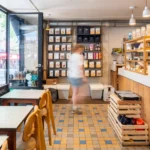
At Marlette, we believe the setting matters as much as what’s on the plate. Our two coffee shops — rue des Martyrs and rue des Abbesses — each have their own personality. No standardised décor, no franchise copy-pasting the same atmosphere. Just spaces that breathe Montmartre, with their brunches lovingly prepared by our team, their neighbourhood regulars, their light that shifts with the hour.
Festive without the glitter
An unexpected brunch should never turn Sunday morning into a fancy-dress evening. The festive spirit lives first in the attention to detail: vintage crockery, fresh flowers on every table, a menu that offers combinations you won’t find everywhere else.
| 🎭 Theatrical décor | 🌿 Authentic décor |
|---|---|
| Overloaded walls, neon lights everywhere, a forced concept that ages in six months | Original architectural features preserved, natural light prioritised, quality materials |
The rough diamond over rhinestone
The finest unexpected addresses often share one thing in common: they don’t shout about what makes them different. You discover the details by staying a while. The period tiling under the table. The French ceiling you hadn’t noticed when you walked in. The collection of vintage coffee makers lined up on a shelf.
It’s these small secrets that bring you back. Not for the Instagram shot — though it will be beautiful. But because you feel at ease there. Because the place has a soul.
✅ Worth remembering
An unusual setting is never enough on its own. The best places marry the originality of the space with the quality of the service and the cooking. Otherwise, you visit once, take the photo, and never return.
🎯 How to choose YOUR brunch according to your mood

The method for getting it right every time
Choosing a brunch isn’t like ordering a pizza. There are three questions worth asking before settling on an address (at Marlette, there are no reservations during brunch hours — we believe in the spirit of spontaneity): Tables can be booked from 3 to 5 p.m. at reservation@marlette.fr.
- Who am I coming with? With friends, the energy and the desire to share come first. With a partner, you’re looking for intimacy. With family, you need space and variety.
- What kind of energy do I want? Some mornings call for buzz and movement. Others call for quiet. A good café knows how to play both registers, depending on where you sit in the room.
- What do I actually feel like eating? Not what looks good in a photo. What will make you genuinely happy for two hours.
The codes to know (or to ignore)
Paris has its brunch habits. Some are worth embracing. Others, you can do without. The all-you-can-eat brunch, for instance: practical if you’re very hungry, but often a signal of average quality. À la carte options or a well-thought-out set menu tend to offer more finesse.
Continuous service from 10am to 4pm: a real asset. It takes the pressure off the 12:30 table scramble. Brunches that wrap up by 3pm leave the afternoon free — for a walk, a film, or simply heading home for a nap.
Pitfalls to avoid
A few warning signs should give you pause before pushing the door open:
- A menu that’s too long, with 40 options (a sign that nothing is truly fresh)
- A décor frozen in the 2010s with no evolution
- Overwhelmed staff even outside the rush (a sign of poor organisation)
- No seasonal produce on the menu (cooking on autopilot)
- Google reviews that all mention the décor and never the food
Look at local blog articles, not just generic top-ten lists. The people who live in the neighbourhood always know.
Come on a Sunday morning around 11am (not too early, not in the thick of the rush). Watch the service, take in the atmosphere, judge the quality of the coffee.
If it clicks, become a regular. The best spots reward loyalty — a table by the window, a smile of recognition, sometimes even a little something off the bill.
Sunday evening dinner starts at brunch
Strange but true: a good brunch shapes the rest of the weekend. If you leave the table at 2:30pm satisfied and content, you’ll linger in the sunshine until 6pm. Dinner will be light — a soup, a bit of leftover cheese. And Monday morning, you’ll have the feeling of having truly made the most of your two days.
A brunch that disappoints — rushed service, forgettable food, a stinging bill — leaves you with a bitter taste. The kind that makes you think: “I should have stayed home.” That’s precisely why it’s worth choosing carefully.
« A brunch done well isn’t just about eating well. It’s about feeling welcomed, having the time to talk without being hurried, and leaving with the desire to come back next week. »
— Regulars at our Marlette coffee shops
🗺️ Paris brunch: a map of cravings

Montmartre and the 9th: the heart of Parisian brunch
If Paris had a brunch heartbeat, it would pulse somewhere between Pigalle and the Abbesses. Here you find everything: the Italian café tucked between two vintage boutiques, the unexpected address inside a former mansion, the terrace spot with a view over the rooftops.
Our two Marlette coffee shops — 51 rue des Martyrs in the 9th and 45 rue des Abbesses in Montmartre — embody this neighbourhood spirit. You’ll find locals coming in for their Sunday focaccia, visitors who’ve left the Champs-Élysées behind in search of the real Paris, and groups of friends who have their regular table.
The other neighbourhoods that matter
The Marais plays the card of the festive, cosmopolitan brunch. You’ll find Middle Eastern addresses, American coffee shops, healthy canteens. The atmosphere on Sundays is often electric — you either love it or you don’t.
Canal Saint-Martin and the 10th lean into the waterside experience. When the weather is fine, terraces spill out onto the towpaths. The décor often runs industrial-chic: exposed brick, metal furniture, hanging plants. The crowd is young, cheerfully loud, and good-natured.
| ✅ Reliable neighbourhoods | ❌ Neighbourhoods worth a second thought |
|---|---|
| • Montmartre / SoPi (9th–18th) • Canal / Belleville (10th–20th) • Marais (3rd–4th) • Batignolles (17th) |
• Champs-Élysées (too touristy) • Latin Quarter (value for money) • La Défense (little soul on Sundays) |
The new spots on the rise
Paris keeps moving. Every month, new addresses open. Some disappear within six months. Others settle into the landscape. To spot the gems before everyone else, follow the people who live in the neighbourhood — not the influencers paid to promote.
Neighbourhoods in transformation (Crimée, Porte de Vincennes, Convention) are home to projects driven by people who are passionate about what they do. Rents still reasonable, a loyal local clientèle, a pioneering spirit. These places often have far more heart than the polished shopfronts of the central arrondissements.
⚠️ Worth keeping in mind
Parisian hotel brunches can be tempting for their sumptuous settings. But beware: the service can feel stiff, prices are often high, and the atmosphere sometimes lacks warmth. If you want to try the experience, boutique hotels will serve you better than the grand classics.
Our Marlette addresses: why we believe in them
We won’t pretend otherwise: we have skin in the game. But if we champion our two coffee shops, it’s because they embody everything we love about a great Parisian brunch. Organic baking mixes made on the Île de Ré (our chocolate chip and sesame cookies, our chocolate fondant with its molten salted-butter heart, our pecan brownies). Drinks that go beyond the ordinary: Ube latte, Matcha latte, Chai latte, fresh juices. A team that knows the regulars by name. And above all, this philosophy of slowing down: here, nobody is watching the clock.
We don’t take reservations during brunch hours for brunch. That’s a deliberate choice. We want to keep that spontaneous spirit alive: you walk past, you feel like it, you come in. On rue des Martyrs as on rue des Abbesses, there’s room for you — and if we’re full, we’ll tell you honestly how long the wait will be.
Paris offers hundreds of options for brunch. But deep down, we’re not looking for exhaustiveness. We’re looking for our place. The one where the coffee tastes exactly as we like it. Where the setting puts us at ease without our quite knowing why. Where the staff can tell that today, we just need to breathe.
The ideal brunch isn’t universal. It depends on your mood, on the person sitting across from you, on the neighbourhood where you feel most at home. Sometimes the Seine calls to you. Other Sundays, it’s the Italian atmosphere and the checked tablecloths. Or simply a hidden place that nobody knows about, except you and three regulars.
What matters is finding that moment when you think: “Here, right now, I’m exactly where I’m supposed to be.” Everything else — the destination, the addresses, the articles listing the top tens — is just background noise. What counts is your table, your plate, and the feeling that you were right to head out this morning.
Frequently asked questions
Where can I find an authentic Italian brunch in Paris?
The best Italian brunches are found in neighbourhoods where Italian communities have settled: around rue du Faubourg Saint-Denis, in the Marais, and in Montmartre. Look for addresses that offer house-made antipasti, fresh focaccia and a proper espresso to close the meal. Avoid overly touristy spots with menus translated into six languages — the secret of a good Italian brunch is that it’s frequented first and foremost by Italians.
Which are the most pleasant brunch spots along the Seine?
The best spots along the Seine combine an open view with attentive service. Look for addresses with terraces open from April to October, located between Pont Alexandre III and Pont de Bir-Hakeim on the left bank. Make sure the establishment offers a genuine brunch menu (not just a fixed set) and extended hours — the best places serve until 3pm or 4pm at weekends. Arriving around 11am lets you avoid the midday rush while making the most of the light.
How do you recognise a genuinely original unusual brunch?
A truly unusual brunch announces itself through three signs: a setting with a story (a former artist’s studio, a converted mansion, a space with real architectural character), a culinary concept that doesn’t copy current trends, and a loyal local clientèle. Be wary of places that stake everything on Instagram aesthetics — showy décor ages quickly. The best unusual spots often have fewer than 50 covers, a small team who knows every guest, and an atmosphere that shifts with the hour of the day.
Is an all-you-can-eat brunch really good value in Paris?
An all-you-can-eat brunch can seem economical, but it often involves compromises on quality. These formulas work with products that keep well (industrial pastries, vacuum-packed charcuterie, bottled juices). If you have a very large appetite and quantity is your priority, it can work. But for a more refined experience with fresh, seasonal produce, an à la carte menu or a well-considered set menu generally offers a richer experience. Expect to pay between 25 and 35 euros for a quality brunch in Paris.
Which Paris neighbourhood is best for a festive brunch with friends?
For a festive group brunch, lean towards Montmartre (bohemian atmosphere, plenty of terraces), the Marais (cosmopolitan and lively), or Canal Saint-Martin (young and relaxed). These neighbourhoods are home to addresses that can comfortably seat groups of 6 to 10 (some accept reservations, others like Marlette do not — that’s our deliberate choice to preserve the spirit of spontaneity). Avoid bank holiday Sundays or sunny April–May weekends if you’d rather not wait — or simply arrive before 11am. Establishments that offer sharing menus (antipasti boards, plates to pick at) make group brunches much easier.
Can you brunch at a grand Parisian hotel without staying there?
Yes, most grand Parisian hotels open their Sunday brunches to non-residents. Expect to pay between 60 and 120 euros per person depending on the level (palaces, five-star hotels). The settings are often magnificent, the service impeccable, the buffets generous. But the atmosphere can feel cool or formal compared to neighbourhood coffee shops. This option suits a special occasion (a birthday, a proposal, a family reunion) where the setting is part of the experience itself. Reservations are strongly recommended, particularly for iconic hotels with views of the Seine or the gardens.
{
“@context”: “https://schema.org”,
“@type”: “FAQPage”,
“mainEntity”: [
{
“@type”: “Question”,
“name”: “Where can I find an authentic Italian brunch in Paris?”,
“acceptedAnswer”: {
“@type”: “Answer”,
“text”: “The best Italian brunches are found in neighbourhoods where Italian communities have settled: around rue du Faubourg Saint-Denis, in the Marais, and in Montmartre. Look for addresses that offer house-made antipasti, fresh focaccia and a proper espresso to close the meal. Avoid overly touristy spots with menus translated into six languages — the secret of a good Italian brunch is that it’s frequented first and foremost by Italians.”
}
},
{
“@type”: “Question”,
“name”: “Which are the most pleasant brunch spots along the Seine?”,
“acceptedAnswer”: {
“@type”: “Answer”,
“text”: “The best spots along the Seine combine an open view with attentive service. Look for addresses with terraces open from April to October, located between Pont Alexandre III and Pont de Bir-Hakeim on the left bank. Make sure the establishment offers a genuine brunch menu (not just a fixed set) and extended hours — the best places serve until 3pm or 4pm at weekends. Arriving around 11am lets you avoid the midday rush while making the most of the light.”
}
},
{
“@type”: “Question”,
“name”: “How do you recognise a genuinely original unusual brunch?”,
“acceptedAnswer”: {
“@type”: “Answer”,
“text”: “A truly unusual brunch announces itself through three signs: a setting with a story (a former artist’s studio, a converted mansion, a space with real architectural character), a culinary concept that doesn’t copy current trends, and a loyal local clientèle. Be wary of places that stake everything on Instagram aesthetics — showy décor ages quickly. The best unusual spots often have fewer than 50 covers, a small team who knows every guest, and an atmosphere that shifts with the hour of the day.”
}
},
{
“@type”: “Question”,
“name”: “Is an all-you-can-eat brunch really good value in Paris?”,
“acceptedAnswer”: {
“@type”: “Answer”,
“text”: “An all-you-can-eat brunch can seem economical, but it often involves compromises on quality. These formulas work with products that keep well (industrial pastries, vacuum-packed charcuterie, bottled juices). If you have a very large appetite and quantity is your priority, it can work. But for a more refined experience with fresh, seasonal produce, an à la carte menu or a well-considered set menu generally offers a richer experience. Expect to pay between 25 and 35 euros for a quality brunch in Paris.”
}
},
{
“@type”: “Question”,
“name”: “Which Paris neighbourhood is best for a festive brunch with friends?”,
“acceptedAnswer”: {
“@type”: “Answer”,
“text”: “For a festive group brunch, lean towards Montmartre (bohemian atmosphere, plenty of terraces), the Marais (cosmopolitan and lively), or Canal Saint-Martin (young and relaxed). These neighbourhoods are home to addresses that can comfortably seat groups of 6 to 10 (some accept reservations, others like Marlette do not — that’s our deliberate choice to preserve the spirit of spontaneity). Avoid bank holiday Sundays or sunny April–May weekends if you’d rather not wait — or simply arrive before 11am. Establishments that offer sharing menus (antipasti boards, plates to pick at) make group brunches much easier.”
}
},
{
“@type”: “Question”,
“name”: “Can you brunch at a grand Parisian hotel without staying there?”,
“acceptedAnswer”: {
“@type”: “Answer”,
“text”: “Yes, most grand Parisian hotels open their Sunday brunches to non-residents. Expect to pay between 60 and 120 euros per person depending on the level (palaces, five-star hotels). The settings are often magnificent, the service impeccable, the buffets generous. But the atmosphere can feel cool or formal compared to neighbourhood coffee shops. This option suits a special occasion (a birthday, a proposal, a family reunion) where the setting is part of the experience itself. Reservations are strongly recommended, particularly for iconic hotels with views of the Seine or the gardens.”
}
}
]
}