


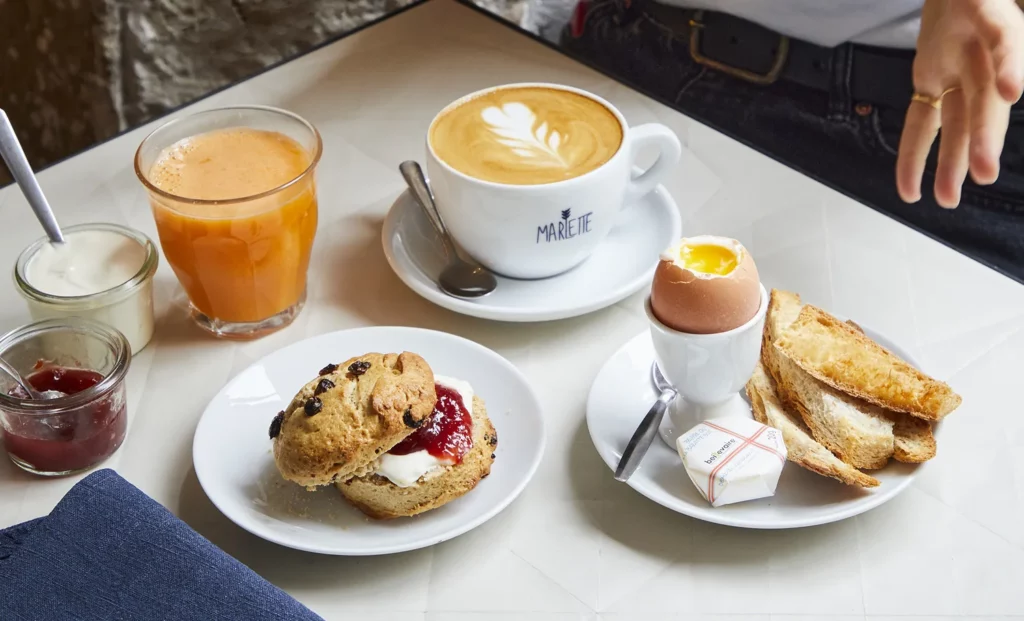
The alarm goes off. You could gulp down a coffee standing at the kitchen counter, but today you’ve decided otherwise. A proper breakfast, or better still, a brunch that stretches lazily toward noon.
Not a passing trend imported from elsewhere, but a genuine culinary experience worth lingering over. Between savory and sweet recipes, meticulous planning and delicious improvisation, this hybrid meal has its own codes. You might as well master them.
This guide covers the subject in full. No unnecessary padding — just what actually works in the kitchen. From the technical foundations to pro tips, the mistakes to avoid and the ingredients to keep close at hand.
Whether you’re hosting ten people next Sunday or simply looking to elevate your morning routine, you’ll find everything you need here to transform your mornings.
What are the fundamentals for a great breakfast?
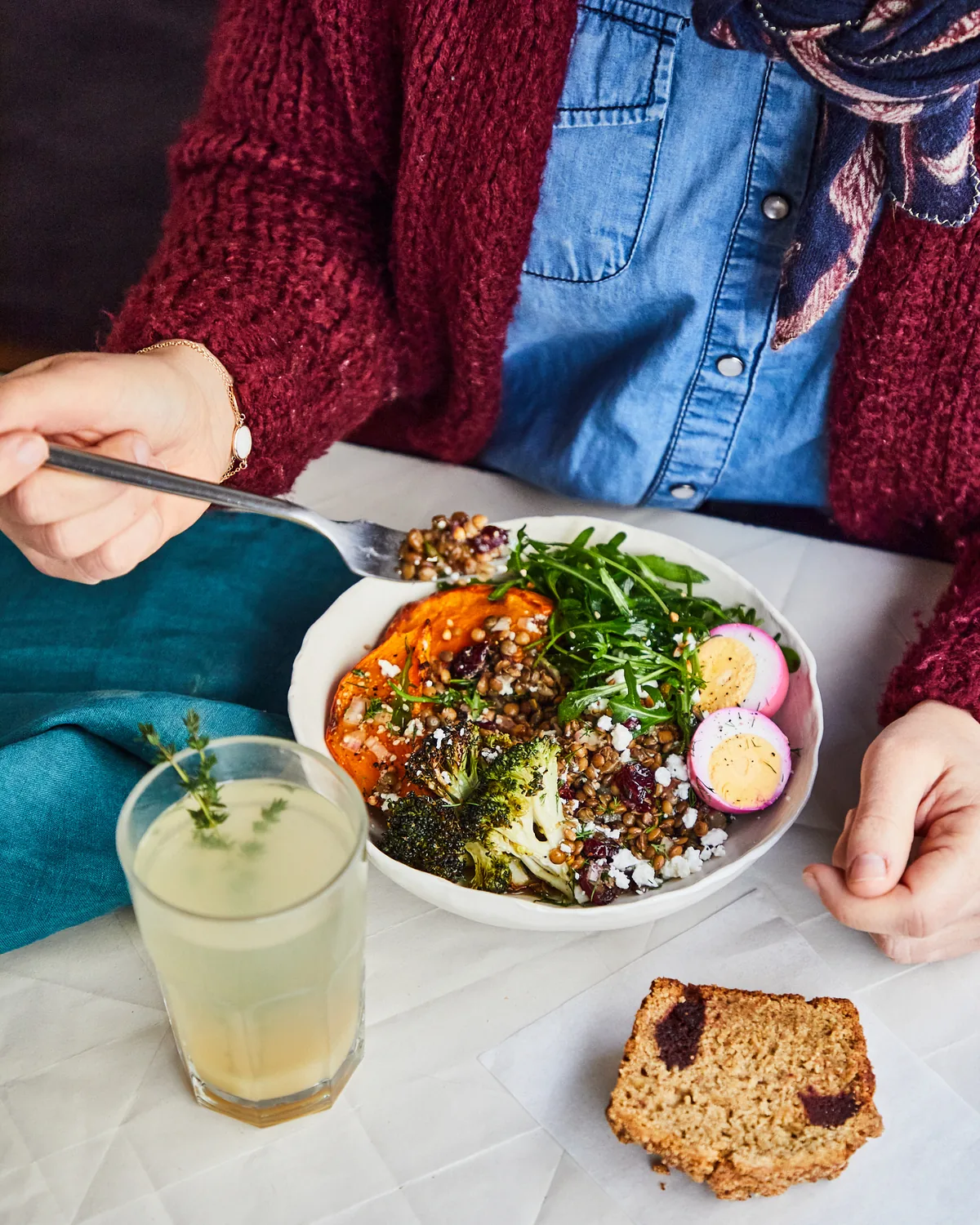
💡 The basics
Brunch is neither a late breakfast nor an early lunch. It’s a meal in its own right, with its own codes, its own window between 10:30 and 14:30, and its characteristic sweet-savory balance.
Mastering the fundamentals of morning nutrition is the first step toward transforming your routine and building lasting vitality.
To get there, you first need to respect your body’s natural rhythms before composing a perfectly balanced plate.
1. Timing and digestion
You can’t build a great breakfast without understanding how your body works when it wakes up. After eight hours of fasting, your system needs fuel — but not just any kind.
Fast sugars will give you a quick lift followed by a crash around 11am. Proteins and fibre, on the other hand, keep your energy steady right through to lunch. The golden rule: wait at least 30 minutes after waking before eating.
Your digestive system needs to wake up too. A glass of warm water with lemon does the job beautifully during that window.
Then build your plate with one third protein, one third complex carbohydrates and one third fruit or vegetables. This isn’t some nutritionist’s fantasy — it’s what genuinely works day to day.
2. The three pillars of a balanced breakfast
First pillar: protein. Eggs, fromage blanc, ham, smoked salmon or scrambled tofu for vegetarians. They keep hunger at bay and ward off mid-morning cravings;
Second pillar: complex carbohydrates. Wholegrain bread, oats, homemade muesli. Forget the shop-bought cereals that contain more sugar than a dessert;
Third pillar: fresh fruit or vegetables. A handful of berries, a banana, cherry tomatoes, avocado mashed onto toast.
This foundation works every single day. You can vary it endlessly according to your mood and your budget. A bowl of porridge with nuts and fruit costs three times less than a branded cereal, and keeps you going until noon without any effort.
Brunch: where breakfast meets lunch
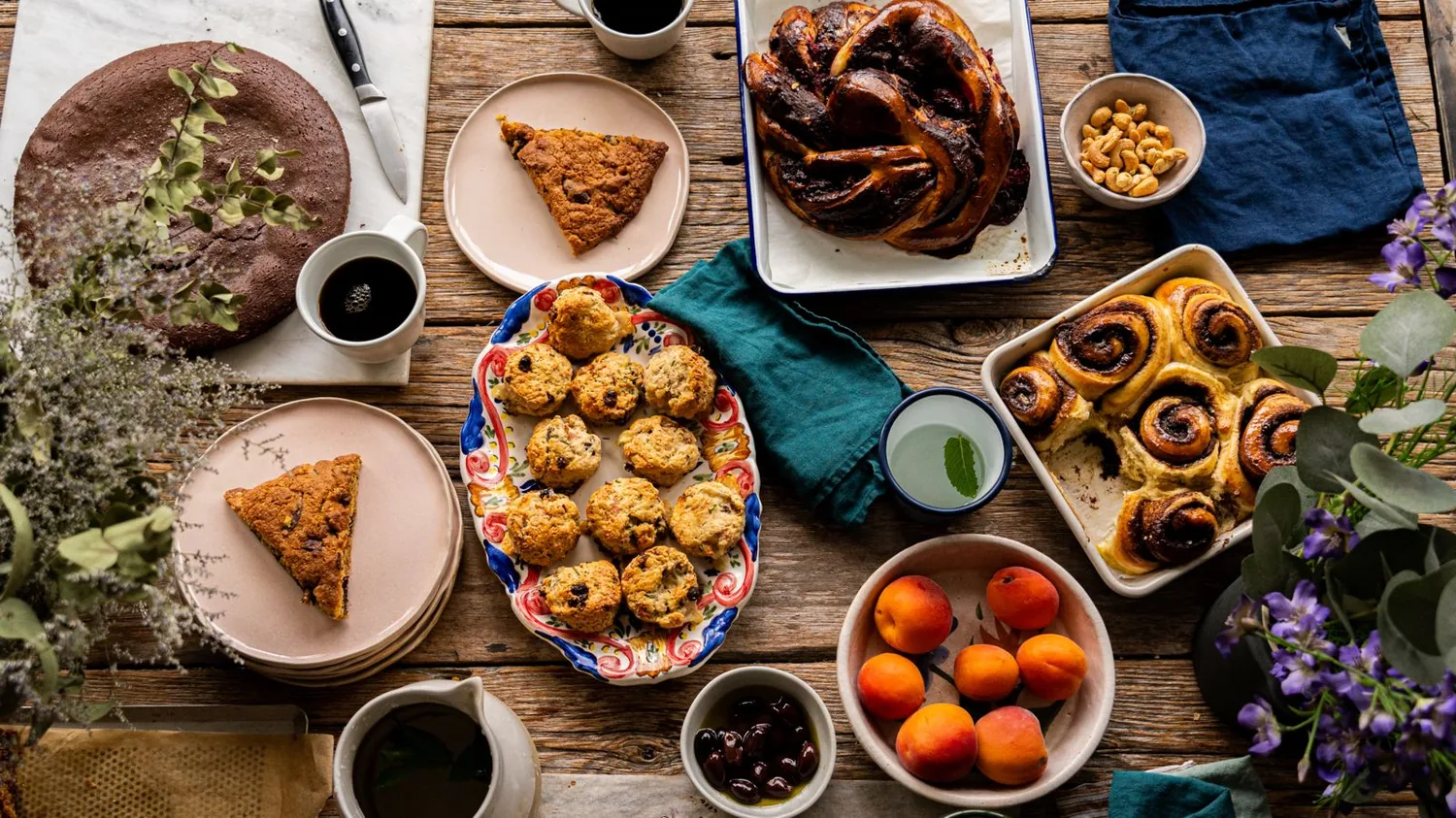
🍳 The Marlette baking mixes tip
For a stress-free brunch at home, Marlette’s organic baking mixes let you whip up coffee shop-worthy recipes in just 10 minutes. Available in store at Les Abbesses and rue des Martyrs.
- Pancake mix for a Sunday brunch
- Chocolate babka mix
- Plain or savoury scone mix
Brunch is not a late breakfast. It’s a meal in its own right that kicks off around 11am and can stretch all the way to 2pm. The idea came from the United States, but we’ve made it entirely our own.
Fewer towering pancakes, more pastries and cheese. The spirit remains the same: you mix savoury and sweet, hot and cold, without overthinking it.
What is the real advantage of a brunch?
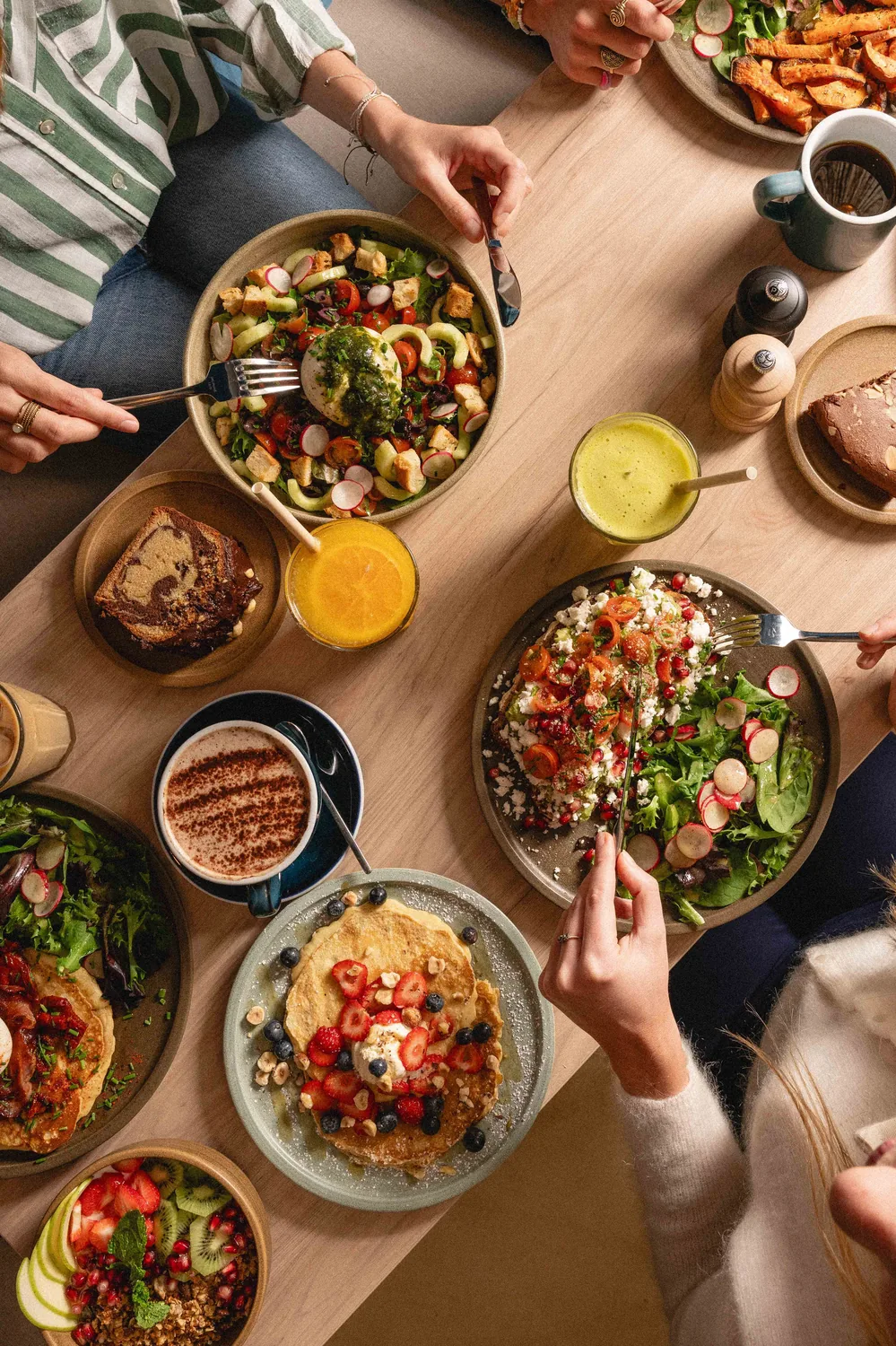
🎉 Hosting tip
For a successful brunch with friends, plan four to five different preparations for six guests. Mix sweet and savoury, allow for two hot drinks and a fresh juice. The secret: prepare everything the evening before and warm it through in the morning.
It lets you entertain without stress. No need to juggle fifteen pots at once as you would for a dinner party. Most preparations can be done ahead of time or served cold.
You can set your table the night before, bake your savoury cakes on the morning itself and bring everything out gradually. Your guests help themselves, graze, come back for more. The atmosphere stays beautifully relaxed.
What are the essentials for a successful brunch at home?
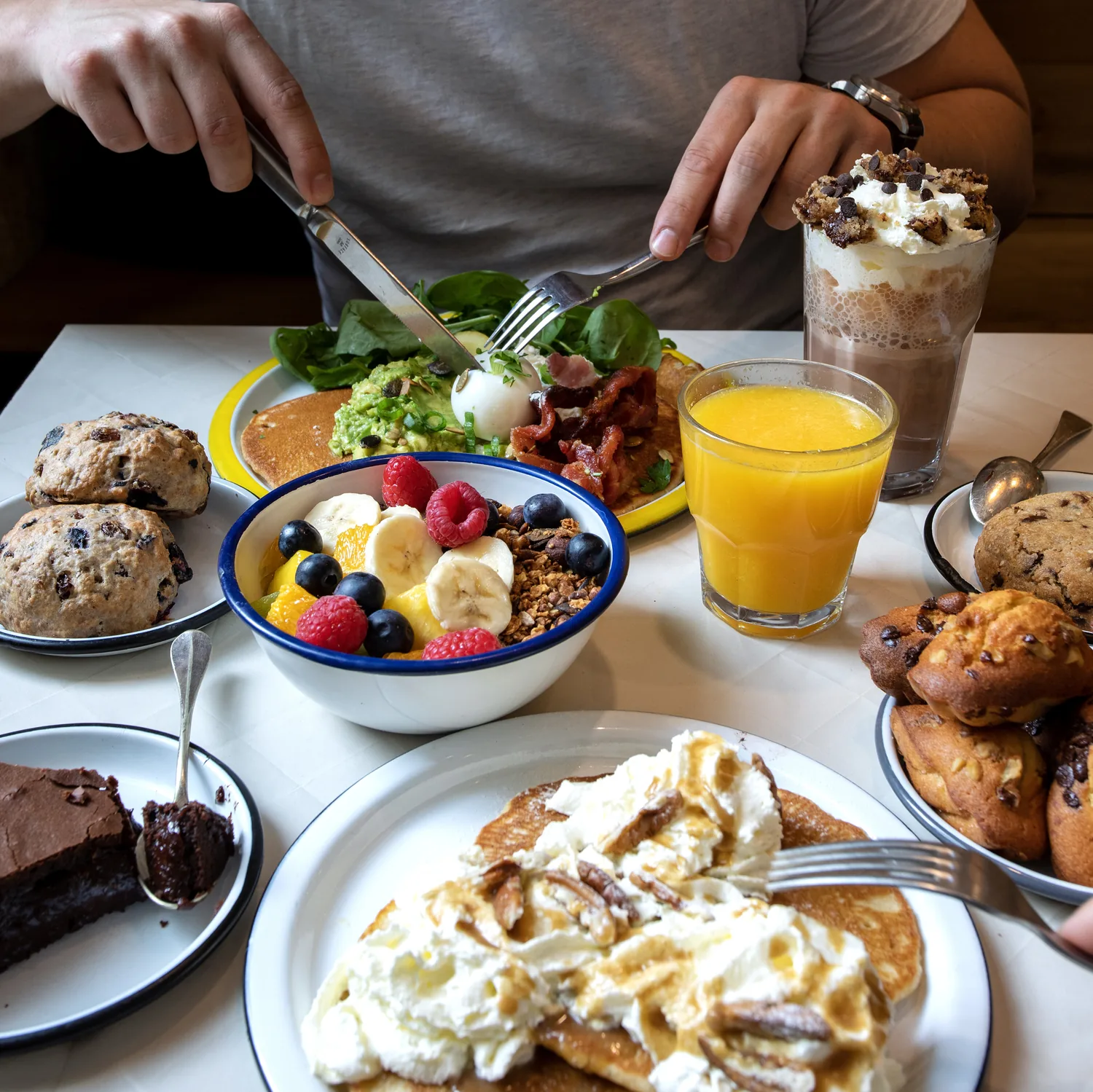
Start with bread. A fresh baguette, a country loaf, a seeded loaf. Allow at least 150g per person. Add pastries: croissants, pains au chocolat, pains aux raisins.
If you have a moment, warm them in the oven for five minutes — it makes all the difference. For savoury recipes, go for creamy scrambled eggs, smoked salmon, slices of cured ham, a few varied cheeses.
On the sweet side, bring out your homemade jams or buy good-quality ones. A jar of nut butter, honey, maple syrup for those who love it. Sweet recipes that never fail: a lemon cake, blueberry muffins, a fresh fruit salad.
And of course, the undisputed stars of any self-respecting brunch: pancakes or waffles. Prepare the batter the night before — all you’ll need to do in the morning is cook them at the last moment.
How do you organise yourself to make your brunch a success?
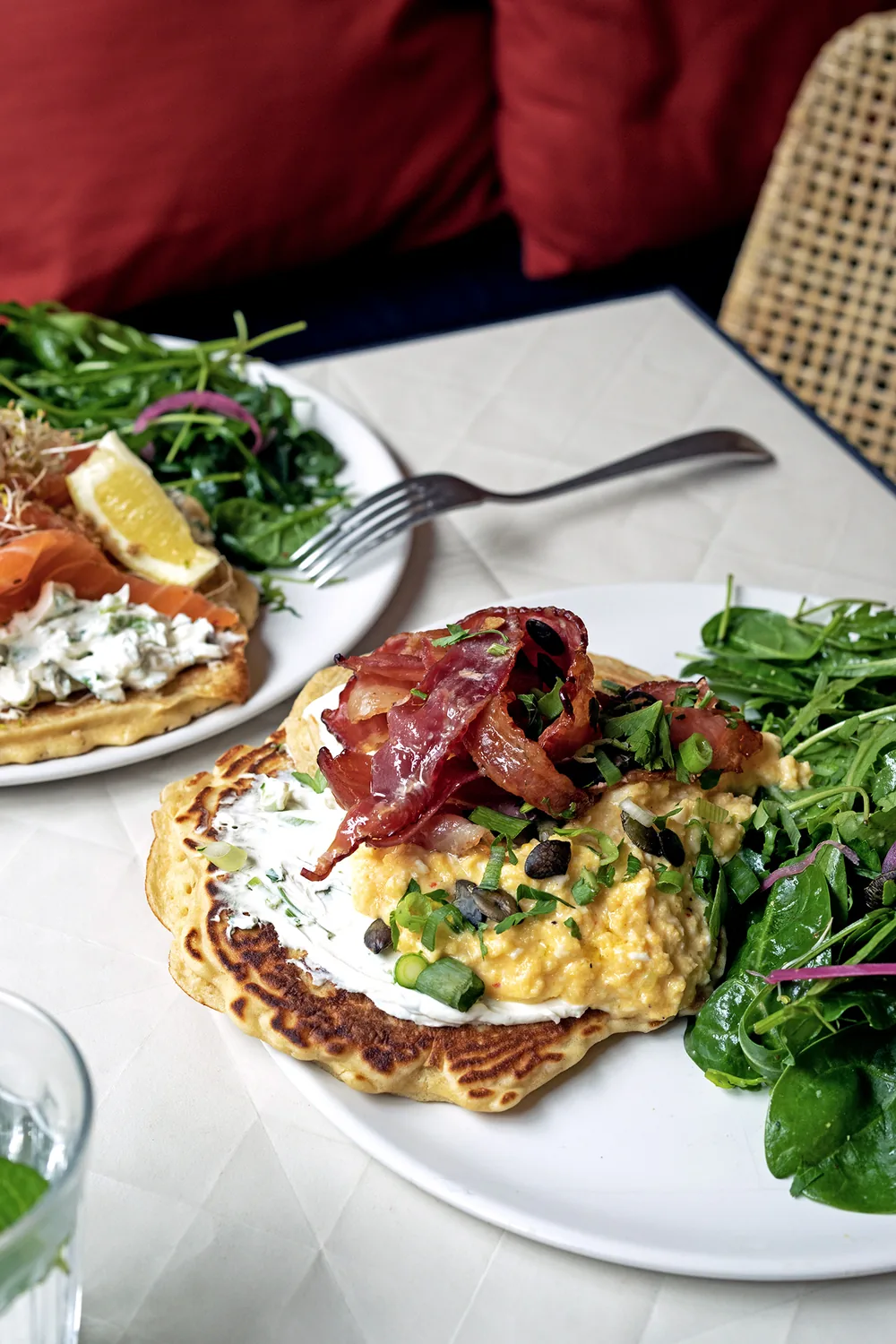
Hosting a brunch calls for anticipation if you want to avoid the stress of a Sunday morning. There’s no room for improvising at 9am when your guests arrive at 11.
The evening before, set your table, get out the crockery, draw up your shopping list. On the morning itself, work through things in this order: coffee, fruit juices, hot preparations, then everything else.
Cook your scrambled eggs over a low heat in a large pan. Allow one and a half eggs per person, add a spoonful of crème fraîche and stir continuously.
The secret to perfect scrambled eggs? Take them off the heat while they’re still ever so slightly underdone. They’ll finish cooking in the residual heat. Keep them warm in a dish covered with foil.
What is the ideal timeline for preparing a brunch to perfection?
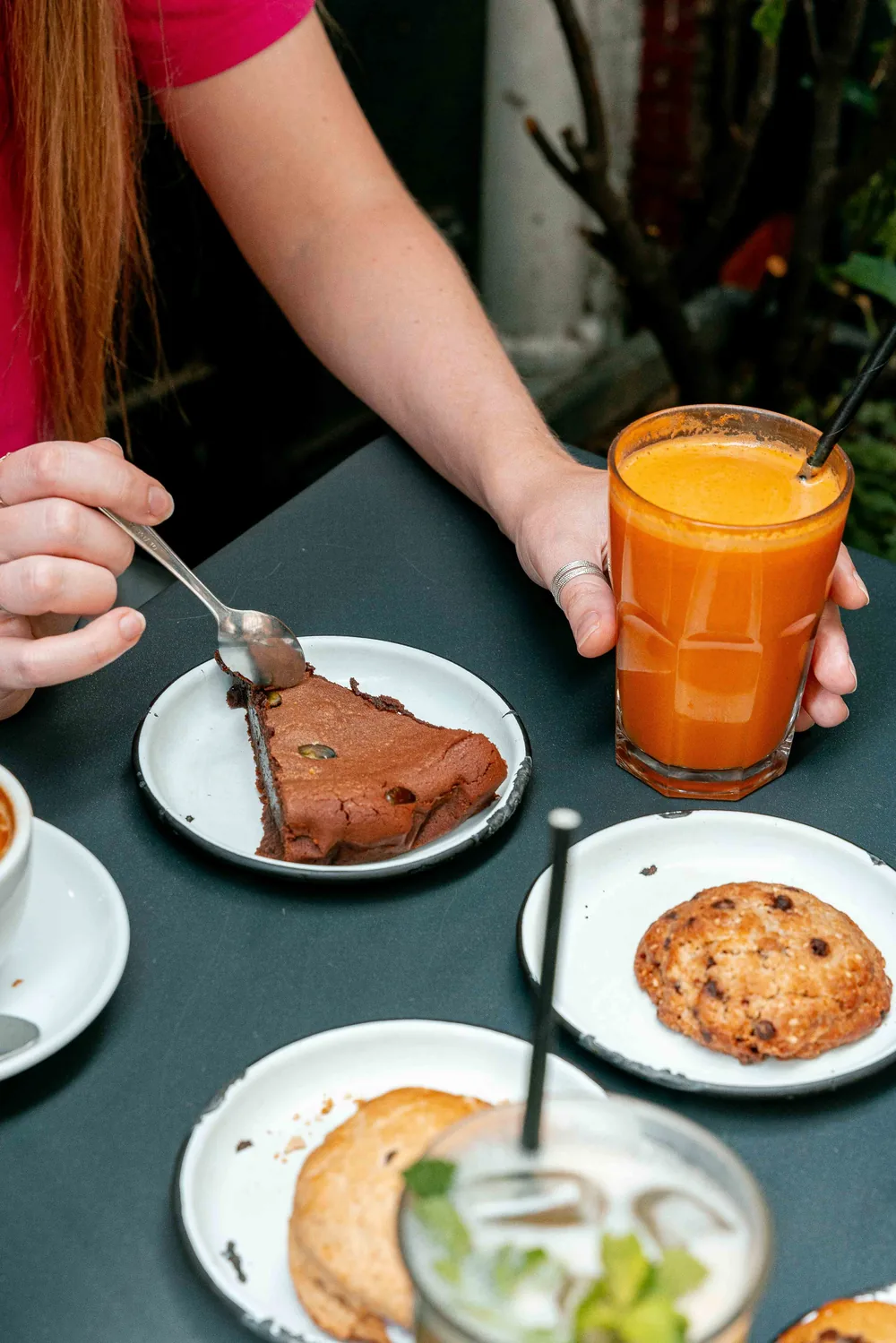
To avoid rushing around the kitchen while your guests are already there, a precise timeline is your greatest ally.
To stay fully in control of your preparations, simply follow this strategic plan that maps out your actions right up until your guests arrive:
At 9am: take your ingredients out of the fridge to bring them to room temperature. Prepare the coffee, press your fresh fruit juices;
At 10am: put your hot preparations in the oven (quiches, savoury cakes). Warm your pastries through;
At 10:30am: arrange your charcuterie and cheese boards, spoon the jams and spreads into pretty little bowls;
At 10:45am: one last check, coffee hot in a thermos — everything is ready.
This approach leaves you 15 minutes to shower and get dressed. Your guests arrive, everything is ready, and you are perfectly at ease. That’s exactly what we’re after.
What are the essential savoury recipes for a great brunch?
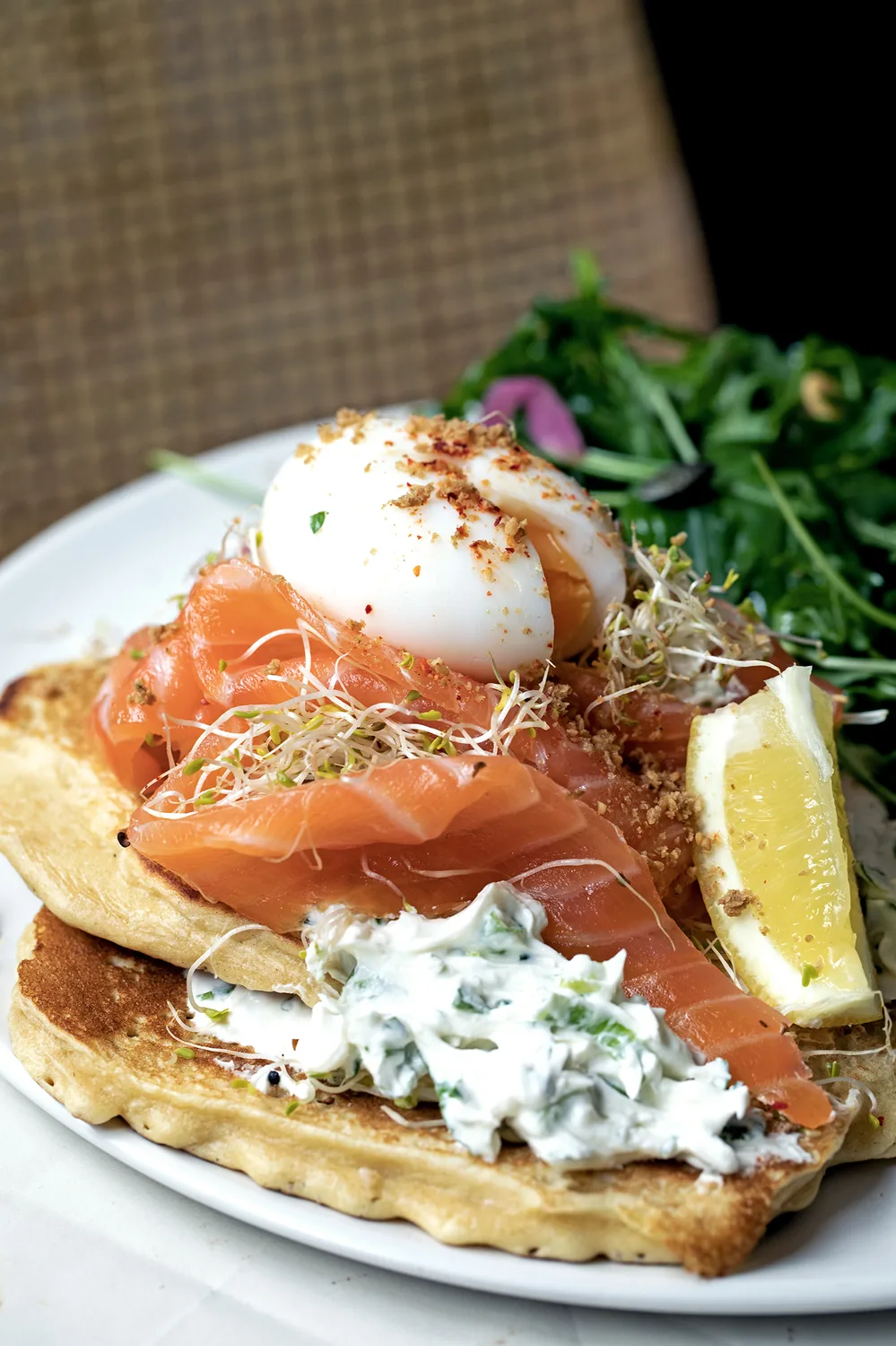
To delight your guests, lean into reimagined classics that bring a touch of indulgence and sophistication to your table.
A. Eggs Benedict
Eggs Benedict remain the star dish of any upscale brunch. They call for a toasted English muffin, a slice of grilled ham, a perfectly poached egg and a glossy hollandaise sauce.
If hollandaise feels daunting, replace it with a béchamel enriched with butter and a squeeze of lemon juice. Less technical, just as delicious.
To nail the poached egg, bring a saucepan of water to a gentle simmer, add a splash of white vinegar, create a swirl with a spoon and slide your egg into the centre. Three minutes on the clock for a perfectly runny yolk.
B. The savoury cake
The savoury cake lends itself to endless variations: lardons, olive and comté; courgette, goat’s cheese and mint; salmon, dill and cream cheese. The base stays the same: 200g flour, 3 eggs, 10cl oil, 10cl milk, half a sachet of baking powder, 200g of your chosen filling.
Mix everything together and bake for 45 minutes at 180°C. You can make it the day before — it keeps for three days in an airtight container.
C. The quiche
The quiche is the centrepiece of the savoury buffet — satisfying, easy to share, and just as good warm as it is cold.
Don’t worry about making homemade shortcrust pastry if time is short. A shop-bought pastry case does the job perfectly well. Roll it out into your tin and prick the base with a fork.
For the filling, beat 3 eggs with 20cl of double cream, season with salt, pepper and a grating of nutmeg. Arrange your chosen ingredients on the pastry base: fried lardons, caramelised onions, sautéed mushrooms, blanched spinach. Pour the custard over the top and bake for 35 minutes at 180°C.
This base works with almost any ingredient. My tip: I always make two different quiches to keep things interesting. One classic Lorraine, one more adventurous with salmon and leeks. It keeps the table lively and gives everyone something to love.
What are the best sweet recipes for a great brunch?
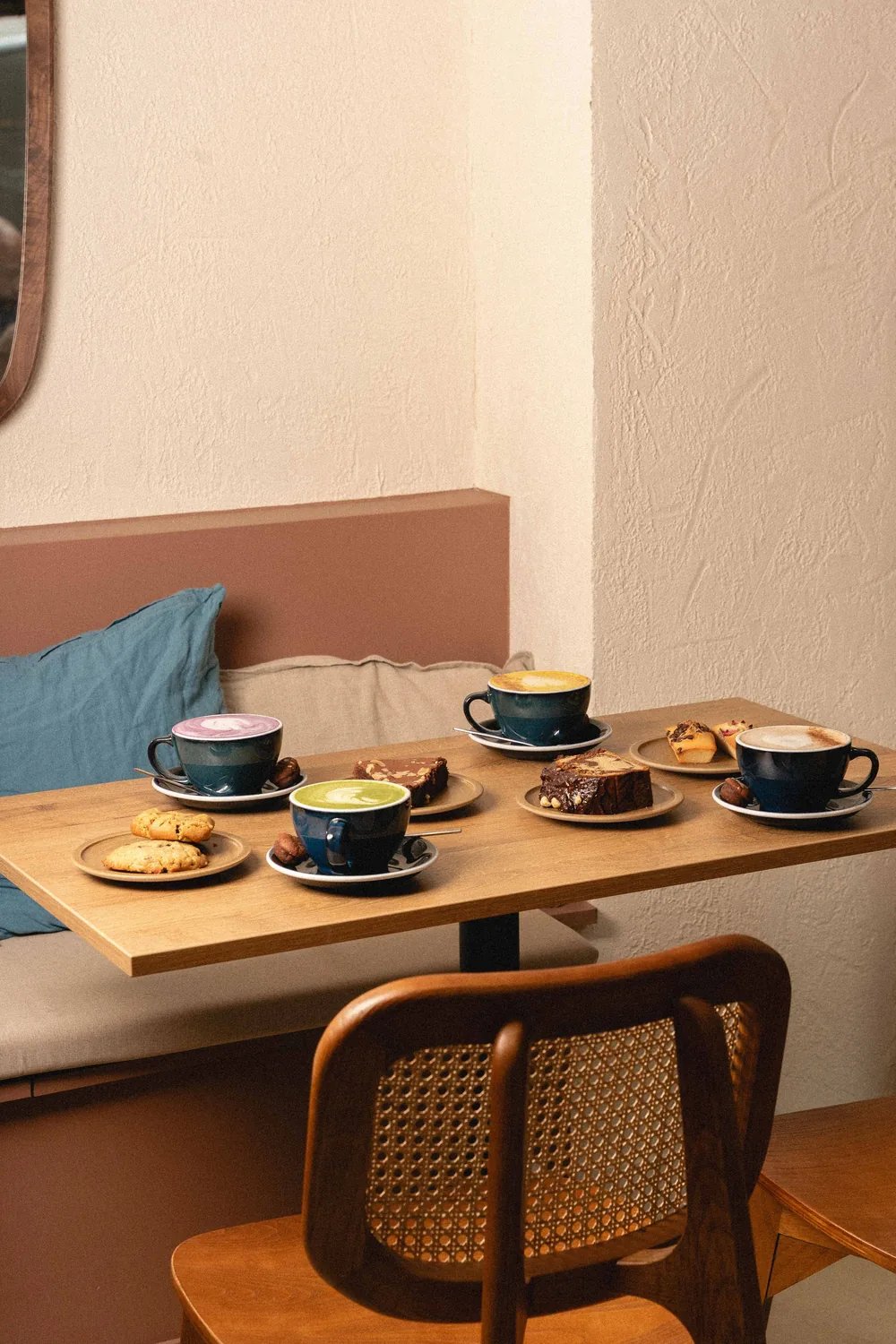
The sweet side is the indulgent heart of any brunch, bringing that essential touch of sweetness to balance the savoury flavours on your table.
D. American pancakes
Truly fluffy American pancakes require a precise technique. Mix 250g of flour with 2 teaspoons of baking powder, a pinch of salt and 2 tablespoons of sugar. In a separate bowl, beat 2 eggs with 30cl of milk and 50g of melted butter.
Fold the wet mixture into the dry without overworking the batter. Lumps? Perfectly normal — leave them. A smooth batter produces flat, rubbery pancakes.
Heat a non-stick pan over a medium heat and grease it lightly. Pour in a ladleful of batter, then wait until bubbles form on the surface before flipping. One minute on each side is all you need.
Stack your pancakes on a plate, drizzle with maple syrup and add a knob of butter to melt between the layers. This recipe yields around 12 pancakes — allow 3 per person.
E. French toast
Pain perdu reimagined as an upscale brunch dish. Use thick-cut sandwich bread or slightly stale brioche. Beat 3 eggs with 15cl of milk, a teaspoon of vanilla extract and a pinch of cinnamon.
Dip your bread slices into the mixture and let them soak for 30 seconds on each side. Cook in a buttered pan for 2 minutes per side over a medium heat.
Serve with icing sugar, fresh berries and maple syrup.
The ultimate version: spread a spoonful of mascarpone between two slices of French toast like a sweet sandwich. It elevates a classic into a restaurant-worthy dessert. This little twist never fails to leave an impression.
What drinks should you offer to do justice to your brunch?
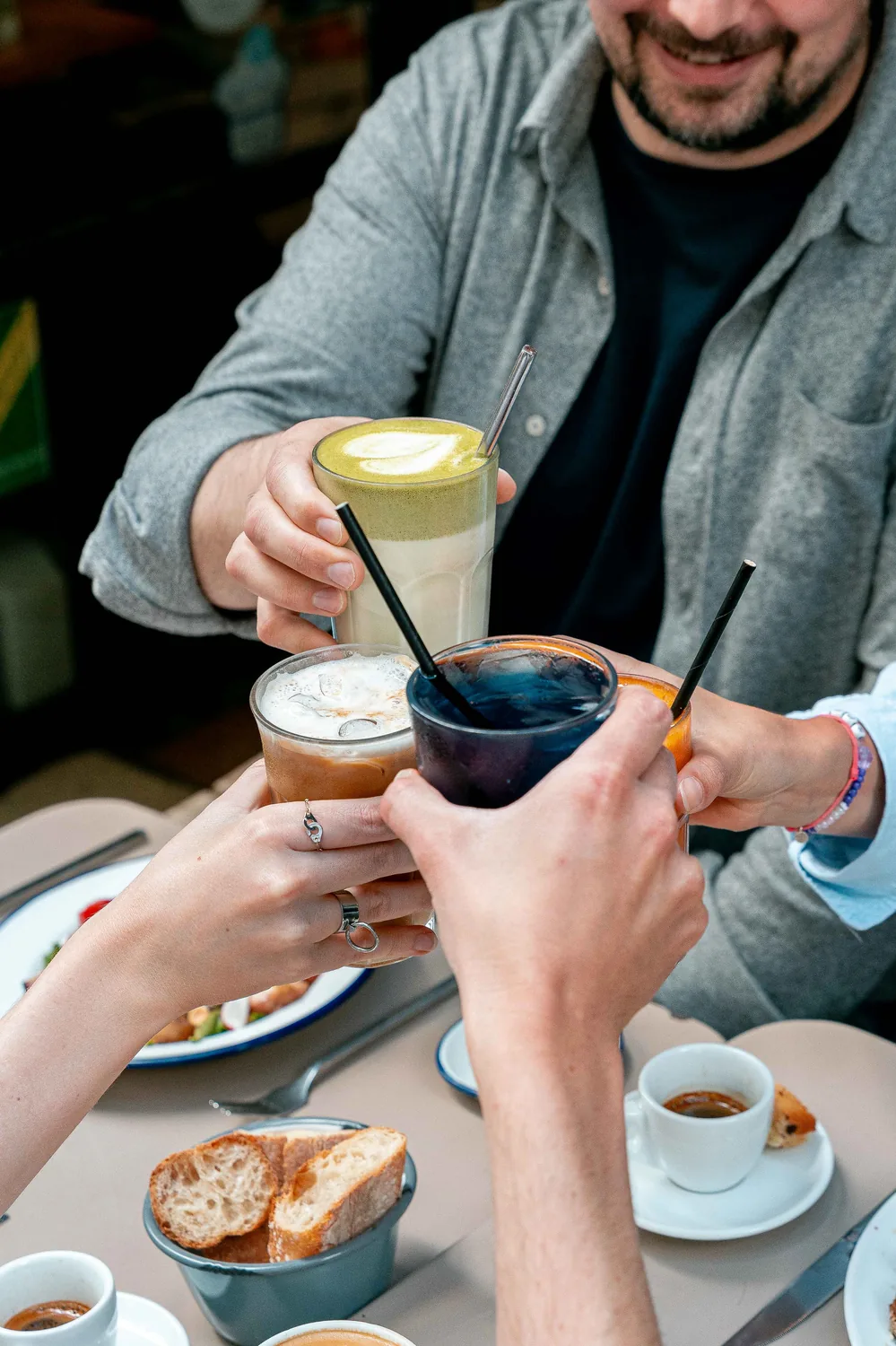
The success of a complete spread depends as much on the dishes as on the drinks that accompany them.
To quench every thirst, it’s essential to offer a varied selection ranging from specialty coffee to fresh juices and other indulgent alternatives.
F. Coffee
Coffee remains the cornerstone of any good breakfast, but please, step away from the watery filter coffee. Invest in a moka pot or a French press. Grind your beans just before brewing.
The difference in flavour more than justifies the extra two minutes. For a brunch, prepare a large thermos of coffee so that everyone can help themselves at their own pace.
G. Fruit juices
Fresh fruit juices transform the experience entirely. Freshly squeezed orange, of course, but try grapefruit-orange, apple-celery-ginger, or carrot-orange for the more adventurous.
A good juicer costs between 50 and 100 euros and pays for itself within three months once you stop buying shop-bought juices laden with added sugar.
H. Tea and alternatives
Offer several varieties of tea: a bold black tea such as English breakfast, a delicate green tea, a fruit infusion for those who prefer to avoid caffeine.
Boil the water in a kettle and serve it separately. Each person can brew their tea to their own taste. The purists among your guests will thank you for it.
For non-coffee drinkers, a homemade hot chocolate always goes down a treat. Heat 50cl of milk with 100g of dark chocolate broken into pieces. Stir until the chocolate has melted completely.
Add a pinch of fleur de sel and a drop of vanilla extract. This simple recipe puts any powdered hot chocolate to shame.
Where and how do you find the best products for your brunch?
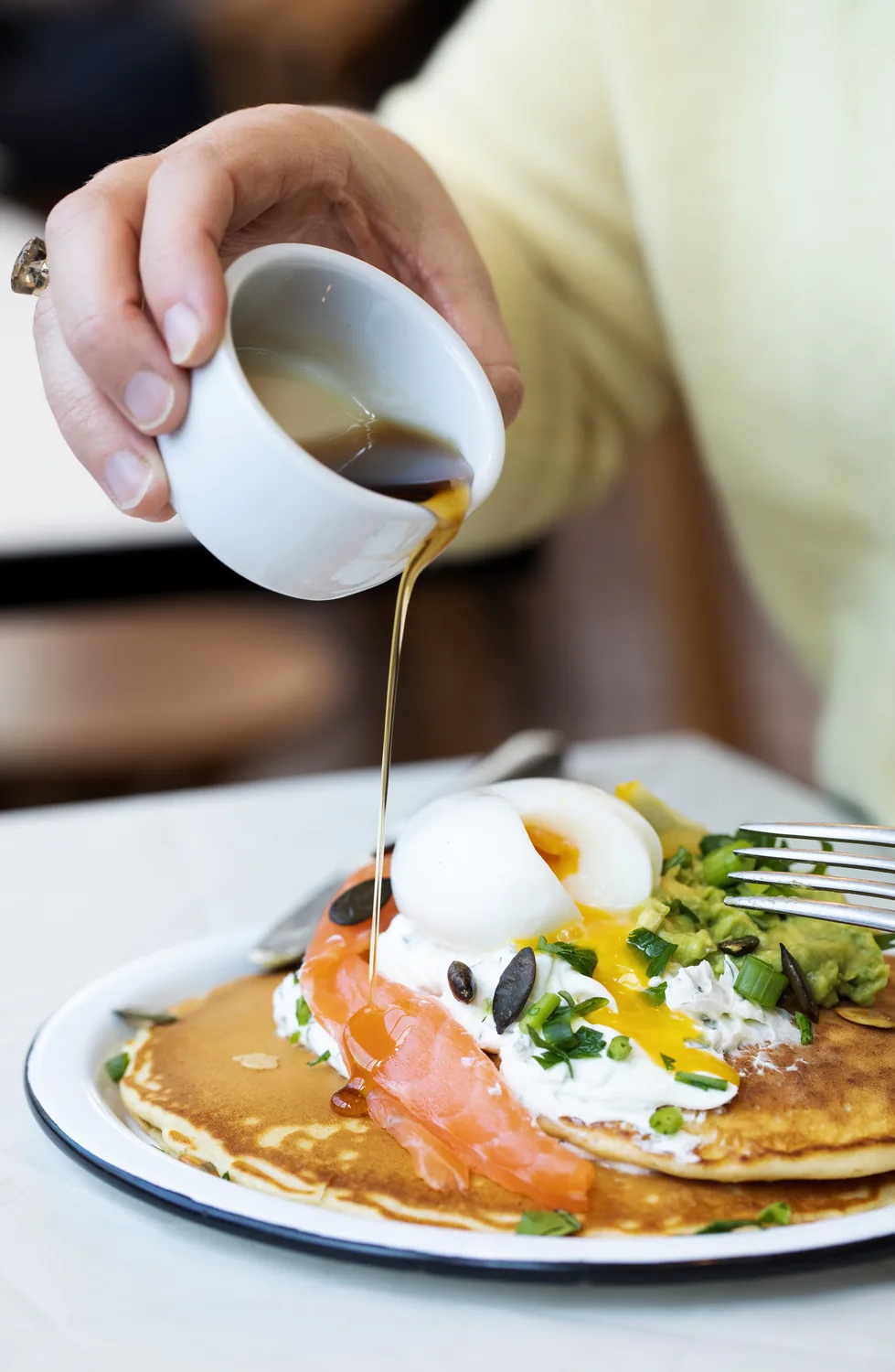
The quality of your ingredients accounts for 50% of your brunch’s success. There’s no need to break the bank, but certain products are worth the extra spend. A good cultured salted butter will completely change the flavour of your toast.
Artisan smoked salmon bears no resemblance to the vacuum-packed industrial slices. Good cured ham announces itself through its melting texture and its complex flavour.
For your shopping, mix your sources. The Sunday morning market for fresh bread, fruit and vegetables. The local deli for cheeses and charcuterie. The supermarket for everything else.
Do bear in mind that certain products like whole coffee beans or olive oil keep well — take advantage of offers to stock up.
What are the store-cupboard essentials for an impromptu brunch?
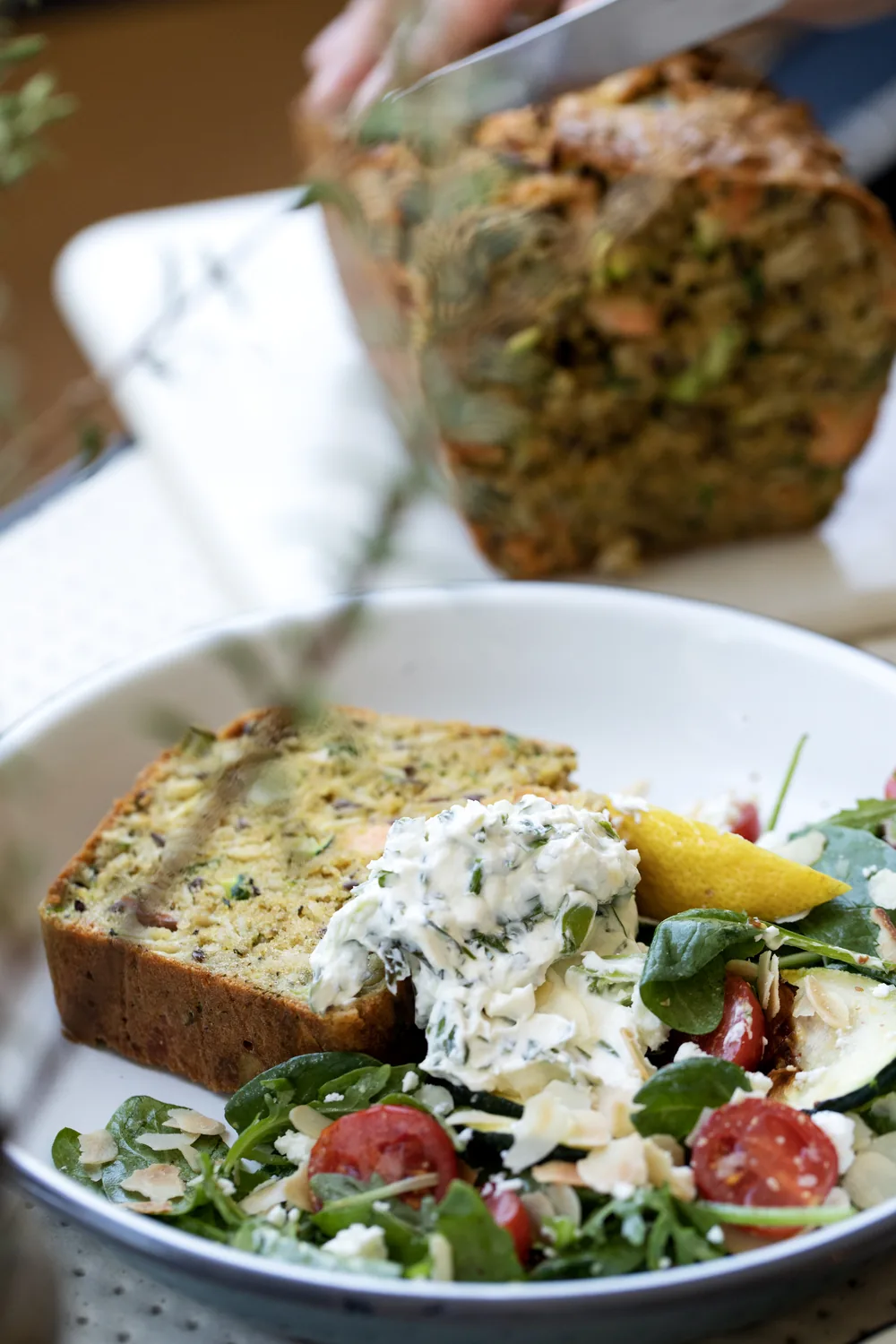
Build yourself a basic stock that lets you pull together a decent brunch even without a shopping run: flour, sugar, baking powder, eggs, butter, milk, coffee, tea.
In your fridge, always keep some fresh cheese, a jar of good jam, maple syrup. In your freezer, a bag of frozen berries and a sheet of puff pastry will save the day.
If you’re looking for a definitive book on the subject, several titles have become references. Recommended by many chefs, these books offer hundreds of adaptable recipes.
Fnac and specialist bookshops regularly feature curated selections on breakfast and morning cooking.
Don’t hesitate to read reviews and reader feedback before investing in a recipe book. Some titles promise the world and disappoint in practice.
What mistakes should you absolutely avoid to make your brunch a success?
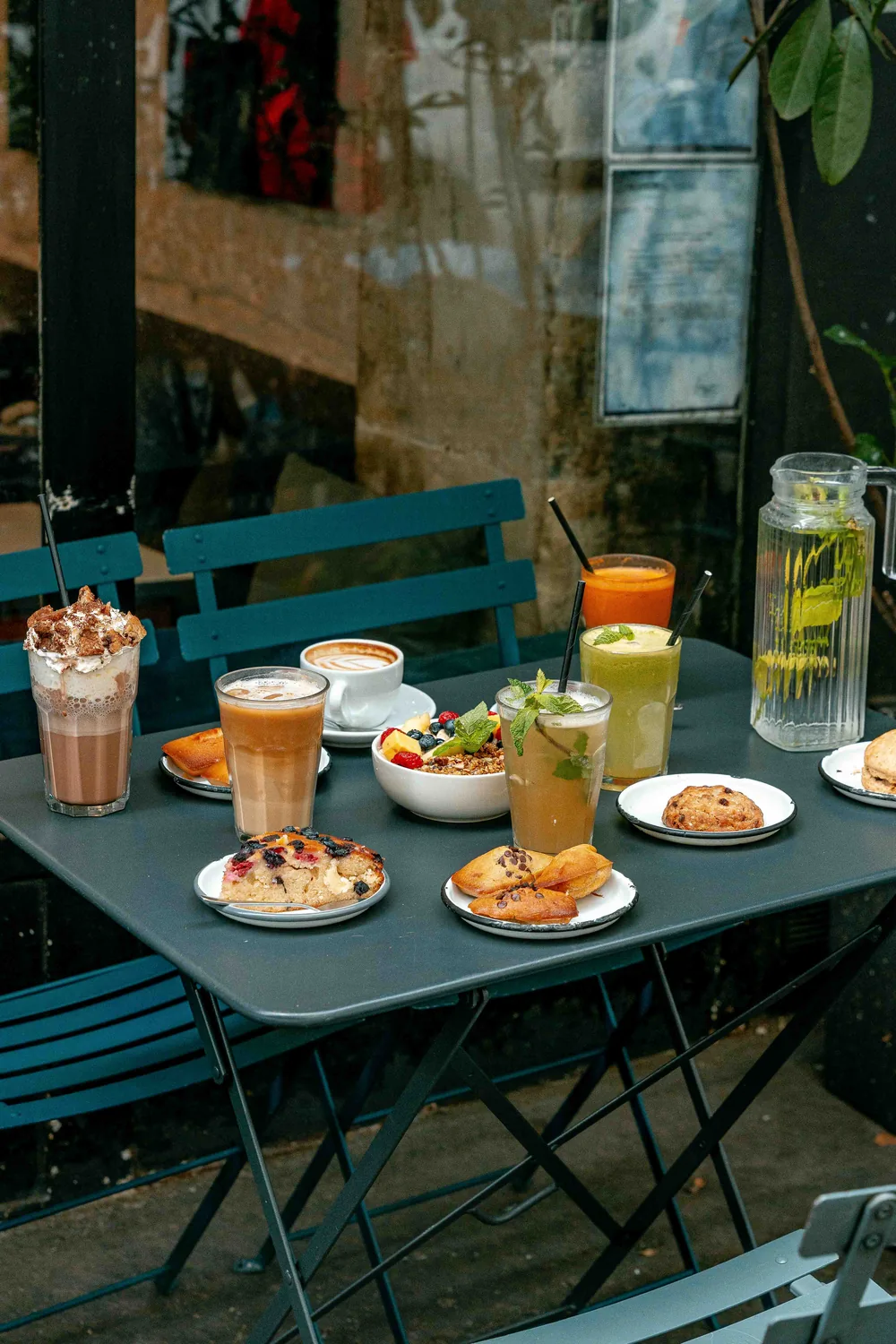
To make your gathering a complete success, it’s essential to anticipate a few classic pitfalls that could otherwise spoil the experience for your guests.
First mistake: trying to do everything on the day. You’ll exhaust yourself and your guests will find you stressed in the kitchen instead of enjoying the moment with them. Prepare as much as possible the evening before;
Second mistake: offering too much choice. Seven or eight different preparations is more than enough. Beyond that, you spread yourself too thin and quality suffers;
Third mistake: neglecting the presentation. We eat with our eyes first. Arrange your preparations on beautiful dishes, add a few fresh herbs for colour, line up your yoghurt verrines with care. It takes just five extra minutes and the effect is guaranteed;
Fourth mistake: forgetting about your guests’ dietary requirements. Ask in advance whether anyone is vegetarian or intolerant to gluten or lactose. Having one or two suitable options prepared saves you from any awkward moments;
Fifth mistake: serving everything cold. Even a brunch needs something hot. Scrambled eggs, freshly made pancakes straight from the pan, a steaming coffee. This interplay of hot and cold gives the meal structure and keeps it from becoming monotonous;
Final mistake: not preparing enough. Always allow around 20% more than you think you’ll need. People eat more at a brunch than they expect, and it’s far better to have leftovers than guests who leave feeling hungry.
Why should you allow yourself to be imperfect at your first brunch?
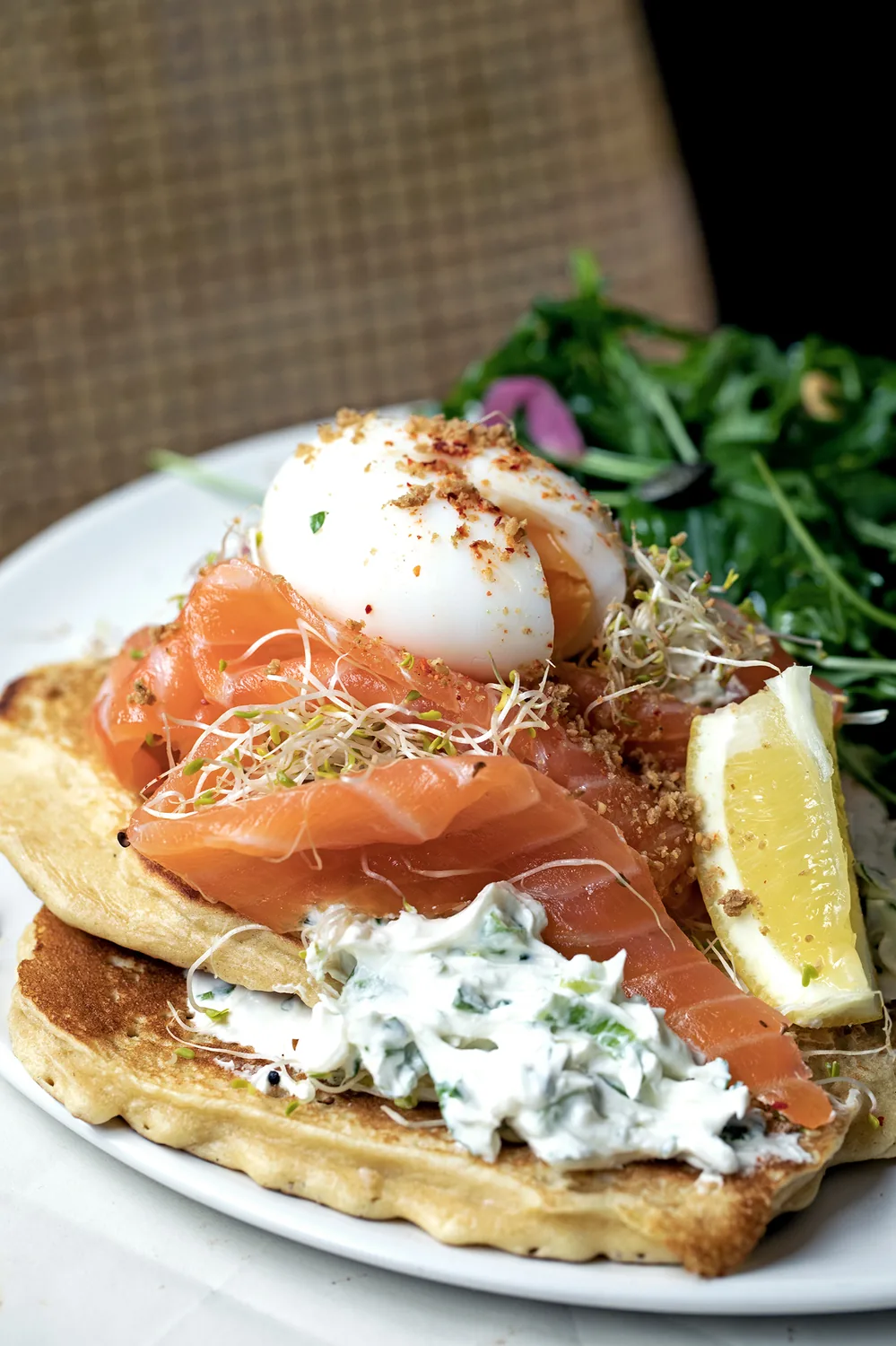
Accept that your first brunch won’t be perfect. That’s completely fine. You’ll forget to season your eggs, burn a pancake, serve the coffee lukewarm. Don’t worry. Your guests won’t mind in the slightest.
What matters is the intention and the atmosphere. Perfection comes with practice. My first brunch was a disaster: an overcooked quiche, flat pancakes, undrinkable coffee. Three years later, I regularly host twelve people without breaking a sweat.
After each brunch, note down what worked and what didn’t. That list becomes your own personal roadmap. You adjust, you refine, you find your style. Some people host sophisticated brunches with salmon and Eggs Benedict.
Others prefer the rustic approach with generous open sandwiches and homemade jams. Both work beautifully. Find the one that feels like you and make it your own.
.marlette-faq { max-width: 1140px; margin: 60px auto; padding: 0 20px; } .marlette-faq h2 { font-family: ‘Lunchbox’, cursive; color: #021c32; font-size: 2em; text-align: center; margin-bottom: 40px; font-weight: normal; line-height: 1.2; } .marlette-faq details { border-bottom: 1px solid #d0d5d2; padding: 22px 0; } .marlette-faq details:first-of-type { border-top: 1px solid #d0d5d2; } .marlette-faq summary { font-weight: 600; font-size: 1.05em; color: #021c32; cursor: pointer; list-style: none; display: flex; justify-content: space-between; align-items: center; padding: 5px 0; } .marlette-faq summary::-webkit-details-marker { display: none; } .marlette-faq summary::after { content: “+”; font-size: 1.6em; font-weight: 300; color: #1863dc; margin-left: 15px; transition: transform 0.2s ease; } .marlette-faq details[open] summary::after { content: “−”; } .marlette-faq details > p { margin-top: 15px; line-height: 1.7; color: #4e4b66; font-size: 0.98em; } .marlette-faq details > p a { color: #1863dc; text-decoration: none; } .marlette-faq details > p a:hover { text-decoration: underline; }FAQ: Our answers to your most common questions about organising a brunch
What is the ideal time window for a brunch?
Brunch traditionally takes place between 11am and 3pm. This allows late risers to enjoy a lie-in while still sitting down to a meal substantial enough to replace lunch.
How many different preparations should you plan?
For a balanced table without spreading yourself too thin, aim for 7 to 8 options. Plan a mix of two savoury dishes, two sweet treats, fresh fruit, good bread and a selection of drinks.
How do you calculate quantities so you don’t run short?
The golden rule is to prepare around 20% more food than you think you’ll need. Allow two eggs per person, two to three pancakes, and approximately 150g of bread or pastries per guest.
Can you host a great brunch without spending the whole morning in the kitchen?
Absolutely. The secret lies in anticipation: prepare your cakes, quiches and pancake batter the evening before. On the morning itself, all that remains is the quick cooking and the finishing touches.
What budget should you set aside for a homemade brunch?
Brunch is very affordable when made at home. Allow between €8 and €15 per person depending on the quality of the ingredients (salmon, artisan charcuterie), compared with €25 to €40 at a specialist venue.
What drinks are absolutely essential to offer?
Lean into variety: a good coffee (in a thermos), a selection of teas, a homemade hot chocolate and at least two fresh juices (freshly squeezed orange and something a little more unexpected).
How do you accommodate different dietary requirements (vegan, gluten-free)?
The trick is to offer adaptable bases. For instance, put out a platter of fresh fruit, plant-based milks for the drinks, and a meat-free savoury option such as a vegetable quiche.
What is the secret to consistently fluffy pancakes?
Don’t overwork the batter and leave the lumps in. A batter that’s too smooth becomes elastic and rubbery when cooked, whereas lumps trap air for a light, airy result.
How do you keep dishes warm throughout the entire service?
Use your oven on a low setting (around 60°C) to keep quiches and pancakes warm. For drinks, insulated carafes are your best allies — they save you endless trips back to the kitchen.
Do you absolutely have to serve eggs?
Eggs are the symbol of brunch, whether scrambled, poached or fried. They provide the protein needed to turn what would otherwise be a light breakfast into a truly satisfying, complete meal.