

There is that 10 o’clock morning light streaming through the window, the scent of freshly roasted coffee mingling with the warmth of flour. In Paris, coffee shops are not simply places where you drink a cup — they are refuges where time slows to a standstill, where you come as much for the cappuccino as for the simple pleasure of breathing. Over the past decade or so, the city has seen a new generation of addresses bloom, transforming the coffee ritual into a way of life. From passionate roasters to baristas who know your name, these places tell another story of Paris — one of mornings without watches and Sundays in a mental pyjama.
Here is our selection of the best Parisian coffee shops, tested neighbourhood by neighbourhood. No hollow superlatives, no Instagram promises — just addresses worth returning to, because the coffee is good and you feel at home.
The essential addresses for specialty coffee in Paris

What is specialty coffee?
Specialty coffee is, above all, a score. The Specialty Coffee Association rates beans out of 100: above 80 points, you enter the realm of the exceptional. This means full traceability — from farm to cup — and roasting methods that honour the bean’s natural aromas. Nothing like the industrial coffee that smells of burnt rubber. Here, we are talking about fruity, floral, chocolatey notes. A great specialty coffee is like a fine wine: it speaks of its terroir.
In Paris, this culture took root gradually. The early pioneers — Coutume leading the way — blazed the trail in the early 2010s. Today, almost every good coffee shop works with local roasters or imports its beans directly. The result? A cup with real character, served by someone who can tell you exactly where it comes from.
The Parisian roasters worth knowing
Behind every great Parisian coffee shop, there is often a local roaster. Belleville Brûlerie (19th arrondissement) is the benchmark: their beans turn up in a good half of the addresses we love. Their approach? Coffees sourced directly from producers, roasted with watchmaker precision. Lomi (also in the 19th) plays in the same league, with a particular attachment to natural fermentations that produce strikingly complex aromatic profiles.
Among the independents, Café Lomi on rue Marcadet also offers a tasting space where you can drink on the spot what they roast that very morning. The smell alone is worth the journey. And if you are looking for a discreet address, KB CaféShop (avenue Trudaine, 9th) roasts its own beans and serves them in a minimalist setting where coffee is king.
💡 Our advice
If you are new to the world of specialty coffee, start with a flat white rather than a straight espresso. The milk softens the edges and lets you better appreciate the coffee’s notes without the bitterness. Once you have found your footing, you can explore single origins in filter or short espresso form.
Coffee shops in the Marais and the 3rd arrondissement

The charm of cobbled lanes
The Marais remains the neighbourhood for Sunday wanderings — and for coffee shops tucked into lanes where you happily lose your way. No big chains here: rather, intimate places, often opened by passionate individuals who threw everything in to build their own address. The density of great cafés per square metre is probably the highest in Paris.
Let us begin with Café Oberkampf, rue Neuve-Popincourt (11th, but a stone’s throw from the 3rd). The place is tiny — a dozen seats at most — but the cappuccino is impeccable and the house cookies vanish before noon. The kind of address where you come with a book on a Saturday morning, hoping to find a spot at the counter.
Two addresses not to miss
In the upper part of the 3rd arrondissement, Fragments (rue des Tournelles) offers Belleville-roasted coffees and a pastry menu that changes every week. The space is bright, with large blond wooden tables where freelancers from the neighbourhood settle in alongside groups of friends coming for brunch. Open Tuesday to Sunday, it closes in the early afternoon — best to go in the morning.
Another gem: La Caféothèque, rue de l’Hôtel de Ville. This is one of the historic addresses for specialty coffee in Paris. Here, they roast on the premises and offer tasting workshops. The owner, Gloria Montenegro, is a living encyclopaedia of coffee. Ask him about the origin of an Ethiopian bean and he will answer with infectious enthusiasm. The place is also a shop — you will find coffee makers, loose beans, and expert advice.
☕ The hidden addresses of the 9th and 10th

Neighbourhoods buzzing with life
The 9th and 10th arrondissements are home to a good share of the new places reinventing the Parisian coffee scene. Here, tourists in search of authenticity rub shoulders with locals coming for their morning fix. The atmosphere is relaxed, prices remain reasonable, and you will often find a terrace where you can rest your croissant.
Holybelly, rue Lucien Sampaix (10th), has become an institution of the Parisian brunch. The coffee is excellent — Belleville roast, naturally — but it is mainly for the thick pancakes and creamy scrambled eggs that people come. At the weekend, expect to queue: the place is a victim of its own success. Our advice? Go on a weekday, around 10am, when calm still reigns.
Along the Canal Saint-Martin
Heading down towards the canal, you cannot miss Ten Belles, rue de la Grange aux Belles. Again, the beans come from Belleville, but it is the atmosphere of the place that makes all the difference: large windows opening onto the canal, brick walls, natural light in abundance. You come for the velvety flat white and for the freedom to settle in with your laptop (outside the lunch rush). The coffee shop is open seven days a week, making it a reliable option even on a Sunday afternoon.
Another under-the-radar address: Fika, rue Dieu (10th). Inspired by Scandinavian coffee shops, Fika bets on simplicity and quality. The coffee is served in pretty ceramic cups, accompanied by kanelbullar (Swedish cinnamon buns) that come out of the oven mid-morning. The place is tiny — around fifteen seats — but you feel immediately at ease.
The best Parisian coffee shops are often packed between 11am and 2pm at the weekend. Aim for weekday mornings or late afternoons to enjoy the space without the hustle.
Parisian baristas know their coffees inside out. Do not hesitate to ask which bean is in the spotlight this week — they will point you in the right direction based on your taste.
If you have the time, order a filter coffee rather than an espresso: you will better appreciate the nuances between a fruity Ethiopian and a chocolatey Colombian.
Matcha latte and alternative drinks: the new wave

Beyond the espresso
Paris no longer swears exclusively by espresso. Over the past two or three years, coffee shops have broadened their menus to include drinks that speak to a clientele seeking novelty — or simply looking to cut back on caffeine. The matcha latte has established itself as the undisputed star of this trend. This powdered Japanese green tea, whisked with plant-based or cow’s milk, offers a gentle, lightly sweet alternative to coffee.
At Marlette, both Parisian addresses (rue des Martyrs and rue des Abbesses) serve an Ube latte that has caused quite a stir: this drink made from Filipino purple yam has a subtle nutty flavour and a wonderfully photogenic colour. You will also find a warming, spiced Chai latte, perfect for chilly mornings. The idea? To offer drinks with genuine wellbeing qualities, without tipping into health-washing territory.
The specialist addresses
If you are a matcha lover, head to Umami Matcha Café, rue des Petits Carreaux (2nd arrondissement). The matcha is imported directly from Japan’s Uji region and prepared with the utmost care. You can drink it straight (hot or iced), as a latte, or even in a culinary version with a matcha fondant that rivals any chocolate cake.
Another address to try: Loustic, rue Chapon (3rd). Their matcha latte is made with oat milk, giving it a velvety texture. The coffee shop also offers a turmeric golden latte — less well known, but equally comforting. Open Monday to Saturday, Loustic closes early (5pm on weekdays, 6pm on Saturdays) — worth keeping in mind if you plan to stop by at the end of the day.
| ☕ Specialty coffee | 🍵 Matcha & alternatives |
|---|---|
| • Complex aromas (fruity, floral, chocolatey) • High caffeine, fast energy boost • Italian heritage reimagined • Served hot, primarily |
• Gentle flavour, lightly sweet • Moderate caffeine, sustained effect • Asian origins (Japan, India) • Available iced as well |
🥐 Coffee shops and homemade pastries: the winning duo

Why pastries matter just as much
A great coffee with nothing to nibble on is like a Sunday without a lie-in: something sweet is missing. The best Parisian coffee shops have understood this well — they no longer settle for croissants bought from the nearest bakery. Many now offer their own pastries, made on the premises or in a dedicated kitchen. Soft cookies, buttery scones, generous cinnamon rolls: these treats transform a simple coffee break into a proper moment of indulgence.
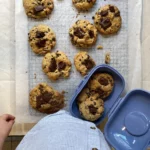
At Marlette (rue des Martyrs, 9th, and rue des Abbesses, 18th), all the baking mixes are organic and made by hand on the Île de Ré: chocolate chip and sesame cookies, chocolate fondant with a salted caramel centre, pecan brownies, scones. The philosophy? No preservatives, no incomprehensible ingredient lists — just flour that smells of wheat and sugar that is not white. People come as much for the specialty coffee as to dip a still-warm cookie into their cappuccino.
The most indulgent addresses by arrondissement
In the 11th arrondissement, Boot Café (rue du Pont aux Choux) makes its own American-style pastries: ultra-moist banana bread, carrot cake with cream cheese frosting, XXL cookies meant for sharing — or not. The coffee comes from Lomi, and the whole thing holds up beautifully. A relaxed atmosphere, a sun-drenched terrace on fine days.
A short walk from République, Season (rue Charles-François Dupuis, 3rd) offers a pastry menu that shifts with the seasons. In winter, scones with candied citrus; in summer, red fruit tartlets. Everything is made in-house, and you can tell. The coffee is from Belleville Brûlerie, served in large cups that you happily bury your nose in before taking a sip.
✅ Worth remembering
The best Parisian coffee shops no longer separate coffee and pastry: one elevates the other. Favour places that make their own treats — the difference is immediately apparent with the very first bite.
The addresses of Montmartre and the 18th: authenticity guaranteed

The bohemian spirit, preserved
Montmartre may be overrun with tourists, but the neighbourhood still holds a few secret addresses where the old bohemian spirit lingers. Here, coffee shops do not play the spectacle card: they bet on simplicity, quality, and that particular light that bathes the sloping lanes. You come to disconnect, to watch Parisian life from a terrace, to drink a coffee while the world walks by.
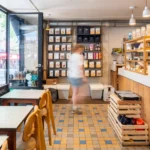
Marlette Abbesses (45 rue des Abbesses, 18th) embodies this spirit perfectly. The place breathes quiet ease: large wooden tables, natural light flooding through the windows, neighbourhood regulars coming for their morning flat white. Specialty coffees, fresh juices, and Marlette’s celebrated organic baking mixes are all on offer. The pancakes, available exclusively at this address, disappear before noon on weekends. No reservations — you come on instinct, and wait cheerfully if need be.
Other gems in the 18th
A few streets away, Soul Kitchen (rue Lamarck) offers a vegetarian menu and Lomi-roasted coffees. The place is tiny, with a handful of seats inside and a few chairs on the pavement. People come for the creamy matcha latte and the balanced lunchtime bowls. A zen atmosphere, soft music, and that rare feeling of not being in a hurry.
More discreet still: Hardware Société, also on rue Lamarck. This Australian-inspired coffee shop serves generous brunches and impeccable coffees. The house speciality? The velvety flat white, prepared with milk foam so fine it resembles silk. Open Wednesday to Sunday, the place is often full at the weekend — best to go on a weekday if you dislike waiting.
Coffee shops in the 1st arrondissement: understated elegance

Between the Louvre and the Palais-Royal
The 1st arrondissement is not the first neighbourhood that comes to mind when searching for a great coffee shop. Too touristy, too expensive, too stiff. Yet there are a few addresses that escape this caricature — places where locals come for their morning coffee before heading to the office.
Telescope, rue Villedo, is one of these gems. Tiny (around ten seats), the café roasts its own beans and serves them with goldsmith precision. No wifi, no laptops allowed: here, you come for the coffee, full stop. The atmosphere is monastic, almost meditative. The barista prepares each cup as though it were the last. Open Monday to Friday only, Telescope closes in the early afternoon.
Rue Montorgueil and surroundings
Over by rue Montorgueil, Strada Café (rue Montorgueil, 2nd, but a stone’s throw from the 1st) offers specialty coffees and a fine selection of pastries. The space is bright, with large windows looking onto the pedestrian street. You settle in to watch the ballet of passers-by, cup in hand. Open seven days a week, it makes a reliable fallback on Sundays when everything else is closed.
Another address to keep in mind: Coutume Café, rue de Babylone (7th, but the spirit is worth the detour). It is one of the pioneers of specialty coffee in Paris. The space is vast and industrial, with a roasting workshop visible from the room. You come as much for the coffee as for the place itself. At the weekend, Coutume offers a generous brunch that draws both locals and visitors alike.
🌿 Coffee shops with a terrace: making the most of fine days

The art of drinking your coffee outside
In Paris, a sun-drenched terrace transforms even an average café into a desirable destination. The best coffee shops know it well: at the first hint of sunshine, chairs appear on the pavement and you can finally drink your latte in the open air. No need for a spectacular view — just a patch of pavement, a ray of light, and the fleeting impression of being on holiday on a Tuesday morning.
At Marlette Martyrs (51 rue des Martyrs, 9th), the terrace looks out onto one of the neighbourhood’s most pleasant streets. You sit down with a cappuccino and a cookie, and watch the locals go about their day. No wifi here either between 11.30am and 2.30pm at the weekend — a gentle reminder that coffee is also the art of doing nothing in particular.
A terrace selection by neighbourhood
- Ten Belles Bread (rue Bréguet, 11th): terrace facing the Canal de l’Ourcq, ideal for a sunny brunch. Belleville coffee and homemade pastries.
- La Fontaine de Belleville (rue Juliette Dodu, 10th): large shaded terrace, perfect for summer afternoons. Fresh juices and smoothies alongside the coffee menu.
- Crèmerie (rue des Quatre-Vents, 6th): a very small terrace, but charming. Lomi coffee and seasonal pastries.
- Dose (rue Mouffetard, 5th): terrace on the pedestrian street, a lively atmosphere. Australian-style coffee, generous brunch, velvety matcha latte.
In summer, these terraces are often full by 11am. The smart move? Go in the late afternoon (around 4–5pm), when the crowds thin out and the light turns golden.
15 min
That is the average time to savour a coffee on a Parisian terrace in peace — no laptop, no phone, just the street and you.
Coffee shops and brunch: the weekend addresses

Why brunch in a coffee shop
The Parisian brunch was long synonymous with endless queues, thirty-euro set menus, and packed rooms where conversation was drowned out. Coffee shops have changed the game: they offer more accessible brunches, often à la carte rather than a fixed formula, in a less regimented atmosphere. You come to eat at your own pace, order exactly what you want, and leave without breaking the bank.
At Marlette, brunch is a weekend ritual. No reservations — the idea is to preserve that spontaneous spirit. You push open the door, wait a few minutes if needed, and settle in for a moment unlike any other. On the menu: creamy scrambled eggs, avocado toast, seasonal salads, and of course Marlette’s celebrated organic baking mixes. All accompanied by a specialty coffee or an Ube latte if you prefer to skip the caffeine.
Other brunch addresses to remember
Holybelly (rue Lucien Sampaix, 10th) remains a safe bet, despite the crowds. The pancakes are thick and fluffy, the portions generous, and the coffee impeccable. Open Wednesday to Sunday, with continuous service from 9am to 4pm. Plan to arrive early or be prepared to wait — the success shows no sign of waning.
Café Craft (rue des Vinaigriers, 10th) offers a vegetarian brunch that changes each week. Colourful bowls, inventive toasts, seasonal pastries: everything is fresh and made on the premises. The coffee comes from Belleville, and you can even buy beans to take away if you liked what you drank.
In the 11th arrondissement, Hardware Société (rue Lamarck, 18th) serves an Australian-inspired brunch with perfect poached eggs and smashed avocados that make all others forgettable. Open Wednesday to Sunday, the place is often fully occupied — a telling sign.
New coffee shops to watch in 2025

The Parisian scene never sleeps
Paris continues to welcome new addresses every month. Some vanish quickly; others settle durably into the landscape. Here are a few recent coffee shops worth a visit — even if they have not yet built the track record of the old hands.
Nuage (rue des Abbesses, 18th) opened at the end of 2024. The concept? A Japanese coffee shop blending specialty coffee and Tokyo-inspired pastries. You will find sandos (incredibly soft Japanese sandwiches), carefully prepared matcha lattes, and a zen atmosphere that makes a welcome change from noisier spots. Open every day, Nuage closes early (6pm) — worth keeping in mind.
In the 10th, Kouto (rue de Marseille) focuses on Ethiopian coffee and East African pastries. The place is very small, but the welcome is warm and the coffees are astonishing. If you have never tried a natural Ethiopian coffee (without milk), this is your moment: the floral and fruity aromas are genuinely surprising.
Projects on the horizon
For Marlette, the ambition is clear: to open more coffee shops in Paris and in other cities across France. The goal? To spread this philosophy of joyful slowing down, where you come as much for the coffee as for the art of taking your time. The two existing addresses (Martyrs and Abbesses) serve as a laboratory — every piece of customer feedback, every menu adjustment, every new recipe feeds into the thinking for future spaces.
Elsewhere in Paris, several projects are taking shape for 2025: a coffee shop-bookshop in the 13th, a hybrid café-florist in the 20th, and a roasting house with a tasting space in the 15th. The Parisian scene is far from saturated — every neighbourhood deserves its own refuge where you can drink a great coffee.
How to recognise a great coffee shop: our criteria

The quality of the coffee, obviously
The first criterion, the most obvious: the coffee must be good. This means a local or artisan roast, freshly ground beans, and a barista who knows what they are doing. A good indicator? Ask where the coffee comes from. If the barista answers with precision — name of the roaster, origin of the bean, extraction method — you are in the right place. If they hesitate or give you a vague spiel, move on.
A great specialty coffee should never be bitter or burnt. Excessive bitterness is a sign of over-extraction or too heavy a roast. A well-made espresso reveals complex notes — chocolate, caramel, red fruit depending on the origin. A successful cappuccino has velvety milk foam, never dry or too thick. And a flat white, if made properly, resembles liquid silk.
Atmosphere and service
A coffee shop is more than just a cup. It is also a place where you feel at ease. Natural light matters enormously — large windows, pale walls, green plants create a soothing atmosphere. The ambient sound level should remain bearable: soft music, murmured conversations, no blaring television or aggressive playlist.
Service makes all the difference. A great coffee shop is one where the server knows your name after three visits, where the barista asks if you enjoyed the new Ethiopian bean, where someone smiles at you even on a rainy Monday morning. No need for grand declarations — just genuine attention, without it tipping into forced familiarity.
| ✅ Signs of a great coffee shop | ❌ Red flags to watch for |
|---|---|
| • Locally roasted coffee (Belleville, Lomi, Coutume) • Barista who explains the bean’s origin • Carefully steamed milk (fine foam, latte art) • Homemade or artisan pastries • Abundant natural light • Warm welcome, without being forced |
• Consistently bitter or burnt coffee • Unknown or vaguely described “house” bean • Dry or overly thick milk foam • Industrial pastries in plastic wrap • Cold or insufficient lighting • Hasty or indifferent service |
Planning your visit: practical advice

When to go to avoid the crowds
The best Parisian coffee shops are often victims of their own success. At the weekend, expect to queue between 11am and 2.30pm — that is the brunch peak. If you dislike waiting, opt for weekday mornings (8–10am) or late afternoons (4–6pm). At those hours, you will have your pick of seats and more attentive service.
Some coffee shops close between 3pm and 5pm to clean up and prepare for the evening. Check the opening hours before making the journey — nothing is more frustrating than crossing Paris to find the door shut. Most places update their hours on Instagram or Google Maps.
Budget to expect
Expect to pay between €4 and €6 for a cappuccino or flat white at a good Parisian coffee shop. A straight espresso generally costs between €2.50 and €3.50. Alternative drinks (matcha latte, Ube latte, Chai latte) run from around €5 to €7. For brunch, budget between €12 and €20 per person depending on the address and what you order.
Homemade pastries cost between €3 and €5 each — cookies, scones, brownies. Complete brunch menus (savoury + sweet + drink) range from €18 to €28. It is more expensive than a coffee and croissant at the counter, but the quality justifies the price. And the atmosphere is often worth as much as what is on the plate.
💡 Our advice
If you want to try several addresses without spending a fortune, start by ordering a simple espresso or a filter coffee. This will let you judge the quality of the coffee without spending €6 on a latte that masks the aromas. Once you have found your favourite spots, you can explore their full menu.
Frequently asked questions
Which is the best neighbourhood in Paris for finding a great coffee shop?
The 10th arrondissement has the highest concentration of quality coffee shops, particularly around the Canal Saint-Martin (Ten Belles, Holybelly, Fika). The 9th and 3rd arrondissements also offer excellent addresses, often less touristy. Montmartre (18th) still holds a few authentic gems like Marlette Abbesses. Every neighbourhood has its own character — the best approach is to try several and find the one that suits you.
What is the difference between a cappuccino and a flat white?
A cappuccino contains roughly one third espresso, one third hot milk, and one third thick milk foam. The flat white, of Australian origin, is made with a double espresso and very finely steamed milk (microfoam), without the thick layer of foam you find in a cappuccino. The result is a silkier drink where the coffee flavour comes through more strongly. If you love intense coffee softened by milk, go for the flat white.
Do Parisian coffee shops allow you to work on a laptop?
It depends on the place and the time of day. Many coffee shops tolerate laptops on weekdays during quieter hours, but ask customers to put them away during the lunch rush and at weekends (generally 11.30am–2.30pm). At Marlette, for example, laptops are not permitted during those slots. Some places, like Telescope (1st), simply have no wifi at all, to preserve the atmosphere. Check beforehand or simply observe what the other customers are doing.
Can you brunch at a coffee shop without a reservation?
Most Parisian coffee shops do not take reservations during brunch hours — this is the case at Marlette, Ten Belles, Holybelly, and many others. The idea is to preserve a spontaneous spirit and not to hold tables for hours. At the weekend, expect to wait between 10 and 30 minutes at peak times. Our advice: arrive early (before 10am) or come in the late afternoon, when the crowds have thinned. Tables can be booked from 3 to 5 p.m. at reservation@marlette.fr.
Which coffee shops offer plant-based milk options (oat milk, almond milk)?
Almost all good Parisian coffee shops now offer plant-based milks: oat milk (the most common), almond milk, and sometimes soy or coconut milk. At Marlette, Loustic, Ten Belles, Holybelly, and most addresses in our selection, you will find at least two plant-based options. Oat milk has become the standard in specialty coffee — its texture is close to cow’s milk and it steams easily into a good foam. Expect a surcharge of €0.50 to €1 compared to regular milk.
Where can you find a great matcha latte in Paris?
For a quality matcha latte, head to Umami Matcha Café (2nd arrondissement), which imports its matcha directly from Japan. Loustic (3rd) and Marlette (9th and 18th) also offer excellent matcha lattes, prepared with oat milk for extra creaminess. Fika (10th) and Dose (5th) are also among the good addresses. Make sure the matcha is whisked with care — a great matcha latte should be creamy, lightly sweet, with no excessive bitterness or lumps.
{
“@context”: “https://schema.org”,
“@type”: “FAQPage”,
“mainEntity”: [
{
“@type”: “Question”,
“name”: “Which is the best neighbourhood in Paris for finding a great coffee shop?”,
“acceptedAnswer”: {
“@type”: “Answer”,
“text”: “The 10th arrondissement has the highest concentration of quality coffee shops, particularly around the Canal Saint-Martin (Ten Belles, Holybelly, Fika). The 9th and 3rd arrondissements also offer excellent addresses, often less touristy. Montmartre (18th) still holds a few authentic gems like Marlette Abbesses. Every neighbourhood has its own character — the best approach is to try several and find the one that suits you.”
}
},
{
“@type”: “Question”,
“name”: “What is the difference between a cappuccino and a flat white?”,
“acceptedAnswer”: {
“@type”: “Answer”,
“text”: “A cappuccino contains roughly one third espresso, one third hot milk, and one third thick milk foam. The flat white, of Australian origin, is made with a double espresso and very finely steamed milk (microfoam), without the thick layer of foam you find in a cappuccino. The result is a silkier drink where the coffee flavour comes through more strongly. If you love intense coffee softened by milk, go for the flat white.”
}
},
{
“@type”: “Question”,
“name”: “Do Parisian coffee shops allow you to work on a laptop?”,
“acceptedAnswer”: {
“@type”: “Answer”,
“text”: “It depends on the place and the time of day. Many coffee shops tolerate laptops on weekdays during quieter hours, but ask customers to put them away during the lunch rush and at weekends (generally 11.30am–2.30pm). At Marlette, for example, laptops are not permitted during those slots. Some places, like Telescope (1st), simply have no wifi at all, to preserve the atmosphere. Check beforehand or simply observe what the other customers are doing.”
}
},
{
“@type”: “Question”,
“name”: “Can you brunch at a coffee shop without a reservation?”,
“acceptedAnswer”: {
“@type”: “Answer”,
“text”: “Most Parisian coffee shops do not take reservations during brunch hours — this is the case at Marlette, Ten Belles, Holybelly, and many others. The idea is to preserve a spontaneous spirit and not to hold tables for hours. At the weekend, expect to wait between 10 and 30 minutes at peak times. Our advice: arrive early (before 10am) or come in the late afternoon, when the crowds have thinned.”
}
},
{
“@type”: “Question”,
“name”: “Which coffee shops offer plant-based milk options (oat milk, almond milk)?”,
“acceptedAnswer”: {
“@type”: “Answer”,
“text”: “Almost all good Parisian coffee shops now offer plant-based milks: oat milk (the most common), almond milk, and sometimes soy or coconut milk. At Marlette, Loustic, Ten Belles, Holybelly, and most addresses in our selection, you will find at least two plant-based options. Oat milk has become the standard in specialty coffee — its texture is close to cow’s milk and it steams easily into a good foam. Expect a surcharge of €0.50 to €1 compared to regular milk.”
}
},
{
“@type”: “Question”,
“name”: “Where can you find a great matcha latte in Paris?”,
“acceptedAnswer”: {
“@type”: “Answer”,
“text”: “For a quality matcha latte, head to Umami Matcha Café (2nd arrondissement), which imports its matcha directly from Japan. Loustic (3rd) and Marlette (9th and 18th) also offer excellent matcha lattes, prepared with oat milk for extra creaminess. Fika (10th) and Dose (5th) are also among the good addresses. Make sure the matcha is whisked with care — a great matcha latte should be creamy, lightly sweet, with no excessive bitterness or lumps.”
}
}
]
}